French Bulldog Health, Feeding and Common Care Needs

In this Article
Key takeaways
- French Bulldogs have a direct connection between their respiratory health and their digestive health: weight management and the right diet are among the most impactful things you can do for a Frenchie’s breathing and comfort
- Smaller, more frequent meals slow down eating and reduce the amount of air your Frenchie swallows, which matters for a breed prone to digestive discomfort and reflux
- Skin and food sensitivities are common in French Bulldogs; a food with a high-quality protein source and omega-3 fatty acids supports skin barrier health and may reduce irritation
- Daily skin fold hygiene is one of the most important routine care tasks for this breed and takes less than two minutes once you’re in the habit
- Exercise needs to be short, intentional, and temperature-aware. French Bulldogs can’t thermoregulate efficiently, so timing and intensity matter more than duration
If you’ve already read the French Bulldog 101 guide, you know the basics of the breed’s personality and health landscape. This article goes deeper on the everyday care picture: what to feed your Frenchie, how diet connects to their breathing and skin health, and the routine care habits that make the biggest difference over time.
French Bulldogs have a few quirks that make their care a little different from most dogs. Understanding those quirks is what separates a Frenchie who’s just getting by from one who’s genuinely thriving.
Nutrition basics for French Bulldogs
French Bulldogs do best on a high-quality food with a named animal protein as the first ingredient. Look for formulas that are appropriate for their size (small-to-medium breed) and life stage, with a moderate calorie density and a fat content that isn’t excessively high.
The fat content piece is worth flagging specifically. Research from veterinary specialists who work with brachycephalic dogs has identified a connection between high-fat diets and increased reflux and regurgitation in French Bulldogs and similar breeds. Their flat-faced anatomy already makes them more prone to swallowing air and experiencing digestive discomfort, and a very high-fat diet can compound that. A diet with quality fats in appropriate amounts, particularly omega-3 fatty acids from sources like fish oil, supports skin and coat health without the digestive downside of high overall fat content.
When looking at ingredients, quality protein sources, digestible carbohydrates, and added omega-3s (through fish meal, salmon oil, or flaxseed) are the practical things to look for. Sensitive stomach formulas with easily digestible protein sources and added probiotics or prebiotics may be particularly well-suited to Frenchies who experience chronic gas or loose stools.
Feeding by life stage
Puppy (up to 12 months)
French Bulldog puppies grow quickly in their first few months and need a food that supports that development without pushing excessive growth. Look for a small-breed puppy formula with an appropriate protein and calorie level. The calcium-to-phosphorus ratio matters for skeletal development, which is why puppy-specific formulas exist rather than just scaling down adult food. Feed three times per day until around six months, then transition to two meals daily.
Adult (1 to 7 years)
An adult Frenchie typically does well on a high-quality small-breed adult formula fed twice per day. Twice daily feeding rather than once-a-day reduces the size of individual meals, which helps slow eating and reduce air swallowing. Portion amounts depend on the specific food’s caloric density, your dog’s current weight, and their activity level. The feeding guide on the bag is a starting point, not a prescription: monitor body condition and adjust accordingly.
Senior (7 years and older)
As French Bulldogs age, their metabolism slows and their activity level typically decreases. A senior formula with lower calories, joint-supporting ingredients like glucosamine and chondroitin, and continued omega-3 support can help maintain quality of life. Weight management becomes even more important in senior Frenchies, as excess weight puts additional strain on joints and the cardiovascular and respiratory systems.
Weight management: more important than you might think
Excess weight in a French Bulldog isn’t just a general health concern, it specifically makes their breathing harder. Because French Bulldogs already have a compressed airway, excess body fat around the chest and throat increases the resistance on a system that’s already working hard. Weight management is one of the most actionable things an owner can do to directly support a Frenchie’s respiratory health and quality of life.
To check your Frenchie’s body condition: you should be able to feel their ribs without pressing hard, but not see them. There should be a visible waist when you look from above. If you can’t feel ribs easily or there’s no waist definition, it’s time to talk to your vet about a weight management plan. How to manage your dog’s weight covers the practical steps.
Keep treats to no more than 10% of your dog’s daily caloric intake. For a small dog eating 400 to 500 calories a day, that’s a smaller number of treats than most people realize. Factor treats into the day’s total rather than adding them on top of meals. Does my dog need supplements? is worth reading if you’re also considering adding supplements to the routine.
Frenchie-specific feeding tips
- Feed two meals per day: Splitting the daily ration into two meals reduces the size of each meal, which slows eating and reduces the volume of air your Frenchie swallows.
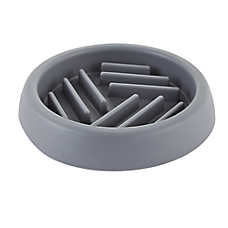
- Try a slow feeder bowl: French Bulldogs often eat fast, partly because of how they breathe. A puzzle feeder or slow feeder bowl can meaningfully reduce gulping and the gas that follows.
- Elevate the food bowl slightly: Some Frenchies do better with a bowl at a comfortable eating height rather than at floor level. This is worth experimenting with if your dog seems to struggle with eating.
- Don’t feed right before exercise: Give your Frenchie at least an hour after meals before any activity. This reduces the risk of bloat and digestive discomfort.
- Fresh water, always: French Bulldogs can dehydrate more quickly in warm weather. Keep water accessible at all times and change it daily.
Skin health and sensitivities
French Bulldogs are a breed with notable skin sensitivities. Allergies, both environmental and food-related, are among the most commonly reported health concerns in the breed.
Environmental allergies (atopy)
If your Frenchie is itching, chewing their paws, rubbing their face, or developing recurring skin infections without an obvious cause, environmental allergies are worth discussing with your vet. Common triggers include grass, pollen, dust mites, and mold spores. Omega-3 fatty acids from fish sources may help support the skin barrier and reduce inflammatory response, though they’re a complement to veterinary treatment rather than a replacement for it.
Food sensitivities
Food allergies and sensitivities are less common than environmental allergies but do occur in French Bulldogs. Signs include chronic itching, digestive upset, recurring ear infections, and skin issues that don’t respond to standard treatment. The only reliable way to diagnose a food allergy is through a structured elimination diet trial under veterinary guidance, typically using a novel protein source (one the dog hasn’t been exposed to before) or a veterinary therapeutic hydrolyzed diet for at least eight to twelve weeks.
If a food sensitivity is suspected, avoid self-diagnosing or switching proteins repeatedly without a plan, as this can complicate the diagnostic process. Talk to your vet first.
Skin fold care
The skin folds on your Frenchie’s face and body need daily attention. Moisture, debris, and bacteria accumulate in the folds and create the conditions for infection. A quick daily check and gentle wipe with a damp cloth or a pet-safe skin fold cleaning product keeps problems from developing. Dry the folds thoroughly after cleaning. This takes about two minutes and is the most impactful daily care habit for the breed.
Exercise
French Bulldogs need daily exercise, but their anatomy sets real parameters on what’s appropriate. Two shorter walks per day, morning and evening to avoid peak heat, with some indoor play in between is a practical routine for most Frenchies.
Watch your dog, not the clock. If your Frenchie slows down, breathes very heavily, or shows any hesitation, that’s the cue to stop and cool down. Always carry water on walks. In summer, early morning and after sunset are the safest windows. For more on summer safety, heat and summer safety tips for dogs.
Mental enrichment is a meaningful component of exercise for Frenchies. Short training sessions, puzzle feeders at mealtime, and interactive play provide engagement without the respiratory demand of sustained physical activity.
Routine care and preventive wellness
- Veterinary visits: Annual exams are the minimum for a healthy adult Frenchie, with semi-annual visits becoming valuable as they age. These should include a breathing evaluation as part of the standard assessment.
- Dental care: Dental disease is common in dogs generally, and small-to-medium breeds are particularly susceptible. Daily toothbrushing is the gold standard, with dental chews as a practical daily supplement. Learn about dental health for dogs.
- Ear cleaning: Check ears weekly for redness, odor, or discharge. French Bulldogs’ bat ears collect debris and should be gently cleaned as needed.
- Nail trims: Every three to four weeks. Overgrown nails change the way a dog distributes their weight and can contribute to posture and joint issues over time.
- Parasite prevention: Year-round flea, tick, and heartworm prevention. Year-round coverage is the standard of care and particularly important for dogs with skin sensitivities, since flea allergy dermatitis can cause severe reactions in sensitive dogs.