Sign up, earn points, get treats
Enable accessibility

Understanding and Managing Dog Anxiety
In this Article
Anxiety in dogs is more common than many pet parents realize. Just like people, dogs can experience stress that shows up in both physical and behavioral ways. Recognizing the signs early and knowing how to respond can make a big difference in your dog’s health and happiness.
What are the signs of anxiety in dogs?
Dogs communicate their emotions through body language and behavior.
Common signs of canine anxiety include:
- Pulled-back ears or a tucked tail
- Excessive drooling or panting
- House elimination despite being trained
- Destructive behavior such as chewing or scratching
- A strong need to stay close to their owner
If these behaviors happen often, your dog may be experiencing separation anxiety or another chronic anxiety issue.
What is separation anxiety?
Separation anxiety occurs when dogs experience disruptive levels of anxiety as a result of being left alone. In extreme cases, dogs may:
- Destroy furniture or doors
- Break out of crates
- Harm themselves trying to escape
- Bark or howl excessively
This condition can be more than just an inconvenience, it can seriously impact your dog’s health and well-being.
What treatments help dog anxiety?
Managing anxiety often requires both professional care and at-home strategies, including:
- Veterinary services: In severe cases, vets may prescribe medications to reduce anxiety.
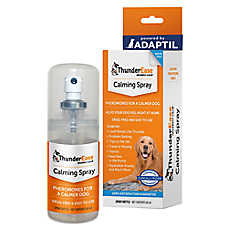
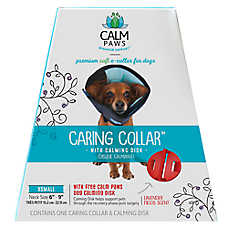
- Calming aids: Diffusers, calming chews, and pressure wraps may help some dogs.
- Behavioral support: Training and routine adjustments reduce stress triggers.
How do desensitization techniques work to fix separation anxiety?
One of the most effective ways to manage anxiety is through desensitization, which teaches dogs not to fear departure cues. Examples include:
- Pick up your keys but don’t leave the house.
- Put on your coat or grab your purse, then sit down instead of walking out.
- Practice short absences and gradually increase the time away.
These small steps reduce your dog’s stress and help them feel more secure when you do leave.
What should you do as the pet parent?
Dogs are very sensitive to their owners’ emotions. Staying calm, consistent, and reassuring can lower your dog’s anxiety. Avoid dramatic goodbyes or greetings, and reward calm behavior to reinforce stability at home.
Frequently Asked Questions (FAQs)
What are the signs of anxiety in dogs?
Common signs include tucked tails, pulled-back ears, drooling, destructive behavior, and excessive clinginess.
What is separation anxiety in dogs?
Separation anxiety occurs when dogs become distressed and destructive when left alone.
Can medication help with canine anxiety?
Yes, in severe cases veterinarians may prescribe medication as part of a treatment plan.
What are desensitization techniques?
These are training methods where dogs are exposed to departure cues (like jingling keys) without the owner leaving, helping reduce anticipatory stress.
How does my behavior affect my dog’s anxiety?
Dogs pick up on their owner’s stress. A calm, steady routine helps reduce anxiety and creates a stable environment for your pet.
Information in this article is not intended to diagnose, treat or cure your pet and is not a substitute for veterinary care provided by a licensed veterinarian. For any medical or health-related advice concerning the care and treatment of your pet, contact your veterinarian.
Shop this article


Related articles