Adopting a Kitten: What to Know, What to Ask and What to Buy First
In this Article
Key takeaways
- Kittens are typically ready for adoption at eight to 12 weeks of age. Adopting before eight weeks is not recommended, as kittens need that time with their mother and littermates for healthy social development
- Schedule a veterinary exam within the first week of bringing your kitten home, even if they received care at the shelter. A vet establishes a health baseline and sets up the vaccination schedule
- Your home needs to be kitten-proofed before your kitten arrives, not after: electrical cords, toxic plants, open washing machines, and small ingestible items are all hazards for a curious eight-week-old
- The most important things to buy before adoption day: food appropriate for kittens, a litter box, unscented litter, a carrier, a scratching post, and a safe space to decompress in
- Give your kitten one room to start. Overwhelming them with a whole house on day one slows the adjustment and makes litter box training harder
Adopting a kitten is one of the more exciting decisions a person can make. Most people are ready for the kitten emotionally well before they’re ready for the kitten practically. This guide is the practical part: what age to adopt, what to ask at the shelter, how to get your home ready, and exactly what to buy before they arrive.
What age should a kitten be when adopted?
Eight to 12 weeks is the standard adoption window for kittens. Eight weeks is typically the earliest age: before this, kittens are still learning critical social behaviors from their mother and littermates, including bite inhibition and how to interact appropriately with other animals.
A kitten between eight and 12 weeks is in the middle of their prime socialization window, meaning new experiences, handling, sounds, and environments are absorbed and processed well. This is the best time to build the foundation for a confident, adaptable adult cat.
What to ask at the shelter or rescue
The adoption conversation is the best opportunity to set yourself up for a smooth transition. Here’s what’s worth asking before you leave:
Health history
- Has the kitten been examined by a veterinarian, and do you have records?
- Are vaccinations current, and which ones have been given so far? (Kittens need a series of vaccines; the shelter’s starting the series doesn’t mean the series is complete)
- Has the kitten been tested for FIV and FeLV (feline immunodeficiency virus and feline leukemia virus)?
- Has the kitten been dewormed and treated for fleas?
- Has the kitten been spayed or neutered, or is there a plan or requirement in place?
Behavioral history
- Has the kitten been around other cats, dogs, or children? How did they respond?
- Are there any known behavioral quirks or sensitivities the staff have observed?
- What food has the kitten been eating, and how often?
- Has the kitten been litter trained? Which type of litter was used?
Matching the litter type and food brand from the shelter, at least initially, reduces digestive upset and litter box confusion during the transition. You can switch gradually once your kitten is settled.
Kitten-proofing your home
A kitten is essentially a small, fast, curious creature with no understanding of danger. Before they arrive, walk through your home with that in mind.
- Electrical cords: Tuck, cover, or secure any accessible cords. Kittens chew, and electrical cord injuries are serious.
- Toxic plants: Lilies are among the most dangerous household plants for cats and are toxic even in small amounts. Common indoor plants including pothos, philodendron, and aloe are also toxic to cats. Remove them from any space your kitten will access. The ASPCA’s toxic plant list is a reliable reference.
- Small ingestible items: Hair ties, rubber bands, small toys, twist ties, and similar items are swallowing hazards. Clear them from floor level.
- Washing machines and dryers: Keep appliance doors closed. Kittens find warm, enclosed spaces appealing.
- Open windows: Screens alone are not always sufficient to contain a kitten. Ensure windows are secure before giving your kitten access to rooms with open windows.
- Hiding spaces: Identify any gaps behind appliances or under furniture where a kitten could get stuck. Block access where possible.
For a full walkthrough, how to kitten-proof your home covers room by room.
What to buy before adoption day
This is the section most people get wrong by overbuying the fun things and underbuying the essentials. Here’s what actually needs to be in place before your kitten comes home.
Must-haves
- Kitten-specific food: Kittens have different nutritional requirements than adult cats. Look for food labeled for kittens or for all life stages. Plan to match the shelter’s food for the first week, then transition gradually to your chosen formula over seven to 10 days. What should I feed my kitten?
- Litter box: At least one litter box per cat, plus one. For a single kitten, that means two boxes. Choose a low-sided box for easy entry at this age. Covered boxes can work but are better introduced once your kitten is comfortable with the concept.
- Unscented, clumping litter: Most kittens adapt more readily to unscented litter. Heavily scented litter can deter use. Match the shelter’s litter type for the first week if possible.
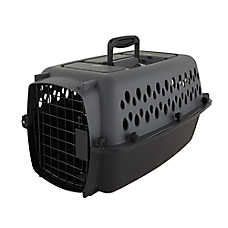
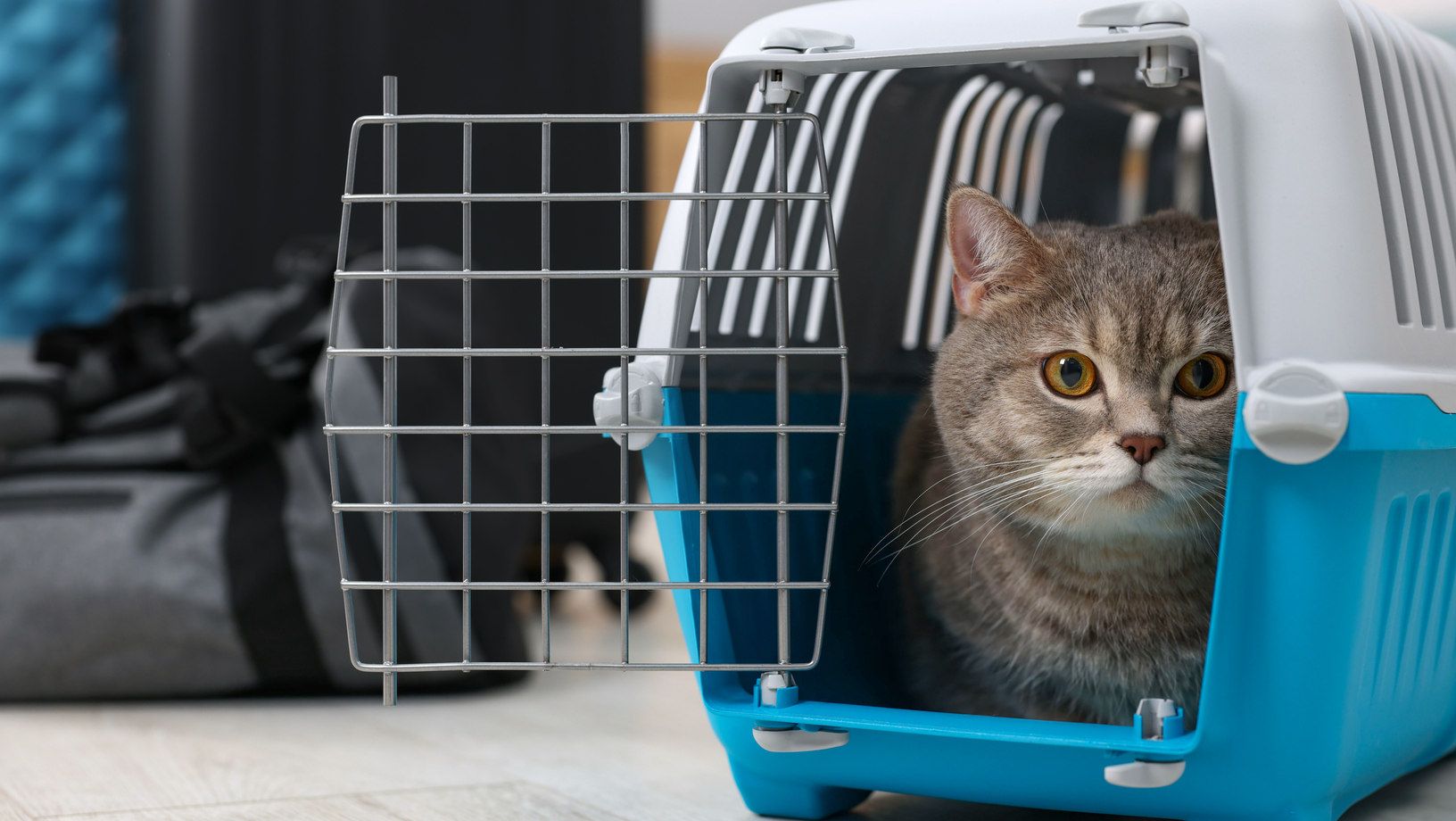
- Carrier: Needed for the trip home and for every vet visit afterward. Leave the carrier out and open at home so your kitten builds a neutral association with it rather than only seeing it before stressful events.
- Scratching post: Kittens scratch. Providing an appropriate outlet before they discover the couch is significantly more effective than redirecting after the fact. How to stop your cat from scratching the furniture
- Food and water bowls: Shallow, wide bowls suit kittens. Some cats prefer their water source separate from their food.
- Collar and ID tag: Even for an indoor kitten, a breakaway collar with an ID tag is important. Kittens can slip out unexpectedly.
Worth having
- Toys: Wand toys, crinkle balls, and toy mice are more engaging for kittens than stationary toys. Interactive play is essential for energy release and bonding.
- A safe room: Set up one room with everything your kitten needs: food, water, a litter box, a hiding spot, and a comfortable resting place. Starting small gives them a manageable territory and makes litter box training more reliable.
- Nail clippers: Start handling paws and trimming nails early. A kitten who gets used to this becomes a much easier adult cat to maintain.
Shop the full range in PetSmart’s Cat Shop or look for a new kitten starter kit to cover the essentials in one purchase.
The first 48 hours
Resist the urge to introduce your kitten to the whole household immediately. Start with the safe room. Let your kitten explore that space on their terms for the first day or two before expanding their access.
Keep things quiet, especially the first night. Visitors, loud parties, and household chaos during the initial adjustment period make it harder for a kitten to settle. They’ll be more playful and exploratory once they feel secure, which usually takes a few days.
Schedule the vet visit within the first week. Even if the shelter provided veterinary care, your vet establishes the ongoing health relationship, reviews vaccination records, sets up the remainder of the vaccination series, and can identify anything that was missed. Cat vaccinations: when should your cat get them? covers what the schedule looks like.