Why Cat Wheels Are Perfect for Active Kitties
In this Article
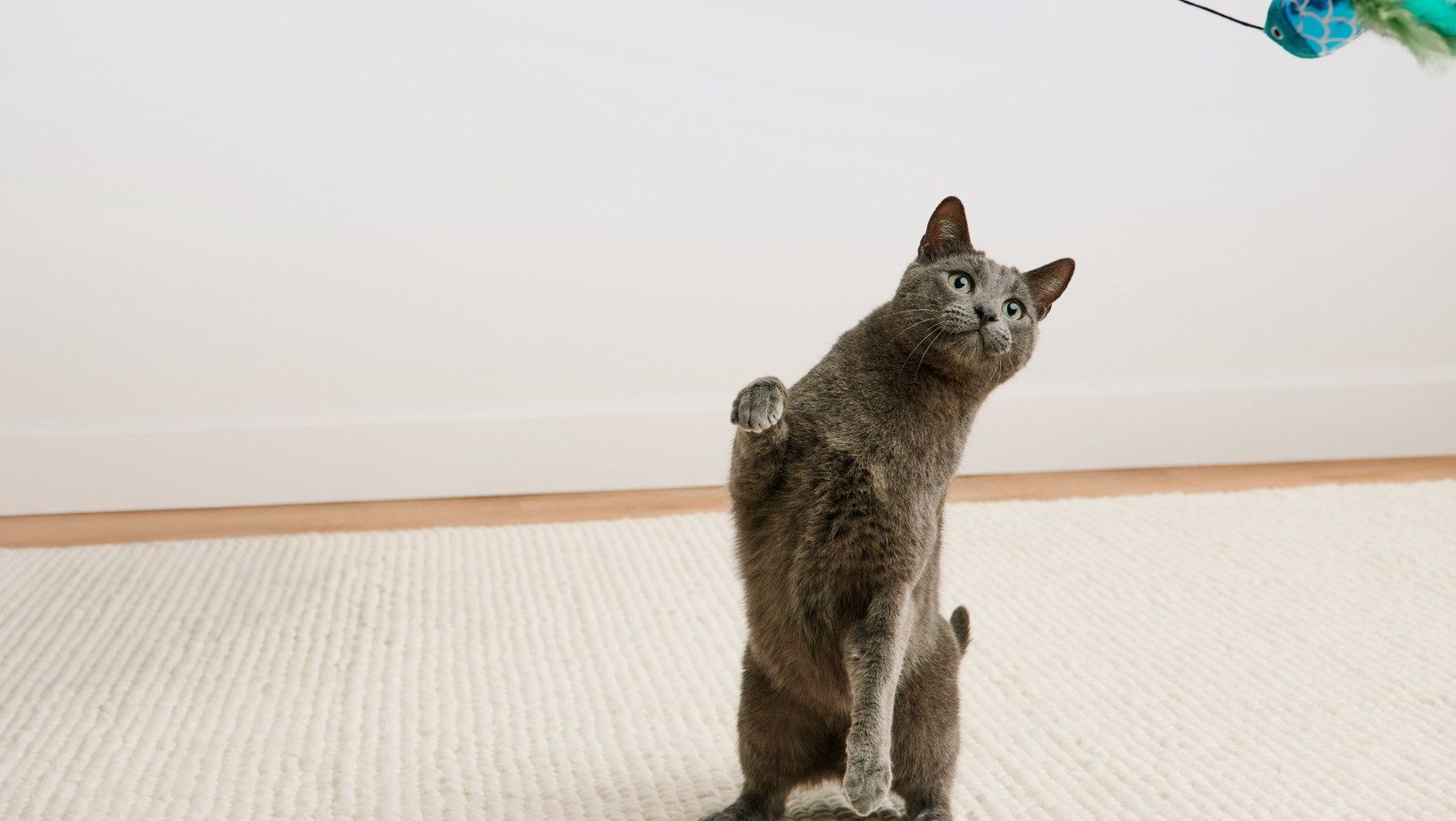
Does your cat zoom around the house at midnight? Sprint from room to room for no apparent reason? Chase imaginary prey with endless enthusiasm? If you're nodding along, you have an active cat who may benefit from additional outlets for all that energy.
Cat wheels offer a unique way for high-energy cats to exercise indoors. These specialized exercise tools give your cat a safe space to run, burn energy, and stay mentally engaged. Whether you're looking for enrichment options or ways to help your active cat feel more relaxed, a cat wheel might be the solution you've been searching for.
Why active cats need exercise outlets
According to the American Veterinary Medical Association, regular physical activity is important for maintaining your cat's overall health and wellbeing. Cats are natural athletes with hunting instincts that drive them to chase, pounce, and run.
Indoor cats may not get enough opportunities to express these natural behaviors. Without proper outlets, that pent-up energy can lead to behaviors like excessive vocalization, scratching furniture, or nighttime activity that disrupts your household.
Providing appropriate exercise options helps your cat stay physically fit and mentally satisfied. Cat wheels offer a dedicated space for your cat to run as much as they need, right in your home.
Health benefits of cat wheels
Regular exercise through activities like running on a cat wheel may help support your cat's physical health in several ways.
Weight management
Maintaining a healthy weight is important for your cat's overall health. Active play and exercise can help cats burn calories and maintain proper body condition.
Cat wheels provide a way for your cat to engage in sustained aerobic activity. This type of exercise may help support healthy weight management when combined with appropriate nutrition.
Cardiovascular health
Running on a cat wheel gets your cat's heart rate up and promotes cardiovascular activity. The American Animal Hospital Association notes that regular physical activity can support normal cardiovascular function in cats.
Muscle tone and joint mobility
The running motion engages multiple muscle groups and encourages joint movement. This type of activity may help support muscle tone and joint flexibility, particularly important as cats age.
Mental enrichment and behavioral benefits
Physical exercise isn't the only benefit of cat wheels. They also provide valuable mental stimulation and can help address certain behavioral concerns.
Reduces boredom
Boredom can lead to destructive behaviors in cats. A cat wheel gives your cat something engaging to do, particularly during times when you're busy or away. This enrichment tool adds variety to your cat's daily routine and provides an outlet for their natural desire to move.
Helps with excess energy
If your cat has bursts of energy at inconvenient times, a cat wheel offers a constructive way to burn it off. Many pet parents notice their cats seem calmer and more relaxed after using the wheel. This can be particularly helpful for cats who disturb the household with nighttime zoomies.
Supports natural instincts
Cats are hardwired to hunt and chase. While cat toys help satisfy this instinct, a cat wheel adds another dimension by allowing sustained running similar to chasing prey in the wild.
Signs to Watch For During Use
While many cats enjoy using a cat wheel, it’s important to monitor your cat during exercise, especially when they’re new to the equipment. If your cat shows signs of distress such as excessive panting, open-mouth breathing, or sudden reluctance to continue, stop the activity immediately.
These signs may indicate that your cat is overexerted or uncomfortable. If symptoms persist or you’re concerned about your cat’s response to exercise, contact your veterinarian right away for guidance.
Which cats benefit most from cat wheels
While any cat can potentially enjoy a cat wheel, certain cats may benefit more than others.
High-energy breeds
Some breeds are known for their athletic nature and high activity levels:
- Bengal cats
- Abyssinian cats
- Siamese cats
- Savannah cats
- Oriental Shorthair cats
These breeds often need more exercise than traditional play sessions can provide. A cat wheel gives them a way to really stretch their legs and run.
Young, playful cats
Kittens and young adult cats naturally have more energy. A cat wheel can help burn off that youthful enthusiasm and may contribute to better sleep patterns for both you and your cat.
Indoor-only cats
Cats who live exclusively indoors may have fewer opportunities for vigorous exercise. A cat wheel brings outdoor-style running activity inside, giving indoor cats a way to engage in more natural movement patterns.
Cats who need weight management support
If your veterinarian has recommended increased activity for weight management, a cat wheel can be part of your strategy. Always consult your veterinarian before starting any new exercise program for cats with health concerns.
Introducing your cat to a cat wheel
Not every cat will immediately understand how to use a cat wheel. Patience and positive reinforcement can help your cat learn to enjoy this new activity.
Start with familiarization
Let your cat explore the wheel at their own pace. Place it in an area where your cat already feels comfortable. You can make it more appealing by adding familiar scents or placing cat treats near or on the wheel.
Use toys to encourage movement
Interactive toys like feather wands can help motivate your cat to step onto the wheel and start moving. As your cat walks or runs after the toy, the wheel's motion may click for them. Keep training sessions short and positive.
Reward progress
Celebrate small steps. If your cat simply sniffs the wheel, that's progress. If they put one paw on it, offer praise and treats. Gradual positive experiences help build your cat's confidence and interest.
Be patient
Some cats take to wheels immediately. Others need weeks or even months to feel comfortable. Every cat learns at their own pace. If your cat seems stressed or uninterested, take a break and try again later.
Finding the right cat wheel
When choosing a cat wheel, consider size, stability, and construction quality. The wheel should be large enough for your cat to run comfortably without an awkward gait.
The PetPals cat wheel available at PetSmart is designed with active cats in mind. It provides a stable platform for running and features construction that can support regular use. You can find this option and explore other cat toys to create an enriching environment for your cat.
Making the most of your cat wheel
Once your cat learns to use the wheel, these tips can help maximize the benefits:
- Create a routine: Try to schedule wheel time at consistent times each day
- Combine with play: Use toys to initiate wheel sessions, especially when introducing the concept
- Monitor duration: Start with short sessions and let your cat build stamina over time
- Keep it accessible: Place the wheel where your cat can use it whenever they want
- Maintain the equipment: Regular cleaning and checking for wear ensures safe use
Signs your cat enjoys the wheel
You'll know the cat wheel is working when you notice:
- Your cat voluntarily uses the wheel without prompting
- They seem more relaxed and content after wheel sessions
- Destructive behaviors decrease
- Nighttime activity levels reduce
- Your cat's body condition improves (when combined with proper nutrition)


