Cat Sneezing: Why It Happens and When to See a Vet
In this Article
Key takeaways
- A sneezing cat isn’t automatically a sick cat, but sneezing that persists for more than a day or two, or sneezing accompanied by discharge, lethargy, or changes in appetite, warrants a veterinary call
- Upper respiratory infections are the most common cause of sneezing in cats, with feline herpesvirus and feline calicivirus being the leading viral culprits
- Household irritants including litter dust, cleaning products, candles, and cigarette smoke are a common and easily addressed cause of sneezing in cats who are otherwise healthy
- Cats who stop eating alongside a respiratory illness need prompt veterinary attention, since food refusal can deteriorate quickly in cats
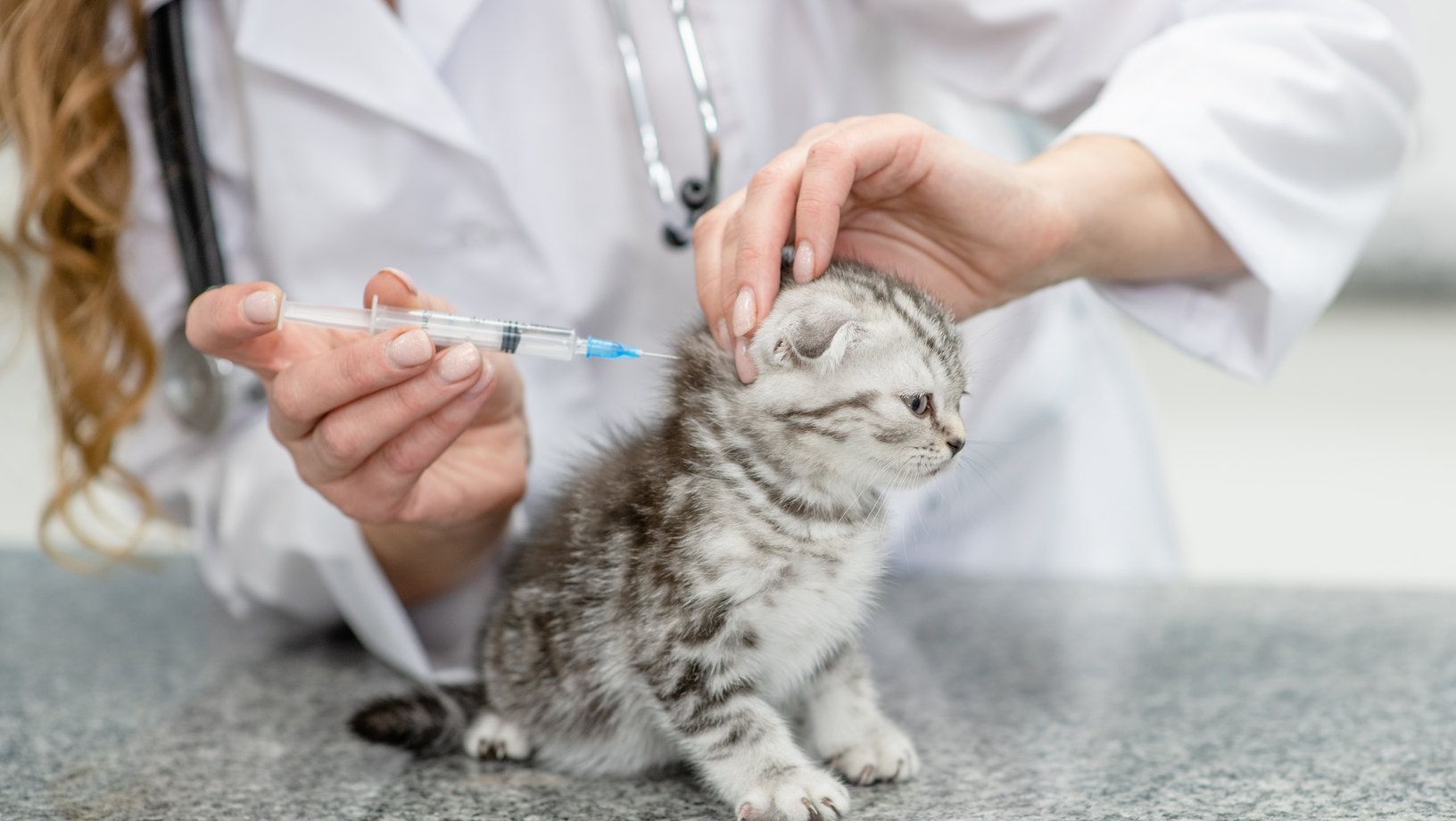
- Vaccination is one of the most effective preventive steps against the viral infections that most commonly cause cat sneezing
A single sneeze from a cat is usually nothing to worry about. Cats sneeze for plenty of mundane reasons, a tickle from dust, a reaction to a scent, a brief nasal irritation that resolves in seconds. The worry comes when sneezing is persistent, when it’s accompanied by discharge or other symptoms, or when your cat seems generally unwell alongside it.
This guide is designed to help you understand what’s most likely going on, what to watch for, and when a vet call moves from optional to important. It’s not a substitute for veterinary evaluation, but it can help you decide when to make that call.
Normal sneezing versus something worth watching
Healthy cats sneeze occasionally. A sneeze or two here and there, with no discharge, no other symptoms, and a cat who is otherwise eating, drinking, and behaving normally, is generally not a cause for concern.
Sneezing worth watching includes:
- Multiple sneezing episodes per day for more than one to two days
- Sneezing paired with nasal or eye discharge, especially if the discharge is thick, colored, or bloody
- Sneezing alongside reduced appetite, lethargy, or hiding behavior
- Sneezing that seems to worsen over time rather than resolve
- Any level of sneezing in a kitten, an elderly cat, or a cat with a known health condition
If you’re unsure, a call to your veterinarian is always a reasonable step. Describing your cat’s symptoms, frequency, and overall energy level helps a professional advise whether and how urgently to come in.
Common causes of cat sneezing
Upper respiratory infections
The most common cause of persistent sneezing in cats is an upper respiratory infection (URI). Feline herpesvirus and feline calicivirus are the two viruses responsible for the majority of feline respiratory infections. These viruses are common within cat populations, spread through direct contact with infected cats and their secretions, and are particularly prevalent in cats who have been in shelters or multi-cat environments.
Symptoms of a feline URI can include sneezing, nasal congestion, watery or thick eye discharge, mild fever, and reduced appetite. In more severe cases, some cats develop mouth ulcers (more common with calicivirus) or other complications. Bacterial organisms including Chlamydia felis, Mycoplasma felis, and Bordetella can also cause respiratory infections in cats, and are sometimes found alongside viral infections.
Most mild URIs in otherwise healthy adult cats resolve with supportive care over one to two weeks. However, veterinary evaluation is still appropriate when signs of respiratory disease appear, as treatment may be needed for more significant infections, and complications can develop without intervention.
Household irritants
A sneezing cat who is otherwise completely well may simply be reacting to something in their environment. Common irritants include:
- Dusty cat litter, particularly clay and clumping varieties
- Scented candles, air fresheners, or incense
- Cleaning products used near the litter box or on floors
- Cigarette or vaping smoke
- Strong perfumes or sprays applied in the home
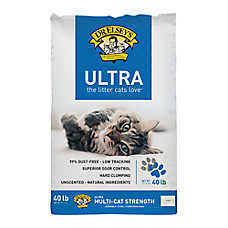
If your cat sneezes primarily after the litter box is changed, after you clean the floors, or when certain products are used, irritant exposure is a likely explanation. Switching to a low-dust, unscented litter, using fragrance-free cleaning products, and improving ventilation may resolve the issue without any veterinary intervention needed.
Allergies
Allergies are less commonly the cause of cat sneezing than people might expect, but they do occur. Environmental allergens like pollen, mold, or dust mites can trigger sneezing in some cats, typically alongside other signs like itchy skin or watery eyes. If your cat’s sneezing follows a seasonal pattern or seems tied to specific environmental conditions, allergies are worth discussing with your vet.
Dental disease
This one surprises many cat parents: the roots of a cat’s upper teeth sit very close to the nasal passages. Advanced dental disease, particularly a tooth root abscess, can cause nasal inflammation and persistent sneezing. If your cat is sneezing without obvious respiratory symptoms but has other signs of dental pain, such as difficulty eating, drooling, or facial sensitivity, a dental evaluation is worthwhile.
Other causes
Less common causes of sneezing in cats include nasal polyps (noncancerous growths in the nasal passage or throat), a foreign body lodged in the nasal passage, fungal infections, and in rare cases, nasal tumors. Persistent one-sided sneezing, sneezing with bloody discharge, or sneezing that doesn’t respond to standard treatment are reasons to pursue further diagnostic investigation with a veterinarian.
Newly vaccinated cats may also sneeze for a day or two after receiving an intranasal vaccine, which is generally a normal, temporary response and not a cause for concern.
Warning signs that require prompt veterinary attention
Contact your vet the same day or seek emergency care if your cat:
- Has stopped eating or is eating very little, particularly for more than 24 hours alongside respiratory symptoms
- Is showing labored or open-mouth breathing
- Has bloody discharge from the nose
- Seems significantly lethargic or unresponsive
- Is a kitten showing any respiratory symptoms, as kittens can deteriorate faster than adults
- Is an immunocompromised or elderly cat with any respiratory signs
Cats who stop eating during a respiratory illness are of particular concern. Unlike dogs, cats can develop a serious liver condition called hepatic lipidosis (fatty liver disease) if they go without adequate food intake for an extended period. A cat who is both sneezing and refusing food warrants prompt attention rather than a wait-and-see approach.
Home care for mild sneezing
For a cat who is sneezing but eating well, drinking normally, alert and active, and has no concerning discharge or other symptoms, a brief period of monitoring at home may be appropriate while you observe whether things improve.
- Reduce environmental irritants: Switch to an unscented, low-dust litter if you haven’t already. Avoid strong scents or sprays in the home temporarily.
- Warm steam: Running a hot shower and letting your cat sit in the steamy bathroom for 10 to 15 minutes can help ease nasal congestion. Avoid putting your cat directly in contact with steam or hot water.
- Encourage eating: Warming your cat’s food slightly and offering highly aromatic options can help maintain appetite when congestion reduces their sense of smell.
- Keep nasal discharge clear: Gently wiping discharge from around the nose with a warm, damp cloth helps keep your cat comfortable.
- Fresh water access: Ensure fresh water is available at all times. Cats with congestion may need encouragement to stay hydrated.
If symptoms don’t begin to improve within a couple of days, or if anything worsens, contact your veterinarian.
What your vet may look for and recommend
When you bring a sneezing cat to the vet, the examination will typically include assessment of the eyes, nose, mouth, and lymph nodes, listening to lung sounds, and evaluation of overall hydration and body condition. In most cases of uncomplicated URI, a definitive diagnosis of the specific pathogen isn’t needed for treatment. Your vet may recommend supportive care alongside medication if bacterial involvement is suspected.
For cats with more persistent or severe sneezing, your vet may recommend swabs to test for specific pathogens, dental x-rays if dental disease is suspected, or further imaging if a structural cause like a polyp or mass is possible. The diagnostic approach is guided by how long symptoms have been present, what other signs are present, and how the cat responds to initial treatment.
Prevention
- Vaccination: Vaccination against feline herpesvirus and feline calicivirus is a core part of preventive cat care and is among the most effective tools for reducing the severity and frequency of upper respiratory infections. Keep your cat’s vaccines current and discuss the schedule with your vet.
- Keep indoor cats indoors: Exposure to infected cats through outdoor contact, boarding, or shelters is how most URIs spread. Cats who live exclusively indoors and have no exposure to other cats have meaningfully lower URI risk.
- Manage stress: Feline herpesvirus can reactivate during periods of stress. Minimizing household stressors, particularly in multi-cat households, may help reduce flare-ups. How to help calm your cat’s anxiety.
- Litter hygiene and air quality: Clean the litter box frequently, choose low-dust litter, and keep household air quality reasonably clear of heavy scents and smoking.
- Annual wellness visits: Regular exams allow your vet to catch dental disease, early infections, or other issues before they become significant respiratory concerns.