
Caring for Senior Pets: Tips for Older Dogs and Cats

In this Article
- Key takeaways
- When does a pet become a senior?
- Why summer is harder on senior pets
- Flea and tick prevention for senior pets
- Senior nutrition: what changes with age
- Supplements for senior pets in summer
- Summer comfort and activity for older pets
- The case for twice-yearly vet visits in the senior years
- Frequently asked questions (FAQs)
Key takeaways
- Senior dogs and cats are more vulnerable to heat, parasites, and physical stress in summer than younger pets with the same level of activity
- Flea and tick prevention is year-round essential care, and product selection for senior pets requires extra care, always talk to your vet before choosing or changing a preventive
- Older pets have changing nutritional needs: senior dogs often benefit from lighter, easily digestible formulas, while senior cats may actually need more protein to maintain muscle mass
- Joint discomfort is one of the most common senior pet issues, and summer heat can compound mobility challenges by reducing tolerance for activity
- Senior pets benefit from twice-yearly vet exams, not just annual ones, to catch age-related changes early
- Small adjustments to walk timing, hydration, resting surfaces, and activity level make a meaningful difference in summer comfort for older pets
Senior pets are, by almost any measure, the most rewarding animals to live with. They’re settled, they know you, and they have a way of showing affection that younger pets are still figuring out. They also need more from you in summer, quietly and without much complaint.
Older dogs and cats are more vulnerable to heat stress, parasites, joint discomfort, and the effects of too much activity at the wrong time of day. The good news is that summer care for senior pets isn’t complicated. It’s mostly about awareness and consistency across a handful of important areas.
When does a pet become a senior?
There’s no single age that applies to every dog or cat. For dogs, senior status generally corresponds to the last 25% of estimated lifespan, which means large and giant breeds may reach this stage as early as seven or eight years old, while small breeds often don’t enter their senior years until 11 or 12. For cats, senior status typically begins around age 10.
Senior pets make up roughly 44% of the pet population, and their needs differ from younger animals in ways that matter especially during the heat and increased outdoor activity of summer. If you’re not sure whether your dog or cat qualifies as senior, your veterinarian can give you a clear picture based on their breed, size, and overall health status.
Why summer is harder on senior pets
The same warm weather that brings more outdoor time for active young pets creates a more complex picture for older animals.
- Reduced heat tolerance: Older pets often have underlying health conditions, including heart disease, kidney disease, and respiratory issues, that reduce their ability to regulate body temperature. A senior dog with an existing heart murmur is at greater risk during an afternoon walk than a young, healthy dog doing the same route.
- Greater parasite exposure: Summer brings peak flea and tick activity, and older pets who spend time outdoors face the same parasite pressure as younger ones. The difference is that immune function can become less robust with age, making the consequences of infestation or tick-borne illness more serious.
- Joint discomfort and heat: Arthritis is one of the most common senior pet conditions. Heat doesn’t directly worsen joint disease, but reduced activity tolerance from heat stress can compound the reduced mobility that seniors are already managing.
- Dehydration risk: Senior pets, particularly cats, are at elevated risk of dehydration. Kidney function can decline with age, and cats in particular don’t always drink enough water voluntarily. Summer heat raises the stakes.
None of these mean your senior pet can’t enjoy summer. It means summer requires a bit more intention.
Flea and tick prevention for senior pets
Year-round flea and tick prevention is important for all dogs and cats, but it deserves particular attention in summer when flea and tick populations peak. The AVMA specifically cautions that product selection for older pets should involve veterinary guidance, noting that some flea and tick products should not be used on very old pets and that any spot-on, collar, or oral preventive should be discussed with a vet when the dog or cat is elderly, on medications, or managing existing health conditions.
For a deeper look at flea prevention for dogs and cats specifically, dog flea prevention and how to get rid of cat fleas cover the full picture. And for tick-specific guidance, tick removal and prevention tips is worth bookmarking for summer.
Senior nutrition: what changes with age
Nutritional needs shift meaningfully as pets age, and summer is a good time to assess whether your senior pet’s diet is still serving them well.
Senior dogs
Maintenance energy requirements generally decrease over a dog’s lifetime, which means many senior dogs need fewer calories than they consumed as adults. Weight gain is more common in senior dogs, and excess weight worsens joint disease and reduces heat tolerance. A formula specifically developed for senior or mature dogs often has a calorie level and nutrient profile better matched to these changing needs.
Digestibility also matters. Adding moisture to food has been shown to improve nutrient digestibility in older dogs, which is why many senior dogs do well with wet food or a mix of wet and dry. If your senior dog seems to be maintaining or losing muscle despite adequate food intake, that’s worth discussing with your vet, as protein quality and quantity play a role. More on managing weight and nutrition at how to manage your dog’s weight.
Senior cats
Cats who seem to be losing weight despite eating normally, or who are less interested in food in summer heat, are worth a veterinary visit. Unexplained weight loss in an older cat often points to an underlying condition that’s worth identifying early.
Supplements for senior pets in summer
Supplements aren’t necessary for every senior pet, but several categories are particularly well-suited to the needs of older dogs and cats. Always discuss new supplements with your veterinarian before starting, especially if your pet is on any medications.
- Joint support: Glucosamine, chondroitin, and fish oil (omega-3 fatty acids) are among the most commonly used supplements for senior pets. Fish oil in particular has a meaningful body of research supporting its role in maintaining normal joint function and mobility. For dogs specifically, a guide to supporting your dog’s hip and joint health covers what to look for and how weight management plays alongside supplementation.
- Skin and coat support: Omega-3 fatty acids from fish oil support normal skin function and coat condition, which can become more of a concern as pets age and skin changes.
- Digestive support: Probiotics may help maintain normal gut flora, particularly useful for older pets whose digestive efficiency may have changed or who are on medications.
- Antioxidant and immune support: Some senior-formulated supplements include antioxidants that may help support normal immune function as pets age.
For a broader overview of what supplements can and can’t do, does my dog need supplements? is a practical starting point for dog owners. Your vet can advise on what makes sense for your specific senior pet.
Summer comfort and activity for older pets
Walk timing and exercise modification
The guidance for senior pets in summer heat mirrors what applies to all dogs, but the stakes are higher. Keep walks and outdoor activity to early morning and evening hours when temperatures are cooler. Shorter, more frequent outings tend to suit older pets better than longer, less frequent ones. A senior dog who could walk an hour at 65 degrees may need significantly shorter sessions in 85-degree afternoon heat.
The same principles apply to cats who have access to an outdoor enclosure or yard. During peak heat hours, indoor rest in a cool, shaded space is the right call for senior cats.
For full summer safety guidance, heat and summer safety tips for dogs and keeping your dog cool when the temperatures rise cover the practical details.
Hydration
Senior pets, especially cats, may not drink enough water independently. In summer, the dehydration risk increases. Keep multiple water bowls in accessible locations around the home. For cats, a water fountain often increases intake because the movement and freshness is more appealing than still water. Wet food or broth added to dry food contributes meaningful moisture to a senior cat’s daily intake.
For dogs on outdoor walks, bring a portable water bowl and offer water frequently, particularly after any activity. Signs of dehydration in dogs include dry gums, loss of skin elasticity, and lethargy.
Resting surfaces and mobility support
Hot summer floors, particularly hard surfaces like tile, can be uncomfortable for senior pets with arthritis. A well-cushioned, supportive bed placed in a cool part of the home gives older pets a dedicated resting spot that’s easier on joints than hard floors. Orthopedic foam beds are specifically designed for this purpose.
Ramps and steps near furniture or access points your senior pet uses regularly reduce joint stress from jumping. These become especially worthwhile in summer when any additional strain on stiff joints is worth minimizing.
Paw care
Hot pavement remains a concern for senior dogs, whose paw pads may be more sensitive and who may be slower to signal discomfort. Apply the five-second hand test before walks: if the pavement is too hot for your hand, it’s too hot for their paws. Walk on grass where possible, and check paws after any outdoor time for redness or signs of heat damage.
The case for twice-yearly vet visits in the senior years
Annual wellness exams are the baseline for adult pets. For senior dogs and cats, every six months is the recommendation. Conditions common in older pets, including kidney disease, dental disease, thyroid issues, and heart changes, often progress between annual visits in ways that wouldn’t be detected without routine testing. Catching these earlier means more options for management and better outcomes.
Summer is a practical time to schedule one of those visits if you’re overdue. It’s also an opportunity to confirm your senior pet’s flea and tick prevention is appropriate for their current age, weight, and health status, and to get any new supplement additions reviewed by your vet before adding them to the routine.
Frequently asked questions (FAQs)
Is my senior pet too old for flea and tick prevention?
No, but the product should be selected with your vet’s input. Older pets still need protection from fleas and ticks, and the risks from infestation and tick-borne disease don’t decrease with age. What matters is choosing a product appropriate for your pet’s current health status, weight, and any medications they’re taking. Your vet can recommend the safest and most effective option.
My senior dog has always tolerated summer well. Should I be concerned now that they’re older?
A dog’s heat tolerance can decrease gradually as they age, and the change often isn’t dramatic enough to be obvious until it becomes a problem. Health conditions that are common in older dogs, including reduced kidney and heart function, affect the body’s ability to manage heat stress. It’s worth building more conservative summer habits, particularly around walk timing and duration, even if your dog hasn’t shown obvious signs of struggling.
My senior cat has lost weight but seems fine otherwise. Is that normal?
Weight loss in senior cats is common but worth investigating with a veterinarian rather than accepting as simply “part of aging.” While some lean mass loss is expected with age, unexplained weight loss can signal other conditions that are very manageable when caught early. A vet visit and basic bloodwork can usually clarify the picture.
Should I switch my senior pet to a senior-formula food?
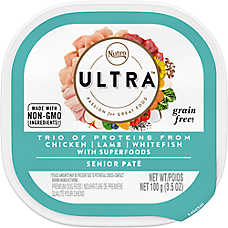
It depends on the pet and their individual health needs, but many senior pets benefit from a senior-formula diet. Senior dog and cat foods are often designed to support aging pets with adjusted calorie levels, targeted nutrients, and ingredients that may be easier to digest or support healthy aging. Your veterinarian can evaluate your pet’s body condition, activity level, and overall health to recommend whether switching to a senior formula makes sense and which option is best for them.
What supplements are most useful for an older dog or cat?
Fish oil (for joint and skin support) and joint supplements including glucosamine and chondroitin are among the most commonly used and have reasonable supporting evidence for dogs. For cats, omega-3 fatty acids and digestive probiotics are frequently used. Any supplement addition should be discussed with your vet, particularly for senior pets on other medications, since interactions are possible.
Information in this article is not intended to diagnose, treat or cure your pet and is not a substitute for veterinary care provided by a licensed veterinarian. For any medical or health-related advice concerning the care and treatment of your pet, contact your veterinarian.
In this Article
- Key takeaways
- When does a pet become a senior?
- Why summer is harder on senior pets
- Flea and tick prevention for senior pets
- Senior nutrition: what changes with age
- Supplements for senior pets in summer
- Summer comfort and activity for older pets
- The case for twice-yearly vet visits in the senior years
- Frequently asked questions (FAQs)