
Dog Ear Cleaning: How to Prevent Infections and Keep Your Dog Healthy
In this Article
- Why cleaning your dog’s ears is important
- Partnering with a professional groomer
- How to clean your dog’s ears at home
- How often should you clean your dog’s ears?
- Recognizing signs of ear infections
- Veterinary care for ear infections
- Preventive tips for long-term ear health
- Frequently Asked Questions (FAQs)
Your dog’s ear health is a big part of their overall wellness, but it often only gets attention when there is a problem. Dogs have ear canals that trap moisture more easily than human ears. That extra warmth and moisture can lead to wax buildup, irritation, and ear infections if you do not stay ahead of it.
When you know how to clean your dog’s ears safely, watch for early warning signs, and keep up with preventive care, you lower the risk of painful, recurring ear infections and help your dog stay comfortable.
Why cleaning your dog’s ears is important
Ear infections are among the most common reasons dogs visit the veterinarian. Veterinary research shows that bacteria, yeast, parasites, allergies, and moisture are frequent contributors to ear inflammation. Dogs with floppy ears, narrow ear canals, allergies, or frequent exposure to water are at higher risk for ear problems.
Regular dog ear cleaning helps you:
- Reduce the buildup of wax, debris, and moisture
- Lower the risk of bacterial and yeast infections
- Prevent irritation and inflammation of the ear canal
- Improve comfort and reduce behaviors such as scratching or head shaking
Staying on top of routine ear care makes it easier to notice small changes before they turn into a serious dog ear infection that needs treatment.
Partnering with a professional groomer
Professional groomers play an important role in maintaining ear health, particularly for dogs with thick ear hair or breeds predisposed to ear issues. Groomers are trained to observe signs of irritation, buildup, or abnormal odor that may indicate early problems. Veterinary guidance often emphasizes that grooming and veterinary care work best when combined as part of a preventive health routine.
Professional groomers can:
- Inspect the ear canal for redness, odor, or excessive wax
- Trim ear hair to improve airflow and reduce moisture retention
- Clean the outer ear safely using appropriate tools and products
- Provide guidance on maintaining ear hygiene between grooming visits
Regular grooming appointments can help identify potential concerns early and support long-term ear health.
How to clean your dog’s ears at home
Cleaning your dog’s ears at home can be safe and effective when done correctly. Veterinary experts recommend gentle techniques and dog-specific products to avoid irritation or injury. Understanding ear anatomy and avoiding overly aggressive cleaning are essential to preventing damage to sensitive ear tissue.
Choosing the right ear cleaner for dogs
Not all ear cleaning products are safe for dogs. Human products may contain alcohol or harsh ingredients that can irritate the ear canal. Veterinary recommendations emphasize using dog-specific ear cleaners designed to dissolve wax while maintaining the ear’s natural balance. When choosing an ear cleaner, consider:
- Products formulated specifically for dogs
- Vet-recommended or clinically tested solutions
- Avoidance of harsh chemicals, alcohol, or fragrances
If you are unsure which product to use, consult your veterinarian before beginning ear cleaning.
Proper cleaning technique
Dogs’ ear canals are delicate, and improper cleaning can worsen irritation or push debris deeper into the ear. Veterinary anatomy research shows that safe ear cleaning focuses on the outer ear and entrance of the canal rather than deep insertion. Follow these safe cleaning practices:
- Never insert cotton swabs or objects deep into the ear canal
- Apply ear cleaner according to product instructions
- Gently massage the base of the ear to loosen debris
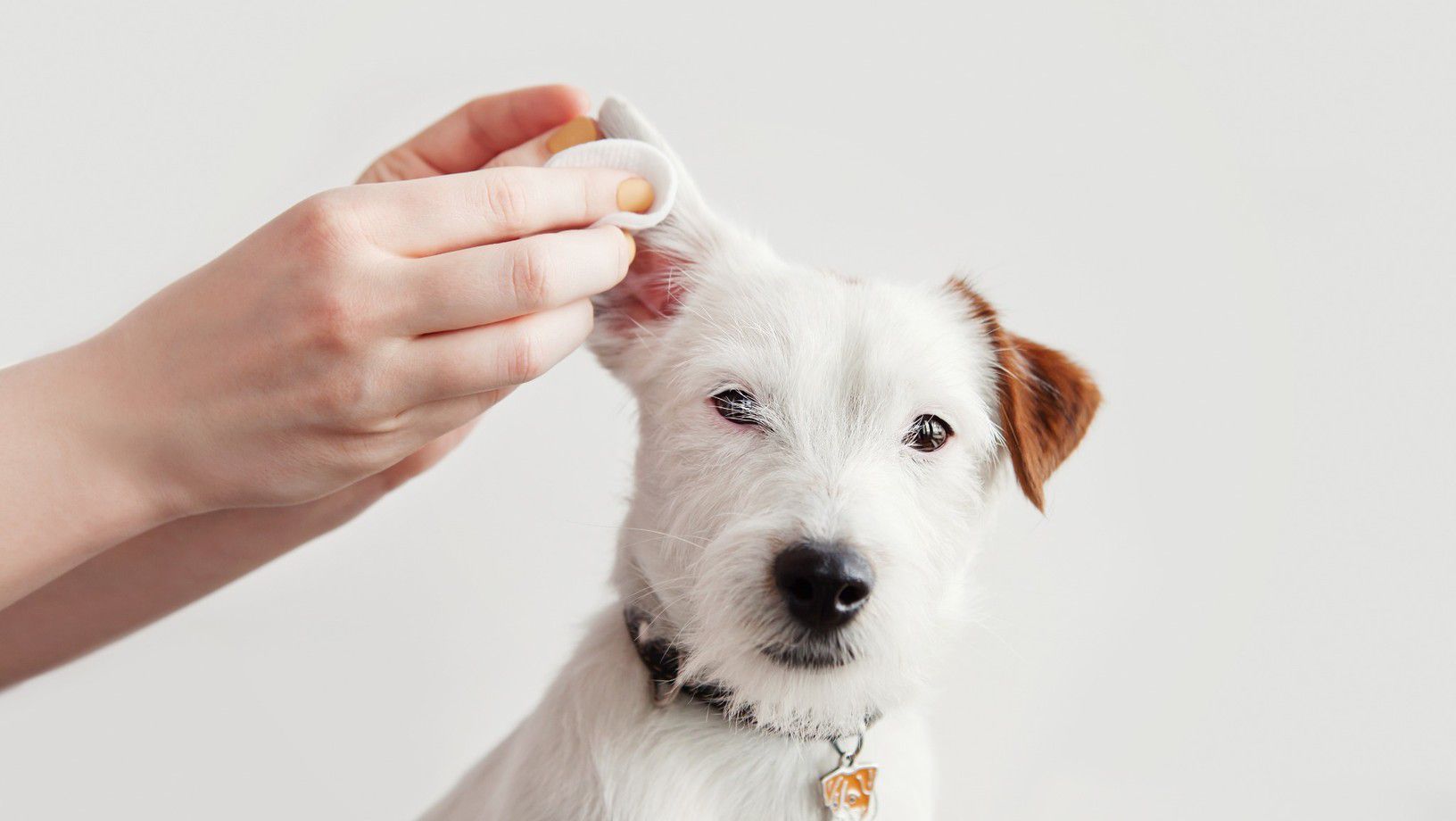
- Wipe the outer ear with a soft cloth or cotton ball
- Allow your dog to shake their head to expel loosened material
Keep sessions calm and use treats and praise so your dog learns that ear cleaning is a normal, positive part of their routine.
How often should you clean your dog’s ears?
The ideal ear cleaning frequency varies based on breed, lifestyle, and health history. Over-cleaning can disrupt the ear’s natural defenses and cause irritation, while under-cleaning can allow debris buildup. Veterinary guidance emphasizes individualized care plans rather than a one-size-fits-all approach.
General guidelines include:
- Clean about once a week for dogs that are prone to ear infections
- Clean less often for dogs with healthy ears and no history of problems
- Increase cleaning after swimming or regular baths if your vet recommends it
- Dogs that swim frequently or have allergies may require more regular ear care.
Recognizing signs of ear infections
Early detection of ear infections is critical to preventing chronic pain and complications. Veterinary research shows that untreated ear infections can spread deeper into the ear canal and may affect balance or hearing. Regular monitoring helps pet parents identify changes early.
Common signs of ear infections include:
- Frequent scratching or rubbing of the ears
- Head shaking or tilting
- Redness or swelling inside the ear
- Unpleasant odor
- Discharge that appears yellow, brown, or green
Veterinary care for ear infections
Ear infections often require professional diagnosis and treatment. Veterinarians use specialized tools to examine the ear canal and determine whether bacteria, yeast, mites, or underlying conditions are present. Different causes require different treatments, making accurate diagnosis essential.
Veterinary care may include:
- Examination of the ear canal using specialized instruments
- Prescription ear medications or oral treatments
- Identification of underlying causes such as allergies or parasites
- Follow-up visits to ensure infection resolution
Prompt treatment helps prevent chronic ear disease and long-term damage to the ear structures.
Preventive tips for long-term ear health
Preventive ear care focuses on reducing moisture, controlling underlying conditions, and maintaining routine monitoring. Veterinary preventive medicine highlights that proactive care significantly reduces the risk of recurring ear infections. Long-term ear health strategies include:
- Maintaining regular grooming and veterinary checkups
- Using vet-approved ear cleaners as part of routine care
- Keeping ears dry after swimming or bathing
- Monitoring ears regularly for changes in appearance or odor
Dogs with allergies or chronic ear issues may benefit from customized prevention plans developed with a veterinarian.
Frequently Asked Questions (FAQs)
How often should I clean my dog’s ears?
The frequency of ear cleaning depends on your dog’s breed, lifestyle, and health history. Many dogs benefit from weekly or biweekly cleaning, while others may need less frequent care. Dogs that swim often or have allergies may require more regular ear cleaning, so it is best to follow your veterinarian’s recommendations.
What causes ear infections in dogs?
Ear infections are commonly caused by bacteria, yeast, parasites, allergies, or excess moisture. Veterinary research shows that underlying conditions, such as food or environmental allergies, often contribute to recurring ear infections. Identifying the root cause is essential for effective treatment.
Can I use household products to clean my dog’s ears?
Most household products are not safe for dog ears and may cause irritation or damage. Veterinary experts recommend using ear cleaners specifically formulated for dogs. If you are unsure which product to use, consult your veterinarian before cleaning your dog’s ears.
Is it normal for my dog to shake their head after ear cleaning?
Yes. Head shaking is a normal response after ear cleaning and helps dislodge loosened debris. However, persistent head shaking or signs of pain may indicate irritation or infection and should be evaluated by a veterinarian.
When should I take my dog to the veterinarian for ear problems?
You should consult a veterinarian if your dog shows signs of infection such as persistent scratching, strong odor, discharge, swelling, or pain. Early veterinary intervention prevents complications and reduces the risk of chronic ear disease.
Information in this article is not intended to diagnose, treat or cure your pet and is not a substitute for veterinary care provided by a licensed veterinarian. For any medical or health-related advice concerning the care and treatment of your pet, contact your veterinarian.
In this Article
- Why cleaning your dog’s ears is important
- Partnering with a professional groomer
- How to clean your dog’s ears at home
- How often should you clean your dog’s ears?
- Recognizing signs of ear infections
- Veterinary care for ear infections
- Preventive tips for long-term ear health
- Frequently Asked Questions (FAQs)