

What is Cat Spray?
In this Article
- Not just a potty break: how cat spray is different from pee
- Why cats spray: from “This is mine” to “I’m ready for love.”
- What’s with the smell?
- How to clean up cat spray (and keep it from happening again)
- Odor and stain prevention: how to keep your cat from spraying
- Is cat spray harmful?
- Frequently Asked Questions (FAQs)
Cats are adorable, graceful and endlessly entertaining. But sometimes, they come with some not-so-adorable habits – like spraying the walls with urine! If you’ve ever been hit with a strong, musky scent after walking into a room, you know how powerful this odorous habit can be. Cat spray is a totally normal feline behavior, but it can definitely be a shock. Luckily, there are plenty of ways to understand it, prevent it and clean it up.
Not just a potty break: how cat spray is different from pee
There are several tell-tale signs that your cat is marking and not just skipping the litter box.
- Posture matters. Cats that are peeing usually squat down low. Cats that are spraying will often stand up straight, back up to a wall or piece of furniture and lift their tail while releasing a small squirt of urine.
- So do the locations. Spraying typically shows up on vertical surfaces like doors and furniture. Peeing accidents are more likely to be on flat horizontal surfaces like floors or rugs.
Knowing the difference between urine and spray can help you figure out what your cat is trying to say.
Why cats spray: from “This is mine” to “I’m ready for love.”
There are lots of reasons cats spray – and no, it’s not to annoy you. Understanding cat spray starts with understanding your cat’s emotions.
- Territorial vibes. Cats spray to say, “This is mine!” It’s a common behavior in multi-cat homes or if your cat sees other animals through the window.
- They’re feeling a little tense. Major life changes, new pets, loud noises or even moving furniture can trigger anxiety. Spraying helps them self-soothe.
- Romantic signals. If your cat isn’t fixed, they might be advertising for love. That goes for both boys and girls.
- Not feeling well. Spraying could actually be a cry for help. Urinary tract infections and other health problems might be to blame.
- Changes to the litter routine. A dirty box, a new location or the wrong kind of litter can turn cats off, causing them to mark elsewhere. If your cat’s spraying, check out some litter box placement and litter box training tips to see if you can make their setup a little more appealing.
- Conflict at home. If pets or people aren’t getting along, spraying can be a way for your cat to stake out their emotional turf.
- Routine shakeups. Cats love consistency. A change in your schedule or theirs might lead to surprise spraying.
- Just plain marking. Spraying isn’t always about stress – sometimes, it’s just about scent-sharing.
What’s with the smell?
Let’s not sugarcoat it: cat spray smells strong. Really strong.
- Musky and unmistakable. Unlike regular pee, cat spray contains pheromones – chemical messages that other cats can smell even if you can’t.
- It lingers. The scent is designed to stick around so other cats get the message loud and clear. Unfortunately, that means you will too.
How to clean up cat spray (and keep it from happening again)
Once your cat sprays, cleaning thoroughly is key. Otherwise, they might come back to the same spot for a repeat performance.
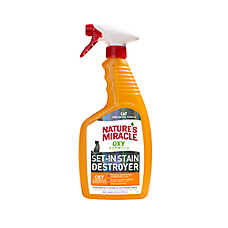
- Reach for an enzymatic cleaner. These special formulas break down the proteins in cat spray and eliminate odors that might invite repeat marking.
- Avoid anything with ammonia. It smells too much like urine and might actually encourage more spraying.
- Wash soft surfaces with vinegar. A rinse in cold water and white vinegar can help eliminate lingering smells before washing again with detergent.
You can also try a cat repellent on sprayed spots to gently discourage future marking.
Odor and stain prevention: how to keep your cat from spraying
The best way to manage cat spray is to prevent it from happening in the first place.
- Spay or neuter your cat. Spaying or neutering your cat greatly reduces the chances of spraying. It helps eliminate the mating urge and can calm territorial instincts.
- Calm your cat’s anxiety. Try using calming diffusers or sprays that mimic feline pheromones. These may help your cat feel more at ease in their space.
- Keep the litter box clean. Cats are picky! Make sure their litter box is scooped daily and located somewhere quiet.
- Stick to a routine. Cats thrive on consistency. Try feeding, playing and cuddling at roughly the same times each day.
- Avoid pet conflicts. If you have multiple cats, make sure they each have their own space, litter box and safe zones.
- Try an automatic litter box. Some cats appreciate a box that’s always fresh, especially if you’re gone during the day.
- Avoid pet conflicts. If you have multiple cats, make sure they each have their own space, safe zones and enough litter boxes. A good rule of thumb is one litter box per cat, plus one extra. For example, two cats should have three litter boxes, and three cats should have four. This can help reduce territorial stress and litter box-related conflicts.
Your cat’s spraying isn’t bad behavior – it’s just communication. And when you know what they need, you can help them feel more secure.
Is cat spray harmful?
While cat spray isn’t dangerous to your health, it can be irritating for allergy sufferers and unpleasant for your furniture.
- It won’t make you sick. Cat spray isn’t toxic or infectious, but it can trigger allergies.
- It can damage surfaces. Left untreated, spray can discolor walls and damage wood or fabric.
If your cat keeps spraying or the smell gets worse, it’s worth checking with your vet to rule out anything serious.
Frequently Asked Questions (FAQs)
So, cat spray: what is it, exactly?
It’s a small amount of pungent urine cats release on vertical surfaces to communicate. It can signal territory, stress or mating behavior.
Is cat spray different than pee?
Yes! Cat spray is more about communication than waste. It’s usually a smaller amount of urine with a stronger scent, and it’s aimed at vertical surfaces.
What is the liquid that cats spray?
It’s a type of urine that contains extra pheromones. These chemicals are like scented messages to other cats.
What exactly is male cat spray?
It’s a marking behavior that’s especially common in unneutered male cats. The liquid they spray is full of strong-smelling hormones.
How do you stop your cat from spraying?
Spay or neuter your cat, keep their litter box clean, reduce stress and use calming aids. You can also make previously sprayed spots less attractive with cat-safe repellents.
What cat sprays?
Any cat can spray, but it’s most common in unneutered males. Females and neutered cats might spray, too, especially in times of stress.
What color is male cat spray?
It usually looks like light yellow urine. It might be hard to see, but the smell is unmistakable.
Why did my cat poop on my bed?
Pooping outside the litter box can be a sign of stress, medical issues or litter box dissatisfaction. Your cat may be feeling anxious or trying to communicate discomfort with their environment. If this happens often, it’s a good idea to talk to your vet and review your litter box setup. You can learn more in this article.
Information in this article is not intended to diagnose, treat or cure your pet and is not a substitute for veterinary care provided by a licensed veterinarian. For any medical or health-related advice concerning the care and treatment of your pet, contact your veterinarian.
In this Article
- Not just a potty break: how cat spray is different from pee
- Why cats spray: from “This is mine” to “I’m ready for love.”
- What’s with the smell?
- How to clean up cat spray (and keep it from happening again)
- Odor and stain prevention: how to keep your cat from spraying
- Is cat spray harmful?
- Frequently Asked Questions (FAQs)
Shop this article
Related articles