Hamster Habitat Setup: Everything You Need

In this Article
- Key takeaways
- What you’ll need: the full supplies list
- Step 1: Choose the right cage
- Step 2: Add deep bedding
- Step 3: Set up the exercise wheel
- Step 4: Add a hideout and nesting area
- Step 5: Set up food and water
- Step 6: Add enrichment
- Where to place the habitat
- Cleaning and maintenance
- Setting up before your hamster comes home
- Frequently asked questions (FAQs)
Key takeaways
- Cage size is the most important decision you’ll make: bigger is always better, and it’s worth checking that any starter habitat provides enough floor space for your hamster species
- Deep bedding, at least six inches, is essential for burrowing, which is a core natural behavior hamsters need to express
- A solid-surface wheel large enough for your hamster’s species is a non-negotiable for their health and nightly exercise
- Hamsters are nocturnal, so place their habitat in a spot that’s quiet during the day and won’t be disturbed at night by household noise
- Spot-clean daily and do a full habitat clean every two to four weeks, replacing all bedding completely
- A starter kit pulls together the essential supplies in one purchase, which simplifies setup for first-time hamster owners
Setting up a hamster habitat well from the start makes a real difference in how your hamster settles in, how healthy they stay, and how much you both enjoy the experience.
A well-designed habitat lets your hamster express natural behaviors: burrowing, running, foraging, and exploring. A poorly designed one leads to stress, boredom, and a hamster that seems perpetually agitated or inactive. The good news is that getting it right isn’t complicated.
This guide walks through every component you need, what to look for, and how to put it all together.
What you’ll need: the full supplies list
- An appropriately sized cage or habitat for your hamster species
- Paper-based or other suitable bedding (at least six inches deep)
- A solid-surface exercise wheel sized for your hamster
- A hideout or nesting house
- A water bottle with a sipper tube, or a shallow water bowl
- A food bowl
- Species-appropriate hamster food mix
- Enrichment items: tunnels, chew toys, platforms, or a sand bath
- A small scoop for spot-cleaning
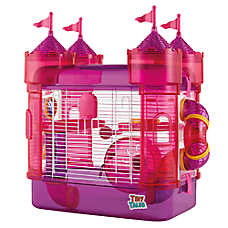
Many of these come together in hamster cage accessories and starter kit bundles, which simplify the initial purchase.
Step 1: Choose the right cage
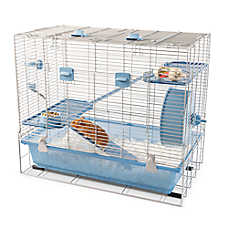
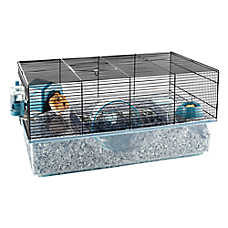
Cage size is the single most impactful decision in hamster habitat setup, and it’s where many first-time owners get tripped up. Many cages marketed and packaged specifically for hamsters are smaller than what hamsters actually need to thrive. A hamster in too-small a space will often show stereotypic behaviors like repetitive bar-chewing or pacing, which are signs of chronic stress.
The minimum recommended floor space for a Syrian hamster (the most common species, also called golden hamsters) is about 40 inches by 20 inches (approximately 800 square inches). Dwarf hamster species, including Roborovski, Campbell’s, and Russian winter white hamsters, can do well in somewhat smaller enclosures, though 350 to 450 square inches of uninterrupted floor space is generally considered a good minimum starting point. Regardless of species, bigger is always better when it comes to hamster habitats.
Cage types
- Wire cages with a solid base: Good ventilation and easy to attach accessories. Make sure bar spacing is narrow enough that your hamster can’t fit through or get stuck, no more than half an inch for Syrian hamsters and less for dwarf species.
- Glass tanks or terrariums: Excellent for deep bedding and visibility. They retain humidity better than wire cages, which can be an advantage in dry climates. Make sure ventilation is adequate with a mesh lid.
- Modular or bin cage conversions: Large plastic storage bins with ventilation cut into the lid are a popular choice among experienced hamster keepers because they’re inexpensive, lightweight, and easily achieve the minimum footprint. Commercial bin cage kits are also available.
Whatever style you choose, avoid multi-level cages with tall vertical drops between levels. Hamsters have poor depth perception and can fall and injure themselves. Horizontal floor space matters far more than vertical levels for a hamster.
Step 2: Add deep bedding
Burrowing is one of the most important natural behaviors for hamsters, and they can’t do it properly without enough bedding depth. Six inches is the recommended minimum; many experienced hamster keepers provide eight to twelve inches in at least part of the cage, which allows for the multi-chamber tunnel systems hamsters naturally create.
Bedding types
- Paper-based bedding: The most widely recommended option. It’s soft, absorbent, dust-reduced, and holds burrow tunnels well without collapsing immediately. Available in unscented varieties, which are preferable since hamsters have sensitive respiratory systems.
- Hemp bedding: A natural, renewable alternative that compacts well for burrowing and is highly absorbent. Generally well tolerated by hamsters.
- Coconut fiber: Good for humidity retention and compaction, often used as a burrowing layer beneath a softer paper layer.
Avoid cedar or pine wood shavings, which contain aromatic oils that can irritate hamsters’ respiratory tracts. Also avoid fluffy or cotton-fiber bedding, often sold as “nesting material,” which can wrap around limbs or be ingested and cause blockages.
Once the bedding is in, give it a gentle pack-down in one area of the cage to encourage your hamster to start their first burrow there. Leave the rest looser for exploration.
Step 3: Set up the exercise wheel
Hamsters run several miles per night in the wild, and an exercise wheel is one of the most essential items in their habitat. A hamster without adequate running opportunity is more likely to show stress behaviors and weight-related health issues.
Wheel requirements
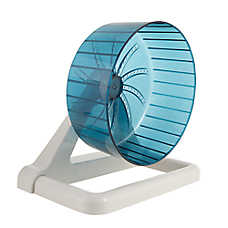
- Solid running surface: This is non-negotiable. Wire or mesh wheels cause injuries to hamster feet and legs. Only use wheels with a solid, continuous running surface.
- Appropriate size: Syrian hamsters need a wheel at least 10 to 11 inches in diameter. A wheel that’s too small forces a hamster to arch their back while running, which causes spinal stress over time. Dwarf hamsters can use an 8-inch wheel. If in doubt, go bigger.
- Silent or low-noise: Hamsters run most actively at night. A squeaky wheel in a bedroom disrupts sleep for everyone. Silent spinner-style wheels are widely available and worth the upgrade.
Position the wheel so it stands freely on the cage floor without tipping. Some attach to the cage wall, which is also fine as long as the running surface is at floor level rather than elevated.
Step 4: Add a hideout and nesting area
Hamsters are prey animals and need a private, enclosed space where they feel secure enough to sleep. Without a dedicated hideout, hamsters often become more stressed and less willing to come out and explore during their active hours.
A wooden or ceramic house with a small entrance hole works well. Avoid plastic hideouts with very smooth surfaces if your hamster tends to chew, since they may ingest plastic fragments. This caution also applies to some plastic enclosures, including certain bin-style habitats. Some hamsters are persistent chewers and may eventually damage plastic surfaces enough to create escape routes, so it’s important to check habitats regularly for signs of wear. Wooden hides also give your hamster a safe chewing outlet.
Place a small amount of paper-based nesting material or unscented tissue inside the hideout to help your hamster build a nest. Hamsters are meticulous about their sleeping area and will customize it to their preference, pulling in pieces of bedding and moving items around.
Position the hideout in a corner or against one side of the cage rather than in the middle, which feels more sheltered and secure to a hamster.
Step 5: Set up food and water
Water
A sipper bottle attached to the cage wall is the most common water delivery method. It keeps water clean and uncontaminated by bedding, and most hamsters adapt to using one quickly. Make sure it’s functioning before your hamster arrives: hold it upside-down and check that water drips when the ball bearing is touched.
A heavy ceramic or glass water dish is an alternative that some hamsters prefer. If using a bowl, it needs to be shallow enough that your hamster can’t fall in, and it will need more frequent refreshing since bedding and food will get into it.
Change water daily regardless of which delivery method you use.
Food and feeding
A hamster-specific food mix that includes seeds, grains, and pellets provides a varied diet that is more nutritious and enriching than a pellet-only approach. Scatter a small amount across the bedding surface rather than putting everything in the bowl. Foraging for food is a natural behavior that keeps hamsters mentally engaged.
Fresh vegetables can be offered in small amounts a few times per week. Good options include cucumber, broccoli, leafy greens, and bell pepper. Avoid citrus, onion, garlic, and anything with high water content in large amounts, which can cause diarrhea. Remove any uneaten fresh food within a few hours to prevent spoilage.
Don’t be alarmed if your hamster seems to eat very little from the bowl. Hamsters use their cheek pouches to carry food back to a cache in their burrow. You’ll often find a stash of food in their nesting area, which is completely normal behavior.
Step 6: Add enrichment
Enrichment gives your hamster mental stimulation and physical activity beyond the wheel. Hamsters are curious and active animals, and a habitat with variety holds their interest and reduces boredom-related stress behaviors.
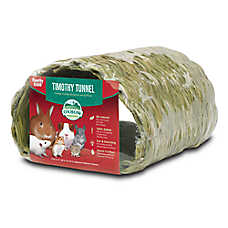
- Tunnels and tubes: Mimic underground burrow systems. Hamsters use them enthusiastically and will often incorporate them into their sleeping arrangement.
- Chew toys: Wooden chews, natural branches (untreated apple or willow), and pumice blocks help maintain dental health. Hamster teeth grow continuously and need to be worn down.
- Sand bath: A shallow dish of reptile-safe play sand or chinchilla sand, not dust, gives your hamster a place to roll and groom themselves. This is an important hygiene behavior for hamsters. Avoid using bathing dust, which can damage their respiratory tract.
- Platforms or climbing structures: Low-level platforms add dimension to the habitat without creating dangerous height. Cork rounds, flat wooden pieces, and hamster-safe logs all work.
- Scatter feeding: Hiding some of your hamster’s daily food in the bedding encourages foraging and extends the time they spend actively exploring.
You don’t need to include everything at once. Rotate enrichment items every few weeks to maintain novelty and keep your hamster’s environment feeling fresh.
Where to place the habitat
Location matters more than many new hamster owners realize. Hamsters are nocturnal and sensitive to disturbance during their daytime sleep. A poor placement can result in a chronically stressed hamster that’s difficult to tame.
- Away from direct sunlight: Overheating is a real risk. Never place the habitat near a window where sun falls on it directly.
- Stable temperature: Hamsters do well between about 65 and 75 degrees Fahrenheit. Avoid placement near heating or air conditioning vents, which cause rapid temperature swings.
- Low foot traffic during the day: A quiet, low-traffic room or unoccupied bedroom is ideal. Since hamsters are most active overnight, placing the habitat in a room where people sleep may lead to disruptions for both the hamster and humans.
- Away from other pets: Even through cage bars, the presence and scent of cats or dogs can cause ongoing stress for a hamster. Keep the habitat in a room that predator species don’t access regularly.
- Stable surface: The cage should sit on a flat, stable surface where it won’t be bumped or knocked. Vibration and sudden movement are stressful.
Cleaning and maintenance
Daily spot-cleaning
Each day, remove soiled bedding from the corner your hamster uses as a bathroom (hamsters tend to choose one consistent spot), refresh water, and remove any uneaten fresh food. This keeps the habitat hygienic between full cleans without disrupting the bedding structure and burrow tunnels your hamster has built.
Full habitat clean
Every two to four weeks, do a complete clean: remove all bedding, wash the cage and all accessories with warm water and a mild, pet-safe soap, dry thoroughly, and refill with fresh bedding. Don’t use bleach or heavily scented cleaners.
Save a small handful of used bedding from the cleanest corner of the habitat and add it to the new bedding. This preserves your hamster’s scent, which reduces the stress of returning to a completely unfamiliar environment. Your hamster will still re-establish their burrow and nesting area, but the familiar scent makes the transition less abrupt.
Full cleans don’t need to happen more often than every two weeks for a single hamster in an appropriately sized habitat with adequate bedding depth. Cleaning too frequently removes the scent markers and burrow structure your hamster has worked to create, which can cause repeated stress.
Setting up before your hamster comes home
Have the habitat fully set up, including water running and food in place, before you bring your hamster home. The first 24 to 48 hours in a new environment are the most stressful, and your hamster needs immediate access to everything they need without waiting for you to get organized.
Once your hamster is home, resist the urge to handle them immediately. Give them 24 to 48 hours to explore their new habitat, find the food and water, and begin establishing their burrow. You’ll hear them most active overnight. After that initial settling-in period, you can begin taming sessions: offering your hand near the entrance of the cage with a small treat and letting your hamster approach at their own pace.
For a broader overview of hamster care beyond habitat setup, the full hamster care guide covers diet, handling, health, and lifespan in more detail.
Frequently asked questions (FAQs)
What size cage does a hamster really need?
The minimum recommended floor space for a Syrian hamster is about 40 by 20 inches (around 800 square inches). Dwarf hamsters generally need at least 350–450 square inches of uninterrupted floor space, though more room is always better. Many cages marketed for hamsters fall below these recommendations, so it’s worth checking dimensions carefully before purchasing.
How deep should the bedding be?
At least six inches throughout the cage, with more in at least one area if possible. Burrowing is a core behavioral need for hamsters, and insufficient bedding depth is one of the most common causes of stereotypic stress behaviors like repetitive bar-chewing.
Can hamsters use a ball for exercise?
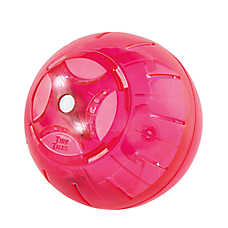
Exercise balls are controversial in the hamster community. They can cause disorientation, overheating, and injury if the hamster can’t stop voluntarily. A sufficiently large wheel is a safer and more natural exercise option. If you choose to use a ball, limit sessions to no more than 10 minutes and supervise throughout.
Why is my hamster only active at night?
Hamsters are nocturnal, which means they naturally sleep through most of the day and become active in the evening and overnight. This is normal behavior, not a sign that anything is wrong. If your hamster is active during the day and seems distressed, that can sometimes indicate the environment is too noisy or the temperature is off.
How do I know if my hamster is stressed?
Common signs include repetitive behaviors like bar-chewing or running in circles outside the wheel, hiding constantly without venturing out even during active hours, excessive grooming or no grooming at all, and weight loss. If the habitat is appropriately sized, has deep bedding, a proper wheel, and is located quietly, most stress behaviors resolve. If they persist, consult an exotic animal veterinarian.
Do hamsters need a companion?
Most hamster species are solitary and should be housed alone. Syrian hamsters are territorial and will fight if housed together. Some dwarf species can coexist in same-sex pairs if introduced young and given enough space, but even dwarf hamsters often do better alone. Check the specific requirements for your hamster’s species before adding a companion.
Information in this article is not intended to diagnose, treat or cure your pet and is not a substitute for veterinary care provided by a licensed veterinarian. For any medical or health-related advice concerning the care and treatment of your pet, contact your veterinarian.
In this Article
- Key takeaways
- What you’ll need: the full supplies list
- Step 1: Choose the right cage
- Step 2: Add deep bedding
- Step 3: Set up the exercise wheel
- Step 4: Add a hideout and nesting area
- Step 5: Set up food and water
- Step 6: Add enrichment
- Where to place the habitat
- Cleaning and maintenance
- Setting up before your hamster comes home
- Frequently asked questions (FAQs)