Sign up, earn points, get treats
Enable accessibility

Guinea Pig Care Guide
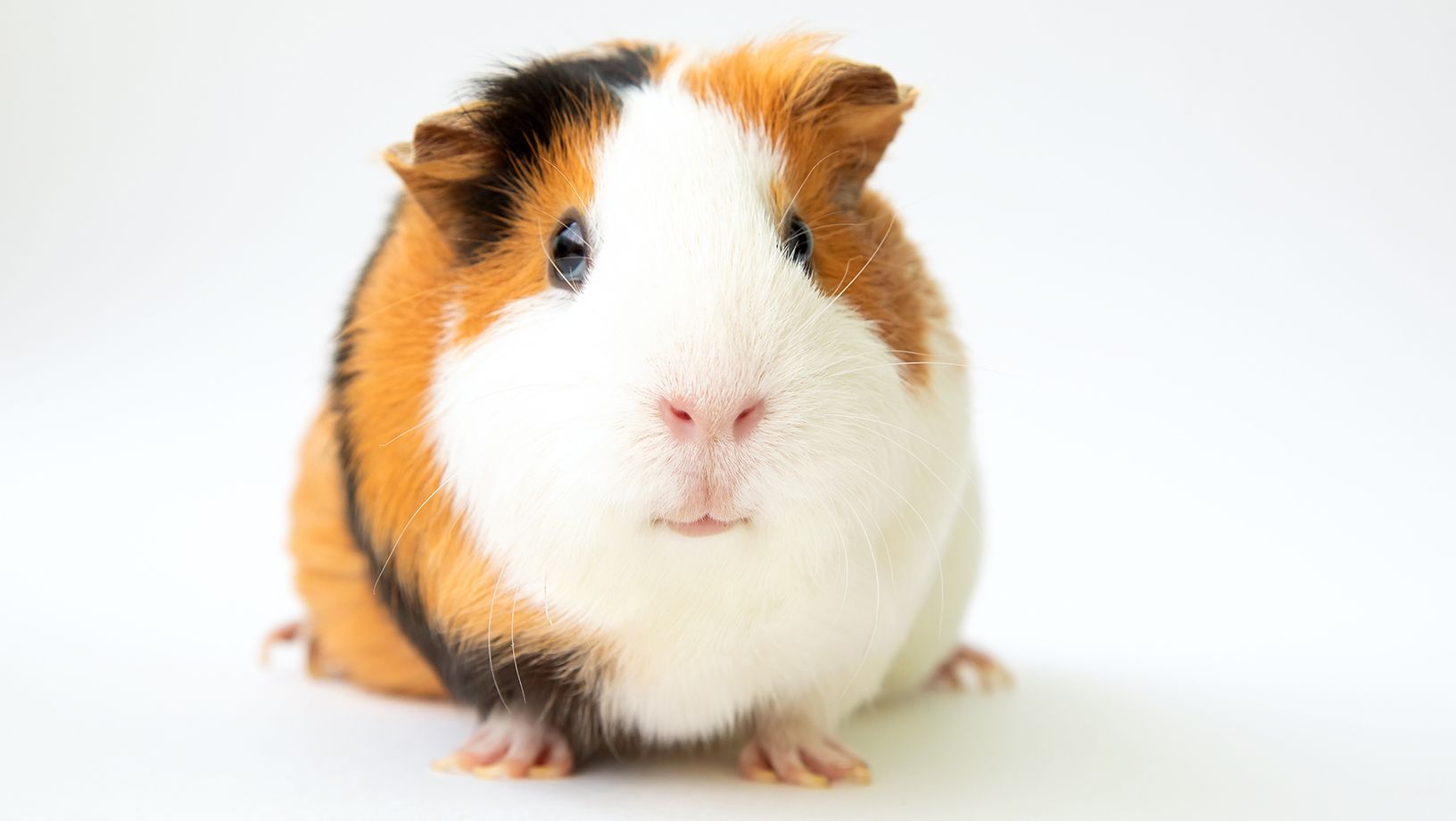
Gregarious and Goofy Guinea Pigs!
Guinea pigs, also called “cavies,” are rodents native to the grasslands of South America. Trade records from the 16th century show that they have been popular animals for hundreds of years, and it’s easy to see why! Guinea pigs are typically docile, friendly, and easy to handle. Despite their small size, they are also full of personality. Guinea pigs exhibit lots of different behaviors, but one of the most iconic is called “popcorning.” When excited, sometimes they just cannot contain their joy, and they will hop and jump around like pieces of popcorn!
Species Profile:
- Scientific/Common Name: Guinea Pig (Cavia porcellus)
- Size: Guinea pigs grow up to 12" (30 cm)
- Lifespan: On average, Guinea pigs live for 5 to 8 years.
- Diet: Diet: As herbivores, Guinea pigs feed on grasses/hay, plants and greens.
- Behavior: Guinea pigs are diurnal, meaning they are most active during the day. Happy guinea pigs make a variety of noises, especially when excited, and may squeak or squeal to communicate.
- Temperament: Guinea pigs can be shy and nervous at first, but once they become comfortable with you they are typically easy going and friendly. They are much less likely to bite than some other small mammals like hamsters, and will usually (loudly) vocalize their displeasure long before they act on it.
- Social needs: Guinea pigs are social animals and do best when kept in same-sexed pairs or small groups (3-5). Males and females can live together, but there may be accidental breeding if one or both animals are not fixed. It is recommended to have individuals spayed or neutered to prevent accidental pregnancy if you will be keeping mixed-sex groups together.
Handling note: Guinea pigs are coprophagic, meaning they eat their own feces. This is a normal guinea pig behavior and is important for their gut health. Because of this behavior, it is especially important to ensure you wash your hands after handling your guinea pig.
Setting up your Guinea Pig habitat
Guinea pigs need room to run around and explore, and need constant access to hay to chew on to maintain their oral and gut health. It is also worth noting that some guinea pig keepers like to litter-train their guinea pigs, so if you want to try that you will want to make sure you have enough room in their enclosure for a litter tray.
Choosing the right guinea pig enclosure
Size and setup:
- Choose a habitat that is at least 24" x 36" x 24" or larger with a solid bottom
- Place the habitat in a low humidity area that's between 65-75°F (18-24°C) and out of direct sunlight
Guinea pig bedding and cleaning
Daily maintenance:
- Line the habitat with clean bedding, approximately 3" depth. Guinea pigs don't burrow into their bedding, so it doesn't need to be very deep
- Spot clean to remove dirty bedding daily
Weekly deep cleaning:
- A deep clean and full bedding change of the habitat should be done every two weeks
Guinea pig habitat essentials
Food and hay:
- Add a hay feeder and fill it with hay for chewing on to help maintain your guinea pig's dental health
- Hay should be available at all times
Hiding spots:
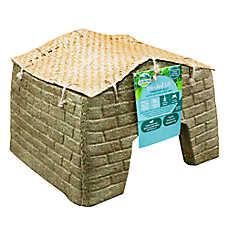
- Add one or two hides to the habitat so your guinea pig has somewhere to rest and feel safe
- Having more than one allows your guinea pigs to have multiple places to hide, sleep, and also get away from each other if they need some space
Enrichment:
- Add wood chews and other toys for enrichment
Litter training your guinea pig (optional)
If you plan to try litter training your guinea pig, you can do so by placing a litter pan in the corner of their habitat. Encourage your guinea pigs to use the litter tray by placing some of their fecal pellets in the tray, and place the litter tray in the area your guinea pigs have been most commonly using to do their business.
Litter safety tips:
- Avoid using wood shavings or clay/clumping cat litter as these litter options can have debris and dust that can contribute to eye, skin, and respiratory problems
What to expect:
- Litter tray training is not an exact science, and not every guinea pig will pick up on the idea
- Some guinea pigs that use the litter tray may still pass waste in other areas of the habitat as well
- However, litter training can make it much easier, and faster, to keep the habitat clean
Feeding your Guinea Pig
Guinea pigs are unable to synthesize their own vitamin C and must have it supplemented into their diet. Without it, your guinea pig can become very sick and may be at risk of developing scurvy. Guinea pigs need 25mg-50mg vitamin C per day. This can be accomplished by providing vitamin C supplements, or vitamin C enriched treats, daily.
Replace open packages of vitamin C supplements after 90 days or they may be less effective.
Daily guinea pig diet staples
Timothy hay and pellets:
- The majority of your guinea pig's diet should be Timothy hay or cat grass, which should be available at all times
- Pellet guinea pig diet should also be offered and freely available and refreshed daily
Fresh greens:
- Fresh greens should be offered daily as part of a balanced, and enriching diet
- Some safe options include bell peppers, leaf lettuce, kale, carrots and celery
- Remove leftovers after a couple hours
Treats and fruit for guinea pigs
Twice weekly treats:
- Treats and fruit can be offered twice a week
- Some safe fruit options include oranges, blueberries, bananas, pear and strawberries
Understanding guinea pig eating behaviors
Coprophagy (eating feces)
Guinea pigs are coprophagic, meaning they eat their own feces. This is a normal guinea pig behavior and is essential for ensuring your guinea pigs are maximizing the vitamins and nutrients they absorb.
The guinea pig digestive tract is designed to do most of its actual digestion towards the end, in the large intestine and the cecum. The cecum is like a pouch attached to the large intestine and it contains beneficial bacteria that help break down the fibrous diet that guinea pigs eat. This is why guinea pigs are considered "hind-gut fermenters."
They then consume the fecal pellets they pass, as now that the hay has been broken down it will be much easier to absorb the vitamins and nutrients they didn't get on the first pass. Think of it similarly to how cows will eat hay, swallow it, then regurgitate it as cud and chew it again to help break it down better for digestion, this is just going the opposite direction.
Continuously growing teeth
Many rodents, including guinea pigs, have front teeth that keep growing their entire life. These are called "hypsodont" teeth and, unlike human teeth, hypsodont teeth will continually grow longer and longer.
In addition to regular feedings, guinea pigs need things to gnaw on, like wood chew sticks, to keep their teeth at an appropriate length so they can chew and eat normally and without pain. If you notice your pet is having difficulty eating, you may want to have a vet evaluate their teeth to make sure they're not overgrown.
Guinea pig hydration
Water access:
- A water bottle attached to the side of the cage, or a water bowl, should be available at all times and refreshed daily
When to see a vet
In addition to regularly scheduled appointments, contact your small animal veterinarian if you notice the following signs:
- not eating or drinking normally
- decrease in droppings or urination
- cloudy, sunken or swollen eyes
- overgrown front teeth or drooling
- bare patches in the fur
- lethargic behavior
- sneezing; discharge from the eyes, nose or mouth
- diarrhea or discolored droppings for more the 6-8 hours
- not passing any stools for 12hrs
- head tilt
- New lumps/growths
- Lameness/limping or swelling in the joints
SHOPPING CHECKLIST
- Solid-bottom habitat or pen sized 24” x 36” x 24" or larger
- Hay feeder and hay
- Fortified Guinea pig pelleted diets
- Vitamin C supplements
- Food bowl
- Water bottle
- Hide
- Bedding
- Prepared treats
- Grooming kit (brush, nail trimmers, etc.)
- Wood chew
- Litter tray (optional)
FAQs
How much vitamin C does my guinea pig need?
Guinea pigs need 25mg-50mg vitamin C per day. Guinea pigs are unable to synthesize their own vitamin C and must have it supplemented into their diet. Without it, your guinea pig can become very sick and may be at risk of developing scurvy. This can be accomplished by providing vitamin C supplements, or vitamin C enriched treats, daily. Replace open packages of vitamin C supplements after 90 days or they may be less effective.
What temperature is safe for my guinea pig?
Keep your guinea pig's habitat in a low humidity area that's between 65-75°F (18-24°C) and out of direct sunlight. This temperature range helps keep your guinea pig comfortable and healthy.
Can I house multiple guinea pigs together?
Yes, guinea pigs are social animals and do best when kept in same-sexed pairs or small groups (3-5). Males and females can live together, but there may be accidental breeding if one or both animals aren't fixed. It's recommended to have individuals spayed or neutered to prevent accidental pregnancy if you'll be keeping mixed-sex groups together.
Why is my guinea pig eating its own droppings?
This is completely normal behavior called coprophagy. Guinea pigs are hind-gut fermenters and need to eat their fecal pellets to maximize vitamin and nutrient absorption. Don't try to stop this behavior, it's essential for your guinea pig's health. Because of this behavior, it's especially important to ensure you wash your hands after handling your guinea pig.
What fruits and vegetables are safe for my guinea pig?
For daily feeding, safe greens include bell peppers, leaf lettuce, kale, carrots and celery. For treats twice a week, safe fruit options include oranges, blueberries, bananas, pear and strawberries. Remove leftovers after a couple hours so they don't spoil.
Can I litter train my guinea pig?
Yes, you can try litter training by placing a litter pan in the corner of their habitat. Encourage your guinea pigs to use the litter tray by placing some of their fecal pellets in the tray, and place the litter tray in the area your guinea pigs have been most commonly using to do their business. However, litter tray training is not an exact science, and not every guinea pig will pick up on the idea. Avoid using wood shavings or clay/clumping cat litter as these can contribute to eye, skin, and respiratory problems.
How do I know if my guinea pig's teeth are overgrown?
If you notice your pet is having difficulty eating, you may want to have a vet evaluate their teeth to make sure they're not overgrown. Guinea pigs need things to gnaw on, like wood chew sticks, to keep their continuously growing teeth at an appropriate length so they can chew and eat normally and without pain.
What does "popcorning" mean in guinea pigs?
Popcorning is one of the most iconic guinea pig behaviors. When excited, sometimes they just cannot contain their joy, and they will hop and jump around like pieces of popcorn. This is a sign of a happy, healthy guinea pig!
Need other cat supplies while you’re shopping for small pets? PetSmart also carries small pet food, small pet cages, small pet treats, small pet hay, small pet litter and bedding, small pet toys and much more. Explore PetSmart’s Small Pet Shop to find everything your cat needs, all in one place.
PetSmart offers convenient shopping with Curbside Pickup or in-store pickup. Need something today? We have select items available for Same-Day Delivery in most areas powered by DoorDash. For items you purchase frequently, PetSmart has Autoship that automatically delivers the items you want to your door as often as you’d like. Check the website to see which items are eligible.
Information in this article is not intended to diagnose, treat or cure your pet and is not a substitute for veterinary care provided by a licensed veterinarian. For any medical or health-related advice concerning the care and treatment of your pet, contact your veterinarian.
©2025 PetSmart LLC Vet Assured™: Pets purchased at PetSmart are part of our exclusive Vet Assured™ program, designed by PetSmart veterinarians to help improve the health and well-being of our pets. Our vendors meet a high standard in caring for pets and screening them for common illnesses. This program also includes specific standards for in-store pet care. The PetSmart Promise: If your pet becomes ill during the initial 14-day period, or if you’re not satisfied for any reason, PetSmart will gladly replace the pet or refund the purchase price. This care guide contains general information for the proper care of your pet, but is not comprehensive and is not a substitute for veterinary advice or care. PETSMART and VET ASSURED are trademarks of PetSmart Home Office, Inc. © 2025 PetSmart. All rights reserved.
Shop this article



Related articles