
Refresh Your Home for Pets: Bedding, Bowls, Décor and Organization Tips
In this Article
Your home should work beautifully for everyone who lives there, including your four-legged family members. Refreshing your pet's spaces doesn't mean sacrificing style or function. With thoughtful updates to bedding, feeding stations, and organization systems, you can create a home that looks great while meeting your pet's needs.
This guide walks you through practical ways to refresh your home for pets. From upgrading worn-out beds to creating efficient feeding zones, these updates improve daily life for both you and your pets.
Upgrade your pet's bed for comfort and style
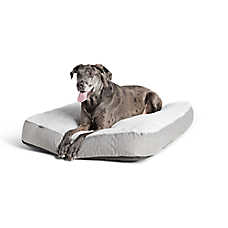
Your pet's bed serves as their personal retreat. A quality bed provides proper support while complementing your home's décor. Consider replacing beds that show wear, have lost their shape, or no longer match your pet's needs.
Signs it's time for a new dog bed
Watch for these indicators that your dog needs a fresh bed:
- Flattened cushioning that no longer provides support
- Persistent odors despite regular washing
- Visible tears, exposed filling, or frayed edges
- Your dog avoiding the bed or seeming uncomfortable
- Changes in your dog's age, size, or health needs
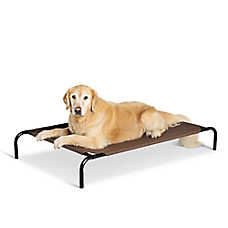
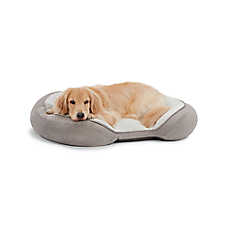
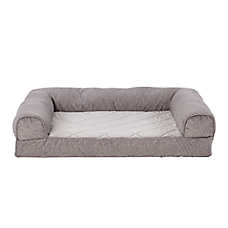
Older dogs often benefit from orthopedic beds that cushion joints. Larger dogs need beds sized appropriately for stretching out. Browse dog beds to find options that match your dog's sleeping style, whether they curl up, sprawl out, or burrow under blankets.
Choosing the right cat bed
Cats have specific preferences about where and how they sleep. Some seek warmth and enclosure, while others prefer open spaces with good sightlines. Multiple beds placed in different spots let your cat choose based on mood and temperature.
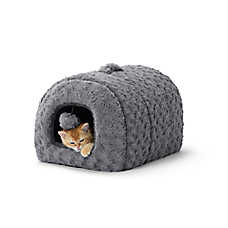
Cuddler beds with raised sides appeal to cats who like feeling nestled. Heated beds provide consistent warmth for senior cats or those who seek sunny windowsills. Cave-style beds offer privacy and security for shy cats. Explore cat beds and furniture to find styles your cat will actually use.
Matching beds to your home's style
Pet beds no longer mean sacrificing aesthetics. Modern designs incorporate neutral colors, quality fabrics, and clean lines that blend with contemporary, traditional, or coastal décor. Consider materials that complement your existing furniture—faux suede for a sophisticated look, woven textures for bohemian spaces, or classic patterns for traditional rooms.
Removable, washable covers maintain freshness while protecting your investment. Place beds in areas your pet already favors rather than forcing new locations. A bed positioned in a frequently used spot integrates seamlessly into your home's flow.
Refresh feeding stations for function and tidiness
Feeding stations impact your daily routine more than almost any other pet area. Upgrading bowls, feeders, and the surrounding space creates a cleaner, more organized mealtime zone that works better for everyone.
Upgrading dog bowls and feeders
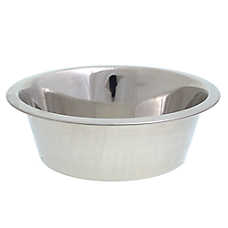
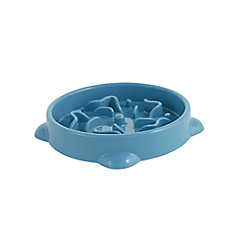
The right bowls make feeding easier while protecting your floors. Elevated stands reduce neck strain for larger dogs and senior pets while containing spills. Stainless steel bowls resist bacteria and clean easily. Slow feeder bowls help dogs who eat too quickly, while automatic feeders maintain consistent meal schedules.
Consider your dog's specific needs when selecting dog bowls and feeders. Flat-faced breeds benefit from shallow, wide bowls. Dogs with long ears do better with narrow, deep bowls. Elevated feeders work well for large breeds or dogs with megaesophagus.
Creating an efficient cat feeding area
Cats need feeding stations placed away from litter boxes and high-traffic areas. Elevated feeders promote better posture and digestion while keeping food off the floor. Water fountains encourage hydration—many cats prefer flowing water and will drink more from fountains than bowls.
Multiple cats require separate feeding stations to prevent competition and ensure each cat eats appropriately. Automatic feeders help manage portion control and maintain schedules when you're away. Shop cat bowls and feeders to find solutions that match your household's needs.
Organizing the feeding zone
A well-organized feeding station keeps supplies accessible and floors protected. Place a waterproof mat under bowls to catch spills and prevent floor damage. Store food in airtight containers that preserve freshness while deterring pests. Keep scoops, measuring cups, and can covers in nearby drawers or caddies.
Designate a specific cabinet or shelf for pet food supplies. This centralized approach makes mealtime routines faster and prevents clutter from spreading through your kitchen. If you have the space, consider a dedicated feeding station with built-in storage for food, bowls, and accessories.
Smart pet organization ideas for every room
Strategic organization systems keep pet supplies accessible without creating clutter. These practical solutions work in homes of any size.
Entryway essentials
Store leashes, harnesses, and waste bags near the door you use for walks. Wall hooks keep leashes untangled and ready to grab. A basket or bin holds poop bags, training treats, and seasonal gear like paw balm or cooling vests. Place a small towel or mat by the door for wiping muddy paws before pets enter.
Living room solutions
Keep grooming tools in a caddy that moves between rooms. Store nail clippers, brushes, and wipes together so you can handle quick maintenance wherever your pet settles. This system prevents you from searching for supplies when you notice a mat or overgrown nail.
Bathroom and laundry room storage
Store bathing supplies in a shower caddy or under-sink organizer. Keep dog shampoo, towels, and brushes together for easy bath time access. If you have a utility sink, dedicate it to pet washing and store supplies nearby.
Create a cat litter station that contains mess and odor. Place the litter box on a mat that catches scattered litter. Store extra litter, scoops, and waste bags in a nearby cabinet or on shelves. Furniture-style litter box enclosures hide the box while providing top storage for supplies.
Closet and mudroom organization
Dedicate one closet shelf or section to pet supplies. Use clear bins to store seasonal items like holiday dog clothes, extra collars and leashes, and grooming supplies you don't use daily. Label bins by category—winter gear, grooming tools, training supplies, first aid—so you can find items quickly.
Creating pet-friendly spaces that look intentional
The most successful pet-friendly homes integrate pet needs into the overall design rather than treating them as afterthoughts. Small adjustments create spaces that work beautifully for humans and pets alike.
Choosing durable, cleanable materials
Select furniture fabrics that resist pet hair and clean easily. Leather, microfiber, and performance fabrics stand up to daily use better than delicate materials. Choose area rugs with tight weaves that don't trap hair and can be machine washed or easily cleaned.
Dark colors and patterns camouflage pet hair between cleanings. However, if you prefer light colors, invest in removable, washable slipcovers for heavily used furniture. Place washable throws on your pet's favorite sitting spots for quick refreshing.
Designating pet zones
Give your pets defined spaces within your home. A corner with a bed becomes their retreat. The spot by the back door becomes the leash station. The laundry room holds litter boxes and bathing supplies. These designated zones help pets understand where their activities belong while keeping your main living areas cleaner.
If you have the space, consider a dedicated pet room or nook. This might be a mudroom setup with dog crates, food storage, and grooming supplies. Or a cozy reading nook that includes a comfortable cat tree and window perch. These dedicated areas make pet care easier while maintaining organization.
Incorporating pet items as décor
Modern pet products increasingly focus on design. Elevated feeders with wooden stands look like furniture pieces. Woven basket beds blend with bohemian or farmhouse styles. Ceramic bowls with hand-painted designs coordinate with kitchen décor.
Display a few thoughtful pet items openly—a beautiful bowl set, an attractive bed—while storing less appealing necessities out of sight. This approach creates a curated look that acknowledges your pets as family members without overwhelming your space with pet gear.
Maintaining your refreshed pet spaces
Organization systems only work when maintained. Build simple routines that keep pet areas functional and attractive.
Weekly maintenance routines
Wash pet beds weekly or biweekly depending on use. Clean bowls and feeders daily. Wipe down feeding station mats and surrounding floors. Shake out blankets and throws. Return misplaced toys to their designated storage. These small tasks prevent buildup and keep spaces looking intentional.
Seasonal refreshes
Rotate pet items seasonally just as you do with your own belongings. Swap heavy winter beds for cooler summer options. Update water stations with fountains during hot months. Store seasonal clothing and gear when not in use. Regular rotation prevents wear and keeps spaces feeling fresh.
Reassess your organization systems twice yearly. If supplies consistently pile up in the wrong spots, your system needs adjustment. Move storage to where you actually use items rather than forcing inconvenient locations.
FAQs
How often should I replace my dog's bed?
Replace beds when cushioning flattens and no longer provides support, typically every one to two years with regular use. Signs include visible wear, persistent odors, and your dog avoiding the bed. Senior dogs or those with joint issues may benefit from more frequent replacement to maintain adequate support.
What's the best material for pet bowls?
Stainless steel bowls resist bacteria, clean easily, and last longer than plastic options. They don't retain odors or stain from food. Ceramic bowls offer aesthetic appeal and weight that prevents sliding but can chip if dropped. Avoid plastic bowls for long-term use as they can harbor bacteria in scratches and may cause allergic reactions in some pets.
How can I keep my home looking clean with pets?
Establish designated pet zones for feeding, sleeping, and play. Use washable covers on furniture. Choose materials that resist pet hair and clean easily. Implement daily spot-cleaning routines for high-use areas. Keep grooming tools accessible for quick maintenance between formal grooming sessions.
Where should I place my pet's bed?
Place beds where your pet naturally gravitates—near windows for sun seekers, in quiet corners for those wanting privacy, or close to family areas for social pets. Avoid high-traffic pathways and drafty spots near doors. Multiple beds in different locations let pets choose based on temperature and social preferences throughout the day.
What's the best way to organize pet toys?
Use washable bins or baskets that match your décor. Place them in areas where your pet plays most often. Rotate toys weekly to maintain interest—store some out of sight and swap them regularly. This approach keeps fewer toys visible while preventing boredom. Discard damaged toys promptly to avoid safety hazards.
Should elevated feeders be used for all dogs?
Elevated feeders benefit large breeds, senior dogs, and those with neck or back issues by reducing strain during meals. However, some studies suggest they may increase bloat risk in deep-chested breeds. Consult your veterinarian about whether elevated feeding is appropriate for your specific dog, especially if you have a breed prone to gastric issues.
How do I choose pet furniture that matches my home's style?
Select pet items using the same criteria as regular furniture. Consider your home's color palette—neutrals integrate easily, while bold colors make statements. Match materials to existing pieces—woven textures for casual homes, sleek fabrics for modern spaces, classic patterns for traditional décor. Quality construction in pet furniture mimics regular furniture and lasts longer.
PetSmart offers convenient shopping with Curbside Pickup or in-store pickup. Need something today? We have select items available for Same-Day Delivery in most areas powered by DoorDash. For items you purchase frequently, PetSmart has Autoship that automatically delivers the items you want to your door as often as you'd like. Check the website to see which items are eligible.
Information in this article is not intended to diagnose, treat or cure your pet and is not a substitute for veterinary care provided by a licensed veterinarian. For any medical or health-related advice concerning the care and treatment of your pet, contact your veterinarian.