
How to Prepare Your Pet for Grooming
In this Article
- Why grooming preparation matters
- Practice handling exercises at home
- Introduce grooming tools and sounds
- Prepare for bath time
- Create calming routines and environments
- Dog-specific grooming preparation tips
- Cat-specific grooming preparation tips
- When to seek professional help
- Choosing professional grooming services
- Frequently asked questions (FAQs)
- Building confidence for lifelong grooming success
Grooming keeps your pet looking their best, but it's about more than just appearance. Regular grooming supports your pet's health, comfort, and overall well-being. From maintaining healthy skin and coat to preventing painful mats and overgrown nails, grooming plays an essential role in your pet's care routine.
For many pets, grooming can feel stressful or unfamiliar. The sounds of clippers, the sensation of water, or being handled by strangers can create anxiety. But preparation makes all the difference. When you help your dog or cat become comfortable with grooming-related handling at home, you're setting them up for success at professional grooming appointments.
Whether you're getting ready for your pet's first grooming visit or working to make future visits easier, the work you do at home builds confidence and reduces stress for everyone involved.
Why grooming preparation matters
Early experiences shape how your pet responds to grooming throughout their life. Pets who aren't accustomed to being handled in grooming-related ways may find the experience frightening or uncomfortable. This anxiety can manifest as resistance, fear-based behaviors, or even aggression.
Preparation at home helps your pet understand that grooming involves safe, predictable handling. When you practice touching sensitive areas, introduce grooming tools gradually, and pair these experiences with positive rewards, you're teaching your pet that grooming is nothing to fear.
- Reduces fear and anxiety: Pets who are familiar with being handled and grooming processes experience less stress during professional appointments. They're more likely to stay calm and cooperative.
- Keeps everyone safe: A relaxed pet is easier and safer to groom. When pets are comfortable, groomers can work more effectively without risk of injury to themselves or your pet.
- Builds positive associations: When grooming experiences feel good, your pet learns to accept and even enjoy the process. This makes every future grooming visit easier.
Practice handling exercises at home
The foundation of successful grooming preparation is regular, gentle handling. Grooming involves touching sensitive areas that many pets naturally protect, including paws, ears, mouths, and tails. When you practice handling these areas at home with positive reinforcement, you help your pet build tolerance and trust.
For dogs:
Start with areas where your dog is already comfortable, like their shoulders or back. Gradually move toward more sensitive spots. Touch their paws gently, one at a time. Lift their ears and look inside. Gently open their mouth to examine teeth. Handle their tail carefully.
Keep sessions short (1-3 minutes) and always pair handling with rewards. Give a treat immediately after touching a paw or examining an ear. This teaches your dog that good things happen when you handle them.
For cats:
Many cats prefer gentle touches on their head and neck rather than their belly or back. Start with areas your cat already enjoys. Slowly introduce touching their paws for nail checks, gently lifting their ears, and briefly opening their mouth.
Cats need predictability and consistency. Use slow, deliberate movements rather than quick or sudden touches. Keep one hand on your cat throughout the handling to provide reassurance rather than repeatedly moving hands on and off.
For both species, timing matters. Practice when your pet is naturally calm and relaxed, not when they're excited or energetic. End each session while your pet is still comfortable. This leaves them with positive memories of the experience.
Introduce grooming tools and sounds
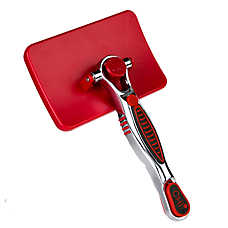
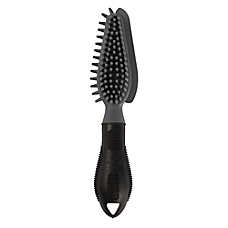
The tools and sounds of grooming can feel intimidating to pets who haven't been exposed to them before. Dog grooming supplies like brushes, nail clippers, and electric clippers each have unique sensations and sounds. Cat grooming supplies serve similar purposes but may look or feel different.
Let your pet investigate tools safely. Place a brush on the floor and allow them to sniff it. Turn on clippers at a distance so they can hear the sound without pressure to interact. Reward curiosity with treats.
Once your pet seems comfortable with the tool's presence, begin using it gently. For brushes, start with just a few strokes on easy areas. For nail clippers, touch them to one paw without actually clipping. Gradually build up to the full activity over multiple sessions.
If possible, play recordings of grooming sounds (dryers, clippers) at low volume during mealtimes or play, or expose them to the noise of a human hair dryer. This helps your pet learn that these sounds predict positive experiences rather than something to fear.
Prepare for bath time
Bathing can be particularly stressful for pets who dislike water or find the bathroom environment overwhelming. Pet grooming at home practice helps make professional baths less frightening.
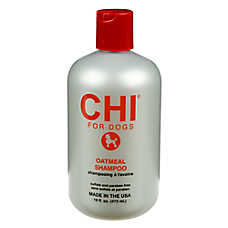
Start by making the bathroom or tub a positive place. Let your pet explore when the water isn't running. Place treats in the tub (when dry) and let them jump in and out at their own pace. Use dog shampoo and conditioner or appropriate products for your pet's coat type.
When introducing water, start small. Wet one paw with a damp cloth. Gradually work up to using a cup or gentle spray of water. Keep early bath experiences brief and extremely positive. You're not trying to get your pet perfectly clean in these practice sessions. You're teaching them that water and bathing are safe.
Create calming routines and environments
Your own emotions affect your pet's response. If you feel anxious about grooming, your pet will sense that tension. Stay calm, speak in a gentle tone, and move with confidence. Your relaxed energy helps your pet feel secure.
Establish a predictable routine. Dogs and cats both feel more comfortable when they know what to expect. If you always practice paw handling before dinner, your pet learns to anticipate and accept it. Consistency reduces anxiety.
Keep their environment calm and quiet during handling practice. Both cats and dogs become easily stressed by noise, unfamiliar people, or changes to their routine. Choose quiet times of day and familiar locations for practice sessions.
Before professional grooming appointments, help your dog burn off excess energy. A good walk or play session can help them arrive at the groomer feeling calmer and more settled.
Dog-specific grooming preparation tips
Make car rides positive: Many dogs become anxious in cars because they associate rides with stressful destinations. Take your dog on short, fun car trips that don't end at the groomer or vet. Visit a park or just drive around the block with treats.
Practice standing still: Groomers need dogs to stand calmly on grooming tables. Practice having your dog stand on a stable, non-slip surface while you gently touch different areas. Reward them for remaining still.
Visit the grooming location: If possible, bring your dog to the grooming salon just to visit. Let them meet the groomers, receive treats, and experience the environment without any grooming being done. This builds positive associations with the location.
Cat-specific grooming preparation tips
Practice carrier comfort: Make the carrier a safe, comfortable place long before grooming appointments. Leave it out with the door open, place treats and toys inside, and feed meals near or in it. A cat carrier that feels safe reduces stress for the entire trip.
Watch for stress signals: Cats show stress differently than dogs. Flattened ears, dilated pupils, tail lashing, or freezing in place can all indicate your cat is uncomfortable. If you see these signs during practice, stop and give your cat space.
Respect individual preferences: Some cats naturally tolerate handling better than others. If your cat shows persistent resistance despite gentle, gradual practice, they may benefit from grooming in a low-stress veterinary environment rather than a busy salon.
When to seek professional help
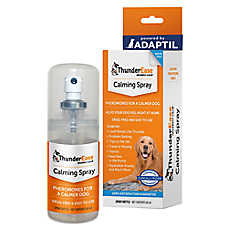
Some pets need extra support beyond home preparation. If your pet shows signs of extreme fear, panic, or aggression during handling practice, consult your veterinarian. They can rule out medical causes of discomfort and may recommend behavioral support or appropriate calming aids.
Signs that indicate your pet needs professional support include persistent attempts to escape or hide, aggressive responses (biting, scratching, lunging), excessive vocalization, or refusal to eat treats even in relaxed settings.
Certified professional trainers who specialize in positive reinforcement methods can help you develop a customized plan for your pet's specific needs. Never use punishment or force during grooming preparation, as this increases fear and makes future experiences worse.
In some cases, pets may require sedation for grooming. While this is uncommon, sedation should only be performed under the supervision of a licensed veterinarian in a clinical setting to ensure your pet’s safety. If a grooming salon determines that a pet is not a good fit for standard grooming services, it does not reflect bad behavior—it simply means the pet may be more comfortable and safely cared for in a veterinary environment.
Choosing professional grooming services
Once your pet is comfortable with basic handling, professional dog grooming services provide complete care. Look for groomers who use calm handling techniques, maintain a clean environment, and are willing to work at your pet's pace.
PetSmart Grooming offers experienced, safety-certified groomers who understand how to make grooming a positive experience. Services include baths, haircuts, nail trimming, teeth brushing, and more. Many locations offer express services for pets who prefer shorter appointments.
Professional groomers have the training and tools to handle pets safely, even those with anxiety or special needs. They can also identify skin or coat issues you might miss and recommend appropriate products for your pet's specific coat type.
Frequently asked questions (FAQs)
When should I start preparing my puppy or kitten for grooming?
Begin as early as possible. Puppies and kittens who experience gentle handling and grooming-related touches between 8-12 weeks of age typically accept grooming more readily throughout their lives. Early, positive experiences during sensitive developmental periods help prevent fear later.
How long should practice sessions be?
Keep sessions very short, especially at first. One to three minutes is enough for most pets. Multiple brief sessions throughout the day work better than one long session. Always end while your pet is still comfortable and happy.
What if my pet becomes frightened during practice?
Stop immediately and give them space. Don't try to comfort or console them, as this can reinforce fearful behavior. Instead, take a break and start again later with an easier version of the activity. Progress gradually at your pet's pace.
Can older pets learn to accept grooming?
Yes, but it may take more time and patience. Older pets who haven't been regularly groomed can still learn to tolerate handling through gradual desensitization and positive reinforcement. Work slowly and celebrate small improvements.
What treats work best for grooming practice?
Use small, high-value treats your pet loves. They should be soft enough to eat quickly so you can continue practice without long breaks. Dog training treats and cat treats designed for training work well because they're sized appropriately and highly motivating.
How do I know my pet is ready for professional grooming?
Your pet is likely ready when they calmly accept being touched on sensitive areas (paws, ears, mouth, tail), stay relatively still during handling, and respond positively to the sight and sound of grooming tools. They don't need to be perfect, just comfortable with basic handling.
Building confidence for lifelong grooming success
The time you invest in grooming preparation pays off throughout your pet's life. Pets who are comfortable with handling enjoy better health because they receive the grooming care they need without stress. Regular grooming helps you spot skin issues, parasites, or other health concerns early.
Remember that every pet progresses at their own pace. Some dogs and cats naturally tolerate handling easily, while others need more time and patience. Respect your pet's individual temperament and work within their comfort zone.
When you're ready for professional grooming, PetSmart's safety-certified groomers are trained to handle pets with patience and care. Whether your pet needs a full spa treatment or just a nail trim, experienced groomers make the process as comfortable as possible.
Information in this article is not intended to diagnose, treat or cure your pet and is not a substitute for veterinary care provided by a licensed veterinarian. For any medical or health-related advice concerning the care and treatment of your pet, contact your veterinarian.
In this Article
- Why grooming preparation matters
- Practice handling exercises at home
- Introduce grooming tools and sounds
- Prepare for bath time
- Create calming routines and environments
- Dog-specific grooming preparation tips
- Cat-specific grooming preparation tips
- When to seek professional help
- Choosing professional grooming services
- Frequently asked questions (FAQs)
- Building confidence for lifelong grooming success