
Grooming Refresh: How to Get Your Dog or Cat Ready for Warmer Weather
In this Article
Key takeaways
- Spring triggers a natural shedding cycle in most dogs and cats as they lose their heavier winter coats
- Brushing more frequently during peak shed season is the most effective way to manage loose fur and prevent matting
- De-shedding tools work differently than standard brushes, and matching the right tool to your pet’s coat type makes a real difference
- Spring is a good time to check paws for winter wear and adjust bathing frequency as your pet becomes more active outdoors
- Ear checks belong in a spring grooming routine, especially for dogs with floppy ears or those spending more time outside
- A professional grooming appointment can be a helpful reset after winter, particularly for longer or double-coated breeds
Spring has a way of showing up in your pet’s coat before you notice it anywhere else. Clumps of fur on the couch, tufts coming off during a belly rub, more hair on the floor than usual. It’s the annual shed, and it’s completely normal. But how you manage it makes a difference, both for your home and for your pet’s skin and coat health going into the warmer months.
This guide covers what’s happening with your pet’s coat in spring, and the practical steps to help them through it.
Why spring shedding is heavier than usual
Most dogs and cats shed year-round to some degree, but spring triggers a more significant coat transition. As daylight hours increase and temperatures rise, pets naturally shed their denser winter undercoats to make way for a lighter summer coat. This process is driven by changes in light exposure rather than temperature alone, which is why even indoor pets go through it.
The result is a few weeks of noticeably heavier shedding, sometimes called “blowing coat” in double-coated dog breeds. For cats, you may notice more fur during brushing and an uptick in hairballs as they groom themselves and ingest loose fur. In both cases, more frequent brushing during this window is the most effective way to manage it.
Brushing and de-shedding by coat type
There’s no single brush that works well for every coat. Matching your tools to your pet’s fur type makes brushing faster, more comfortable, and more effective at removing loose undercoat.
Double-coated dogs
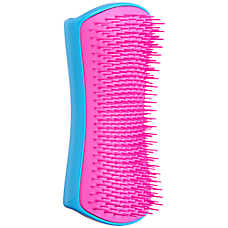
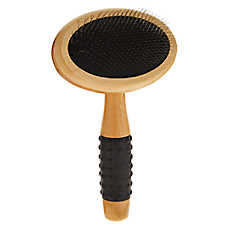
Breeds like Golden Retrievers, German shepherds, Huskies, and Corgis have a dense undercoat beneath a longer outer layer. During spring, this undercoat releases in large amounts. An undercoat rake or de-shedding tool reaches below the top coat to pull out loose fur before it ends up everywhere else. Slicker brushes help smooth the outer coat afterward.
Brush double-coated dogs at least every two to three days during peak shedding, and daily if you have the time. Working in sections helps you cover the whole dog without missing dense areas around the ruff, haunches, and tail. For more on navigating different coat types, what kind of coat does my dog have? is a useful reference.
Short-coated dogs
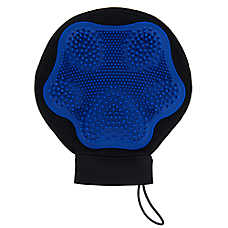
Short-coated breeds shed too, sometimes surprisingly heavily in spring. A rubber curry brush or grooming mitt works well for loosening and lifting dead fur. These tools also stimulate circulation in the skin, which can help support a healthy, shiny coat. A quick once-over every few days during peak shedding keeps things manageable.
Long-haired and silky-coated dogs
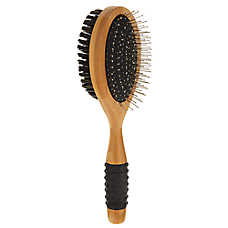
Long coats can mat quickly when shedding is heavy, especially around the ears, collar area, armpits, and behind the legs. A slicker brush and a wide-tooth comb used together are your best tools here. Work through tangles starting from the ends of the fur toward the skin rather than pulling through from root to tip. For dogs whose coats have already developed significant tangles, detangling matted coats covers a safe, step-by-step approach.
Cats
Most cats do an impressive job grooming themselves, but they still benefit from regular brushing in spring, particularly longhaired breeds like Maine coons, Persians, and Ragdolls. A fine-toothed comb or a de-shedding brush pulls out loose undercoat before it gets swallowed during self-grooming. For shorthaired cats, a rubber grooming glove is often more accepted than a traditional brush and still removes loose fur effectively. How much grooming support your cat actually needs from you depends on their coat type, as should I groom my cat? covers in detail.
Spring bathing
Warmer weather and more time outdoors means more opportunities for your dog to get muddy, roll in something, or pick up pollen and environmental debris in their coat. A bath at the start of spring is a good reset, and you may find you’re bathing your dog a bit more often from here through summer.
Bathing also helps with shedding. A thorough wash and blow-dry loosens a significant amount of dead undercoat that brushing alone wouldn’t reach, which is one reason a professional de-shedding bath at the start of the season can be worth it for heavy shedders.
For most dogs, bathing every four to six weeks is appropriate, though dogs with skin conditions, allergies, or particularly active outdoor lifestyles may need different schedules. Your vet is the best person to guide frequency if your dog has any skin concerns. Use a shampoo formulated for dogs, as human shampoos can disrupt the pH of a dog’s skin. Browse the Dog Shop for seasonal and de-shedding shampoo options.
Cats generally don’t need baths unless they’ve gotten into something or have a specific skin condition. If your cat does need a bath, use a shampoo formulated for cats, and keep the experience as calm and quick as possible.
Nail care and paw checks
Winter can be hard on paws. Salt, ice melt products, and cold dry air can leave paw pads cracked or rough. Spring is a good time to examine them closely, checking for any remaining dryness, cracking between the toes, or minor cuts.
Nail trimming is part of the spring reset too. If you can hear your dog’s nails clicking on hard floors, they’re likely overdue. Overgrown nails affect the way a dog bears weight and can become uncomfortable over time. If you’re new to trimming at home, nail grinders are an alternative to clippers that some dogs tolerate more easily, since they file gradually rather than cutting. Find grooming tools for both dogs and cats in the Dog Shop and the Cat Shop.
For cats, check nails monthly. Indoor cats don’t wear them down naturally the way outdoor cats do, so they can curl and become uncomfortable if left too long.
Ear checks
More time outdoors in spring means more exposure to debris, moisture, and insects, all of which can affect the ears. Make ear checks a regular part of your spring grooming routine, especially for dogs with floppy ears or heavy ear flaps that limit airflow.
Healthy ears should look clean and light pink inside, with no significant odor. Dark discharge, redness, swelling, or a dog that’s scratching at their ears or shaking their head repeatedly warrants a call to your vet. Don’t insert anything into the ear canal at home.
For routine maintenance, ear wipes or a veterinarian-approved ear cleaning solution applied to a cotton ball can clean the outer ear and flap. Ask your vet at your next appointment what they recommend for your specific dog.
When to book a professional grooming appointment
A professional grooming appointment at the start of spring is genuinely useful, not just a nice-to-have. For double-coated or long-haired breeds, a thorough de-shedding treatment by a trained Pet Stylist removes a substantial amount of loose undercoat that’s difficult to fully address at home. Many pet parents find that one good professional de-shed at the start of the season significantly reduces the hair they’re managing for weeks afterward.
Professional grooming is also a good reset for pets whose coats have developed mats over winter, need a trim, or whose nails haven’t been done in a while. PetSmart Grooming Salon services are available at select locations.
Between appointments, a consistent at-home brushing routine keeps the coat in better shape and makes each professional visit more comfortable for your pet. A dog who gets brushed regularly is less likely to have the kind of matting that requires extra time or a shorter-than-intended trim.
Frequently asked questions (FAQs)
How long does spring shedding usually last?
For most dogs and cats, the heaviest shedding lasts two to four weeks as the winter coat releases. Some breeds, particularly heavy double-coated ones, shed more intensely over a longer period. Consistent brushing throughout shortens the visible impact significantly.
My dog doesn’t shed much. Do they still need extra grooming in spring?
Low-shedding breeds, including Poodles, Bichon Frisés, and similar curly or wavy-coated dogs, still go through coat changes seasonally. Their fur tends to grow continuously rather than shedding in clumps, which means matting can become a concern if brushing slips. A spring professional trim is often especially useful for these breeds.
Can I shave my double-coated dog to reduce shedding?
Shaving a double-coated dog is generally not recommended. The double coat insulates in both directions, helping keep dogs cool in summer as well as warm in winter. Shaving can disrupt how the coat grows back and may not actually reduce shedding as expected. De-shedding tools and regular professional grooming are more effective approaches.
My cat is shedding a lot and having more hairballs. Is that normal in spring?
Yes. Increased spring shedding means cats ingest more fur during self-grooming, which leads to more hairballs. Brushing your cat more frequently during this period removes loose fur before they swallow it. Hairball-support cat food or supplements may also help if the issue is persistent. Check with your vet if hairballs are frequent or seem to be causing distress.
How do I know if my pet needs a professional grooming appointment versus home grooming?
Home grooming handles the regular maintenance: brushing, basic nail trims, and spot cleaning. A professional appointment makes sense when your pet needs a bath and full blow-dry, a trim or style, has developed mats that are difficult to work through safely, or hasn’t had nails done in a while. The start of spring is a natural time to book one and start the season fresh.
Information in this article is not intended to diagnose, treat or cure your pet and is not a substitute for veterinary care provided by a licensed veterinarian. For any medical or health-related advice concerning the care and treatment of your pet, contact your veterinarian.