
How to Build a Monthly Pet Health Routine for Your Dog or Cat

In this Article
Key takeaways
- Pets are good at hiding early signs of illness. Monthly home check-ins help you catch changes before they become bigger problems
- A complete routine covers six areas: nutrition, parasite prevention, weight, grooming, dental care, and supplements
- Parasite preventives should be given on a fixed date every month, year-round — even for mostly indoor pets
- By age three, an estimated 70–80% of dogs and cats show signs of dental disease. Regular at-home checks and dental products help slow that progression
- A simple health log and recurring reminders are enough to keep most pet parents on track
- Monthly routines complement annual vet exams, but they don't replace them
Keeping up with your pet’s health doesn’t have to feel overwhelming. A simple monthly routine, covering the basics of nutrition, parasite prevention, grooming, dental care, and weight, goes a long way toward catching problems early and keeping your dog or cat feeling their best. Think of it less like a to-do list and more like a rhythm you settle into together.
This guide breaks down what a realistic monthly pet wellness routine looks like, along with easy ways to stay consistent over time.
Why staying ahead matters
Pets are remarkably good at hiding discomfort. Weight can creep up over months, dental disease can develop quietly, and parasite exposure can happen before you notice any signs. Catching these things early, through regular home check-ins and annual vet exams, tends to mean simpler, less expensive solutions. A monthly routine gives you the checkpoints to do that reliably.
Your monthly pet health checklist
Nutrition
Food is the foundation, so it’s worth a quick monthly check-in. Confirm you’re feeding the right amount for your pet’s current weight, not the weight they were six months ago. Make sure their formula still matches their life stage, since puppies, adults, and seniors have different requirements. And don’t forget to account for treats and toppers in the overall daily calorie picture.
If anything has shifted in your pet’s appetite or eating behavior, note it. Gradual changes are easy to miss day to day but become clearer when you’re checking in monthly.
Parasite prevention
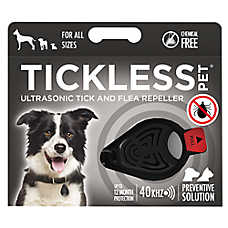
Flea, tick, and heartworm preventives are monthly medications for a reason, and missing a dose creates a real gap in protection. Fleas are active in more months than most pet parents expect, and even indoor cats can be exposed through clothing or other pets coming in from outside.
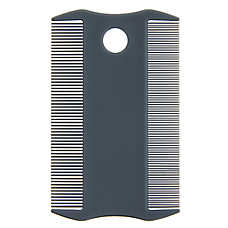
- Dog flea prevention: After outdoor time, check for flea dirt (small dark specks) at the base of the tail and along the belly.
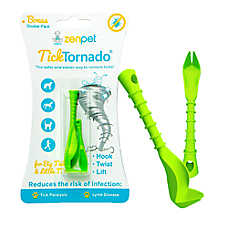
- Tick checks: Run your hands through your dog’s coat after walks in wooded or grassy areas. Ears, between toes, and around the collar are common spots.
- Cat flea control: Cats are often subtle about discomfort. Over-grooming, skin irritation, or small scabs along the back may be signs.
Tying administration to a fixed date each month, and setting a phone reminder, is the simplest way to stay consistent.
Weight monitoring
Roughly one in two pets in the US is overweight or obese, and the health consequences are significant: increased risk of diabetes, joint disease, heart problems, and more. The tricky part is that weight tends to shift gradually. A monthly weigh-in, even just stepping on a home scale while holding your pet and subtracting your own weight, gives you a trend line rather than a snapshot.
Do a hands-on check alongside the weigh-in: you should be able to feel your pet’s ribs without pressing hard, but not see them clearly. A visible waist from above and a slight tuck behind the ribs are signs of a healthy weight. If the trend is moving in the wrong direction, managing your dog’s weight is a good resource for practical next steps.
At-home grooming
Monthly grooming checks aren’t just about keeping your pet clean. They’re also when you’re most likely to notice something new: a lump, a skin change, an ear that smells off, or nails that have grown too long. Running your hands through your pet’s coat in a systematic way once a month is one of the most practical wellness habits you can build.
- Brush through the coat and check for lumps, bumps, or skin irritation
- Look in the ears for discharge, redness, or odor
- Nail trimming: If you hear clicking on hard floors, it’s time
- Check eyes for discharge or asymmetry, and paws for cuts or foreign material
How often your pet actually needs a bath or professional groom depends on breed and coat type. Long-haired dogs and cats in particular benefit from more frequent brushing to prevent matting.
Dental care
Dental disease is one of the most common health issues in companion animals, and one of the most overlooked. By age three, an estimated 70 to 80 percent of dogs and cats show some signs of it. Left unaddressed, it causes pain and can contribute to broader health issues over time.
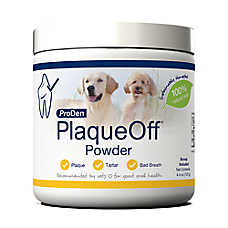
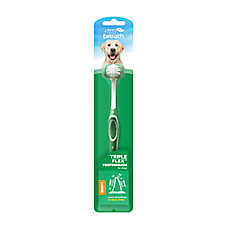
Daily brushing is the gold standard, but if that’s not realistic, a monthly dental check is the floor. Look at your pet’s teeth and gumline for buildup, redness, or a new increase in bad breath. Dental chews and water additives can support oral health between professional cleanings, and cats have their own options too for those who won’t tolerate a toothbrush.
Supplements
Supplements aren’t necessary for every pet, but for many they’re a useful addition, particularly for joint support, digestive health, or skin and coat condition. If you and your vet have settled on a supplement regimen, monthly consistency is what makes it work. Most supplements require ongoing use to maintain their effect, so running out is worth avoiding.
Check your supply once a month and reorder before you run low. If you’ve been using a supplement for a few months, also take a moment to notice whether you’ve seen any changes in mobility, coat quality, or digestion. If you’re wondering whether your dog might benefit from supplements at all, this overview is a helpful starting point. Always check with your vet before starting something new.
Staying consistent: simple tracking habits
Keep a brief monthly log.
- A note on your phone with your pet’s weight, any observations, and upcoming dates takes two minutes and can be useful at vet appointments.
Use a recurring reminder.
- Set a repeating calendar alert on the same date each month for medications and check-ins. Decision fatigue is real, and removing the question of “when did I last do this” is half the battle.
Set up recurring deliveries.
- For anything you use every month, food, preventives, supplements, a recurring order means you’re never caught without. Running out of a heartworm preventive mid-cycle is an easy problem to avoid. Autoship through PetSmart lets you customize delivery frequency per item.
Take a monthly photo.
- A consistent angle once a month is a surprisingly effective way to track gradual changes in weight, coat condition, or posture that you might not notice day to day.
When to call your vet
Annual wellness exams are the cornerstone of your pet’s care, and senior pets benefit from twice-yearly visits. Your monthly routine is what helps you make the most of those appointments and catch things in between.
Reach out to your vet if you notice any of the following:
- Unexplained weight change over consecutive months
- Shifts in appetite, thirst, or elimination habits
- New lumps, skin changes, or coat thinning
- Persistent bad breath or visible changes in the teeth or gums
- Reduced activity, stiffness, or reluctance to jump
- Any behavioral change that lasts more than a few days
Monthly wellness at a glance
- Nutrition: Verify portion size and life-stage formula; account for treats
- Parasite prevention: Administer flea, tick, and heartworm preventive on schedule
- Weight: Weigh your pet, log the result, do a hands-on body condition check
- Grooming: Check coat, ears, eyes, nails, and paws; schedule professional grooming if needed
- Dental care: Check teeth and gumline; offer dental chews; brush if possible
- Supplements: Check supply, reorder before running out, note any changes
Frequently asked questions (FAQs)
How often do dogs and cats need a wellness exam?
At least once a year for healthy adults. Puppies and kittens need more frequent visits during their first year, and senior pets generally benefit from check-ins every six months. Your vet will help set the right schedule for your specific pet.
My pet seems totally healthy. Is a monthly routine still necessary?
That’s actually the best time to build one. Many of the conditions a routine is designed to catch, including dental disease, gradual weight gain, and early parasite activity, develop slowly and quietly. Consistent check-ins make the difference between catching something manageable early and addressing it later when it’s more advanced.
What’s the easiest way to remember monthly preventive medications?
Pick a fixed date, like the first of the month, and set a repeating phone reminder. Pair it with a subscription delivery so you always have supply on hand when the date comes around.
Does my pet need supplements?
It depends on their age, diet, and individual health needs. Some pets benefit meaningfully from joint support, omega fatty acids, or probiotics. Others are well covered by a complete diet alone. Your vet is the right person to weigh in before you start anything new.
Information in this article is not intended to diagnose, treat or cure your pet and is not a substitute for veterinary care provided by a licensed veterinarian. For any medical or health-related advice concerning the care and treatment of your pet, contact your veterinarian.