Zen and the Art of Fishkeeping: How to Reduce Stress for Your Fish
In this Article
Written and approved by PetSmart Veterinarians
Many fishkeepers love aquariums for their calming effect—watching fish glide through the water can lower stress and bring a sense of peace to your home. But what about your fish? Creating a low-stress environment is one of the most important things you can do to keep them healthy, active, and thriving.
Here’s how to bring a little zen to your aquarium—and your fish.
Water, Water, Water
Clean, stable water is the foundation of a stress-free aquarium. Poor water quality is one of the most common causes of fish stress, illness, and loss.
- Ammonia and nitrite should always be 0 ppm
- Nitrate should stay below 20 ppm
You can maintain good water quality with a combination of:
- Regular water changes
- Proper filtration
- Careful stocking (not overcrowding your tank)
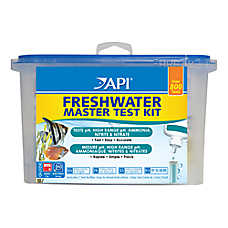
Water changes are especially important because they are the only way to remove nitrate that naturally builds up over time. Testing your water regularly helps you stay ahead of potential problems before your fish feel the effects.
Stocking Matters
Too many fish in one tank can lead to stress, aggression, and poor water quality. Different fish also have different social needs:
- Schooling fish (like tetras) need groups of six or more
- Territorial fish need space to claim as their own
Before adding new fish, check care guides and compatibility charts to make sure everyone will get along and have enough room.
Decorations & Natural Habitats
Fish feel safest when their environment reflects where they come from in the wild.
For example:
- Neon tetras originate from the Amazon’s Rio Negro and prefer darker water, driftwood, leaf litter, and hiding spots
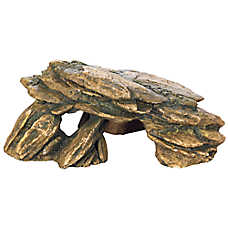
- African cichlids from Lake Malawi or Tanganyika thrive in tanks filled with rocky caves and structure
Mimicking a fish’s natural habitat helps them feel secure and often encourages more natural, confident behavior.
The Power of Live Plants
Live plants are a great addition to most aquariums:
- They help absorb excess nutrients
- Provide hiding spots and enrichment
- Create shaded areas, especially with floating plants
Plants, driftwood, and rocks (often called hardscape) also break up sightlines in the tank, which can reduce aggression and stress.
Substrate Choices
The bottom of your tank matters, too:
- Darker, natural substrates are generally less stressful
- Sand is ideal for bottom-dwellers like loaches, catfish, and some cichlids to protect their scales and gills
Friends & Family
Just like people, fish are happier when they’re living with compatible companions.
Many species—such as tetras and corydoras catfish—are social and do best in groups of six or more. Others prefer solitude or specific tank mates.
Before purchasing fish:
- Review compatibility charts
- Read species care guides
- Consider how many fish your tank can realistically support
While the old “one inch per gallon” rule is outdated, modern stocking calculators and expert advice can help you find the right balance.
Lighting
Aquarium lighting does more than help you see your fish—it sets their daily rhythm.
Fish need:
- A clear daytime period
- A consistent nighttime period of darkness
- Leaving lights on 24/7 can disrupt sleep cycles and cause stress. Most fish do well with about 12 hours of light and 12 hours of darkness. In brightly lit tanks, plants and décor that provide shade give fish a place to rest.
- Using a timer makes maintaining a consistent schedule easy.
Feeding Time
Watching fish get excited for food is one of the joys of fishkeeping. Feeding the right size and type of food helps keep them healthy—but variety adds enrichment, too.
Occasional treats like frozen brine shrimp or bloodworms:
- Add nutritional variety
- Encourage natural hunting behaviors
- Help bond with your fish
Feeding tip: Thaw frozen food in a cup of aquarium water and only offer what your fish will eat in about five minutes. When feeding frozen foods, it’s fine to skip their regular meal that day.
Enrichment: Keeping Life Interesting
Enrichment means giving your fish safe, engaging experiences that stimulate their natural behaviors without causing stress.
Simple enrichment ideas include:
- Adding a new decoration
- Rearranging existing décor
- Offering a new type of food
- Changing where or how food is delivered
- Adjusting filter flow
- Adding aquarium-safe leaves like Indian almond leaves
- Adding or removing floating plants
Some fishkeepers even teach goldfish to push balls or bettas to jump through hoops—but enrichment can be as simple as small changes that keep your fish curious and engaged.
A Calm Tank Is a Healthy Tank
Reducing stress isn’t about perfection—it’s about understanding your fish and creating an environment that meets their needs. With clean water, thoughtful tank design, compatible tank mates, and a little enrichment, your aquarium can be a peaceful, healthy home for your fish—and a calming centerpiece for you.
If you ever need help choosing fish, décor, plants, or supplies, chat with your local PetSmart associates to help you build the best tank possible.
Information in this article is not intended to diagnose, treat or cure your pet and is not a substitute for veterinary care provided by a licensed veterinarian. For any medical or health-related advice concerning the care and treatment of your pet, contact your veterinarian.