How to Aquascape: A Beginner's Guide to Creating an Underwater Landscape
In this Article
- What you'll need: Aquascaping shopping checklist
- Step 1: Set up your tank and add substrate
- Step 2: Create your hardscape with rocks and driftwood
- Step 3: Plant your live aquarium plants
- Step 4: Fill your tank and cycle before adding fish
- Step 5: Maintain your aquascape
- Frequently asked questions about aquascaping
- Shop fish supplies at PetSmart
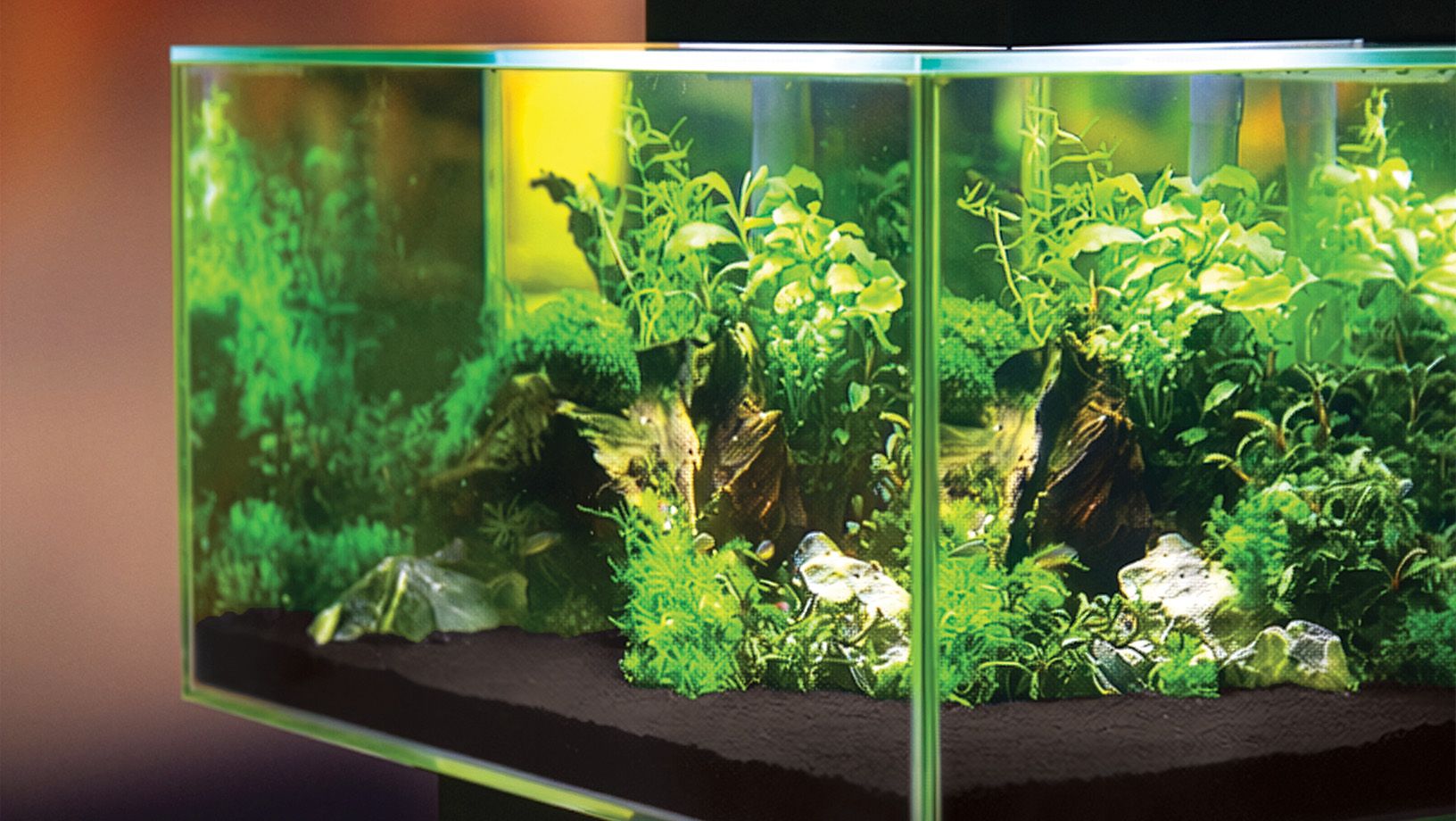
Aquascaping is the art of arranging aquatic plants, rocks, driftwood, and substrate to create a stunning underwater landscape. It transforms a simple fish tank into a living work of art that benefits both you and your fish. Whether you're drawn to lush planted jungles, minimalist rock gardens, or natural riverbed scenes, aquascaping offers endless creative possibilities.
More than just aesthetics, aquascaping creates a healthier environment for your fish. Live plants help maintain water quality by absorbing excess nutrients and producing oxygen. Natural hiding spots reduce stress and encourage natural behaviors. The result is a thriving ecosystem that's as beneficial as it is beautiful.
If you're new to aquascaping, don't worry. This guide walks you through everything from choosing the right aquarium to maintaining your underwater masterpiece. Let's get started.
What you'll need: Aquascaping shopping checklist
Before you start arranging décor and plants, gather these essential supplies:
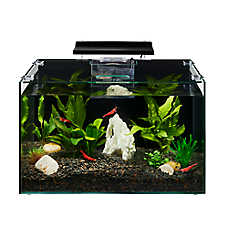
- Tank: Choose glass or acrylic. We recommend at least three gallons for your first aquascape, though larger tanks (10+ gallons) are easier to maintain and give you more creative space.
- Planted tank lighting: Essential for healthy plant growth. Look for full-spectrum LED lights designed for planted aquariums.
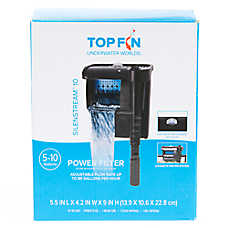
- Filter: Keeps water clean and circulating. Choose one rated for your tank size.
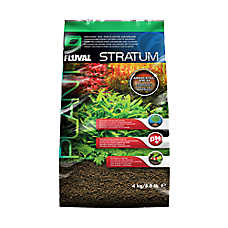
- Plant substrate: Specialized soil provides nutrients for rooted plants. Options like Fluval Plant Stratum support healthy root development.
- Hardscape materials: Rocks, stones, and driftwood create structure and focal points. Spider wood and mountain stones are popular choices for natural-looking layouts.
- Accent gravel: Optional top layer to cap substrate or create visual interest in specific areas.
- Live plants: Select a mix of foreground, midground, and background plants. Include some that attach to décor like Anubias.
- Water care products: Dechlorinator and beneficial bacteria help establish a healthy aquarium cycle.
- Test kit: Monitor ammonia, nitrite, nitrate, and pH levels during cycling and ongoing maintenance.
- Aquascaping tools: Long tweezers, scissors, and a substrate leveler make planting and maintenance easier.
Step 1: Set up your tank and add substrate
Start with a clean, empty tank placed on a level surface away from direct sunlight. Rinse your substrate and gravel in a bucket until the water runs clear. This removes dust that can cloud your water.
Pour plant substrate into the tank, creating a slight slope from back to front. Aim for about two inches deep at the back and one inch at the front. This slope adds depth and makes the aquascape look more natural. It also helps debris settle at the front where it's easier to remove during maintenance.
If you're using accent gravel, set it aside for now. You'll add it after placing your hardscape and plants to avoid disturbing your layout.
Step 2: Create your hardscape with rocks and driftwood
Hardscape refers to the “hard” materials that create the backbone of your aquascape. Typically, rocks or wood, hardscape can also include more whimsical decorations. It provides structure, creates focal points, and gives your fish places to explore. Position your largest pieces first to establish the main layout.
Follow the “rule of thirds” for a balanced, professional look. Imagine your tank divided into an evenly spaced grid with two vertical lines and two horizontal lines. Place key elements where these lines intersect rather than dead center. This creates visual interest and feels more natural.
Arrange stones in odd-numbered groups (three or five works well). Vary the sizes but keep them similar in color and texture for harmony. Bury the bottom third of each rock in the substrate so they look grounded, not just placed on top.
If you're using driftwood, soak it in a bucket for a few days beforehand to remove tannins and help it sink. Position driftwood pieces at angles to create depth. You can also attach them to weights like rocks with fishing line if needed.
Step back and view your hardscape from different angles. Take photos from the front to see how it will look once the tank is filled. Make adjustments to your placement now, because it's much harder to move things once plants and water are in place.
Step 3: Plant your live aquarium plants
Live plants bring your aquascape to life while improving water quality and providing shelter for your fish. Think in layers: foreground, midground, and background plants create depth and visual interest.
Background plants go along the back and sides. These are typically tall, fast-growing species that help hide equipment and create a lush backdrop. Plant them in groups for a fuller look.
Midground plants fill the middle area around your hardscape. These medium-height plants soften the transition between tall background plants and shorter foreground plants.
Foreground plants carpet the front of the tank. Choose low-growing species that won't block your view of the rest of the aquascape. Space them about an inch apart so they have room to spread.
Some plants like Anubias and Java fern grow best when attached to rocks or driftwood rather than planted in substrate. These plants have a rhizome, a thick modified stem that stores nutrients. Use cotton thread or super glue gel to secure the rhizomes to your hardscape. Don't bury the rhizome, or the plant may rot.
Use long tweezers or planting tools to position plants in the substrate. Gently push roots down about an inch deep. If plants float up, add a small rock or aquarium-safe weight at the base until roots establish.
Leave open swimming space in the middle or front of your tank. Your fish need room to move, and you need clear viewing areas to enjoy your aquascape.
Step 4: Fill your tank and cycle before adding fish
Now it's time to add water without disturbing your carefully arranged plants and décor. Place a clean plate or shallow dish on the substrate. Pour water slowly onto the plate so it disperses gently. This prevents substrate from clouding and plants from uprooting.
Fill the tank to about an inch below the rim. Use dechlorinated water or add water conditioner as you fill. Install your aquarium filter and heater according to manufacturer instructions.
Turn on your equipment and let the tank cycle before adding fish. Cycling establishes beneficial bacteria that convert toxic ammonia from fish waste into less harmful substances. This process typically takes four to six weeks. For more information on cycling, check out the Setting Up An Aquarium guide.
Add beneficial bacteria starter according to package directions to speed up the process. Use your water quality test kit to monitor ammonia, nitrite, and nitrate levels. The tank is cycled when ammonia and nitrite read zero and nitrate is present but low (below 20 ppm). Once the tank is fully cycled, you can add fish gradually.
Start with just a few fish and wait a week before adding more. This prevents overwhelming the beneficial bacteria colony.
Step 5: Maintain your aquascape
Regular maintenance keeps your aquascape healthy and beautiful. The good news is that planted tanks often need less maintenance than non-planted tanks once established!
Weekly tasks:
- Check plant growth and trim overgrown stems with aquascaping scissors
- Remove any dead leaves or algae buildup
- Perform a 10-20% water change using dechlorinated water
Biweekly tasks:
- Test water parameters (ammonia, nitrite, nitrate, pH, alkalinity)
- Clean filter intake and check filter media
- Vacuum any debris from substrate surface
Monthly tasks:
- Trim fast-growing plants to maintain your design
- Thin out plants that have multiplied too much
- Add liquid fertilizer or root tabs if plant growth slows
Watch for algae, especially in the first few weeks. Small amounts are normal, but if algae takes over, reduce lighting duration to 6-8 hours daily and increase water changes. Avoid overfeeding your fish, as excess food fuels algae growth.
As plants grow, you may want to replant cuttings or rearrange elements. That's part of the fun of aquascaping. Your underwater landscape evolves over time, and you can adjust it as you learn what works best for your tank and preferences. For more information on the plants, check out How to Grow Aquatic Plants for Your Tank.
For an in-depth guide to maintaining your fish tank, check out our Aquarium Maintenance Guide.
Frequently asked questions about aquascaping
Can I aquascape a small tank?
Yes, you can aquascape any size tank. Smaller tanks require more frequent maintenance and careful plant selection since overgrowth happens faster. A five-gallon tank works well for beginners, giving you enough space to practice layout principles without overwhelming maintenance needs.
Do I need CO2 injection for planted tanks?
Not necessarily. Many plants thrive without added CO2, especially low-light species like Anubias, Java fern, and moss. If you want to grow demanding plants or achieve faster growth, CO2 systems help, but they're optional for beginners. An easier option for adding a carbon source to your tank is dosing Flourish Excel according to the label.
How long should I leave aquarium lights on?
Start with 6-8 hours daily and adjust based on plant and algae growth. Consistent timing matters more than duration. Use a timer to maintain a regular light schedule, which helps plants and fish establish natural rhythms.
What fish work best in aquascaped tanks?
Choose fish that won't uproot plants or eat them. Small schooling fish like tetras and rasboras work beautifully. Shrimp and snails make excellent tankmates that help control algae. Avoid large, aggressive fish or species known for digging.
How often should I fertilize aquarium plants?
Start with a balanced liquid fertilizer once or twice weekly, following package directions. Plants in nutrient-rich substrate may not need frequent fertilizing at first. Watch for yellowing leaves or slow growth, which can indicate nutrient deficiencies.
Can I rearrange my aquascape after it's planted?
Absolutely. Aquascaping is an evolving art. As you gain experience, you'll develop new ideas and preferences. Moving hardscape requires removing water and temporarily housing fish, but repositioning plants is straightforward. Just replant them the same way you did initially.
What if my plants aren't growing well?
Check your lighting first. Insufficient light is the most common reason for poor plant growth. Test water parameters to ensure they're in the proper range. If everything looks good but plants still struggle, they may need more nutrients. Add liquid fertilizer or root tabs as needed.
Shop fish supplies at PetSmart
Need supplies for your aquascape? PetSmart also carries fish food, tanks & aquariums, starter kits for fish, and water quality tests, as well as a variety of live fish such as goldfish, betta fish and koi and pond fish.
PetSmart offers convenient shopping with Curbside Pickup or in-store pickup. Need something today? We have select items available for Same-Day Delivery in most areas powered by DoorDash. For items you purchase frequently, PetSmart has Autoship that automatically delivers the items you want to your door as often as you’d like. Check the website to see which items are eligible.
Information in this article is not intended to diagnose, treat or cure your pet and is not a substitute for veterinary care provided by a licensed veterinarian. For any medical or health-related advice concerning the care and treatment of your pet, contact your veterinarian.
In this Article
- What you'll need: Aquascaping shopping checklist
- Step 1: Set up your tank and add substrate
- Step 2: Create your hardscape with rocks and driftwood
- Step 3: Plant your live aquarium plants
- Step 4: Fill your tank and cycle before adding fish
- Step 5: Maintain your aquascape
- Frequently asked questions about aquascaping
- Shop fish supplies at PetSmart