
The Truth About Dog Bones
In this Article
Many dog parents consider a bone to be the ultimate treat for their canine companion. After all, dogs and bones go together like mice and cheese or cats and catnip, right?
Though your dog may love gnawing on bones, giving your pup the wrong kind of bone can lead to some serious consequences. That’s why it’s important to understand the different types of bones you’ll see in the dog food aisle at your pet supply, to know which ones will promote your pup’s health – and which may put your dog at risk.
Why dogs love bones
Chewing on a dog bone is one of your pup’s greatest pleasures for several reasons.
- An instinct to chew: Chewing is a natural behavior for your dog that’s passed down from its wild ancestors who gnawed on bones to nourish their bodies and protect their teeth. Satisfying this instinct is important to your dog’s mental and physical well-being. Chewing on bones or puppy teething toys can also help keep puppies in the teething phase from chewing on shoes and furniture.
- Oral health: Chewing can help clean your dog’s teeth, reduce plaque buildup, massage sore gums and promote healthy teeth and gums.
- Mental stimulation: The act of chewing helps keeps your dog engaged, reducing boredom and alleviating anxiety.
- Stress relief: When your pup chomps on a bone, endorphins are released which help provide a natural sense of calm and relaxation. This can be especially helpful for dogs who are experiencing stress and anxiety.
- Nutrition: Many bones contain marrow that provides an additional source of essential minerals, vitamins and fat.
- Satisfying hunger: Bones can help control your dog’s hunger between meals. Chewing on bones can be especially helpful when your pup is on a diet, since this activity curbs their appetite without adding additional calories.
The dangers of dog bones
Despite the mental and physical benefits of chewing on bones, there are a number of serious health risks as well.
- Choking: Chewing on a bone can become a life-threatening situation when small fragments become lodged in your dog’s throat, causing it to choke.
- Internal injuries: When sharp fragments cause tears or get stuck in the esophagus, stomach or intestines, it can lead to serious injuries or infections, possibly requiring surgery.
- Broken teeth: Hard bones may crack or break your dog’s teeth. In addition to causing great pain, broken teeth may lead to infections and other dental problems that require costly extractions and procedures.
- Contamination: Raw bones often carry bacteria like E. coli or Salmonella which may put both your dog and humans in your house at risk.
Types of dog bones
Here are some pointers on the different types of dog bones and the risks they pose for your dog’s health.
- Cooked bones should never be given to dogs, as these are most likely to splinter. Cooked chicken and cooked turkey bones are especially dangerous, since they are small enough to get lodged in the throat.
- T-bones are dangerous because of their shape, which allows them to get stuck in a dog’s throat more easily.
- Small bones also present a choking hazard and may cause trauma to a dog’s mouth and intestinal tract if swallowed.
- Pork bones should be avoided, since they splinter and crack easily.
- Circular bones can become stuck in a dog’s lower jar. Since this can be a terrifying experience for your pup, sedation is usually required to free the bone.
- Large, raw bones from a butcher are considered “safer” than other types of bones. They should be large enough that your dog can’t swallow them whole, and they should have bulges or lumps on both ends to prevent swallowing. Raw bones can still splinter, cut your dog’s gums or break its teeth, so constant supervision is a good idea.
Alternatives to real bones
To satisfy your pup’s desire to chew, consider these alternative dog bone products.
- Dental chews: Dental chews are specifically designed to promote dental health, helping to clean your pup’s teeth and freshen its breath.
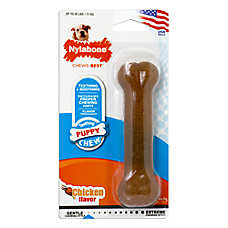
- Chew toys: Durable chew toys made from rubber or nylon provide a safer option to dog bones while still offering a satisfying chewing experience.
- Frozen treats: Frozen dog treats like frozen peanut butter offer your pup a long-lasting, enjoyable chew. Frozen treats are also great for puppies who are teething.
- Carrots: Carrots have a crunchy texture that can help clean teeth, massage gums and promote dental health. Plus, they’re low in calories and high in vitamins, making them a healthy and nutritious dog treat.
- Dried chicken or fish: These high-protein, low-fat dog treats offer a healthy alternative to traditional dog bones.
- Pig ears: Pig ears are softer than bones, reducing the risk of dental damage. They offer a natural and flavorful chew that dogs find irresistible.
- Bully sticks: These popular chew treats are made from the penis of a bull or steer and offer a safe and healthy chewing option for dogs.
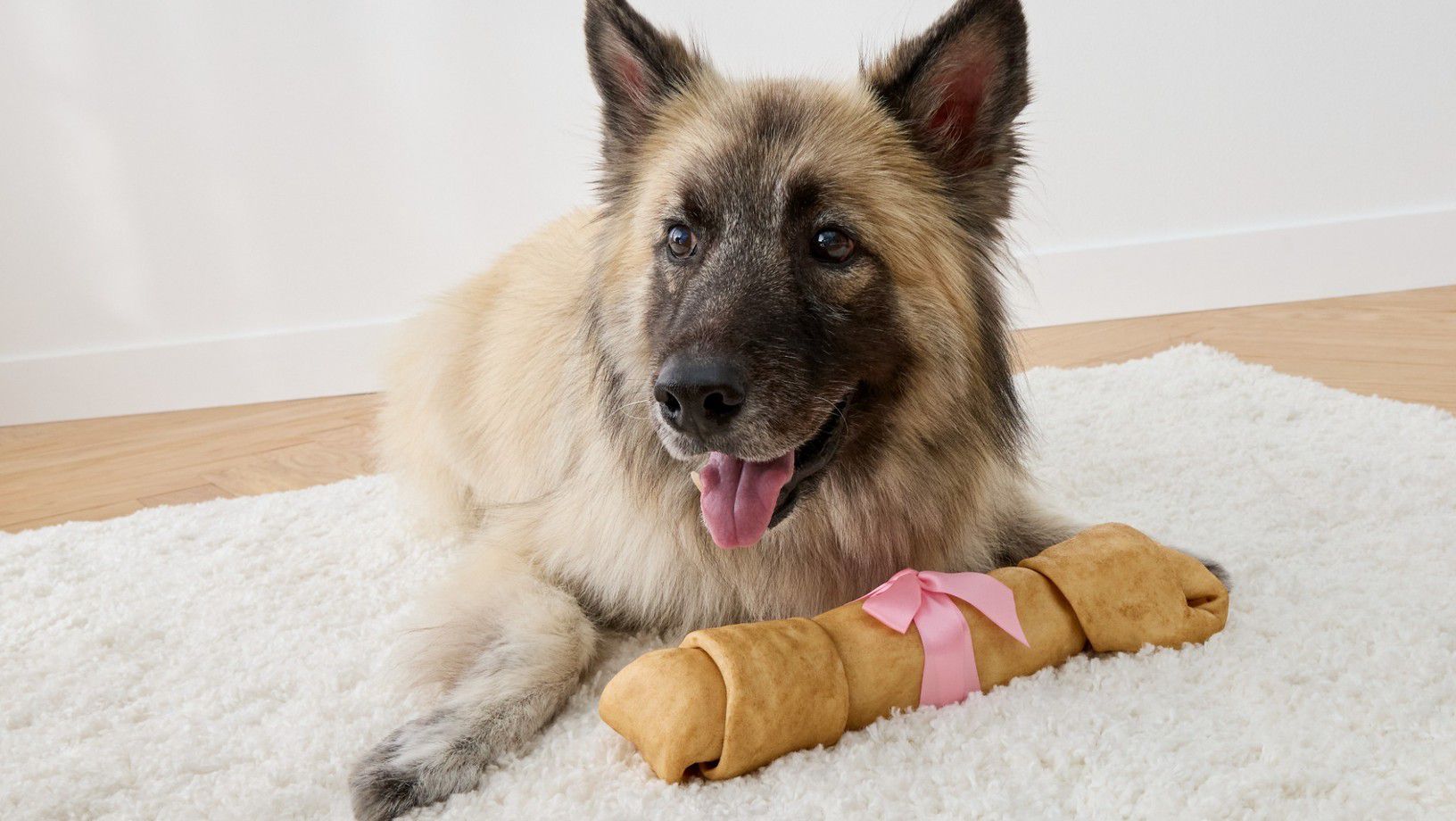
- Rawhide: Rawhide chews are another popular alternative, providing a satisfying texture that many dogs enjoy. These chews can help reduce plaque buildup on your dog’s teeth, making them a functional treat. It is important to supervise your dog while they chew rawhide as they can pose choin
Safety tips for giving dog bones
If you choose to give your dog a real bone, observe these safety tips to reduce the risk of injury or illness.
- Choose the right bone: Raw, non-weight-bearing bones from large animals are best. Never give a dog a cooked bone, as it may splinter and cause injuries. Avoid weight-bearing bones from large animals, since they are more likely to crack your dog’s teeth.
- Choose the right size: Ensure the bone is large enough that your dog cannot swallow it whole or fit it completely into its mouth.
- Keep an eye out: When giving a raw bone, always supervise your dog and intervene quickly if the bone breaks into smaller pieces or your dog starts to choke. Watch for any digestive distress, dental issues, vomiting, diarrhea or difficulty eating.
- Inspect the bone frequently: Check the bone for signs of splintering or excessive wear and discard it if it starts to break up or develop sharp edges.
- Limit chewing time: To prevent dental damage, limit your dog to 10 or 15 minutes of chewing. Consider giving bones after a meal, when your pup is already full and less likely to chew as vigorously.
- Refrigerate: Store raw bones in the refrigerator or freezer to prevent any bacterial growth. Discard bones that have been chewed on for more than a couple of days.
- Get your vet’s opinion: Before introducing raw bones to your dog, check with your veterinarian to get their perspective and advice.
- Keep clean: Wash your hands thoroughly after handling raw bones to prevent bacteria from spreading.
FAQs
Can I give my dog cooked bones?
No. Cooked bones are more likely to splinter and cause internal injuries or choking. Always opt for raw bones or safer alternatives.
How often can I give my dog a bone?
It depends on the type of bone and your dog's chewing habits. Consult with your veterinarian for personalized recommendations, but generally, bones should be given as an occasional treat rather than a daily item.
What should I do if my dog swallows a bone?
If your dog swallows a bone, monitor them closely for signs of distress, such as vomiting, gagging or abdominal pain. Contact your veterinarian immediately for advice and potential treatment.
Can bones help with my dog's bad breath?
Chewing on bones or dental chews can help reduce plaque buildup, which may improve bad breath. However, a veterinarian should evaluate persistent bad breath as it could indicate underlying health issues.
Can all dog breeds safely chew bones?
Some breeds may be more prone to dental issues or have different chewing styles. Always consider your dog's individual needs.
How long should I let my dog chew on a bone?
Supervise chewing sessions and remove the bone after about 10-15 minutes.
Are antlers safe alternatives to bones?
Antlers can be very hard and may crack teeth. Use caution and consult your vet before offering them.
Need other dog supplies while you’re shopping for things to chew on? PetSmart also carries dog food, dog treats, dog toys, dog beds, collars and leashes and harness, and much more.
Information in this article is not intended to diagnose, treat or cure your pet and is not a substitute for veterinary care provided by a licensed veterinarian. For any medical or health-related advice concerning the care and treatment of your pet, contact your veterinarian.