Sign up, earn points, get treats
Enable accessibility

The Joy of Taking Your Dog Outdoors
In this Article
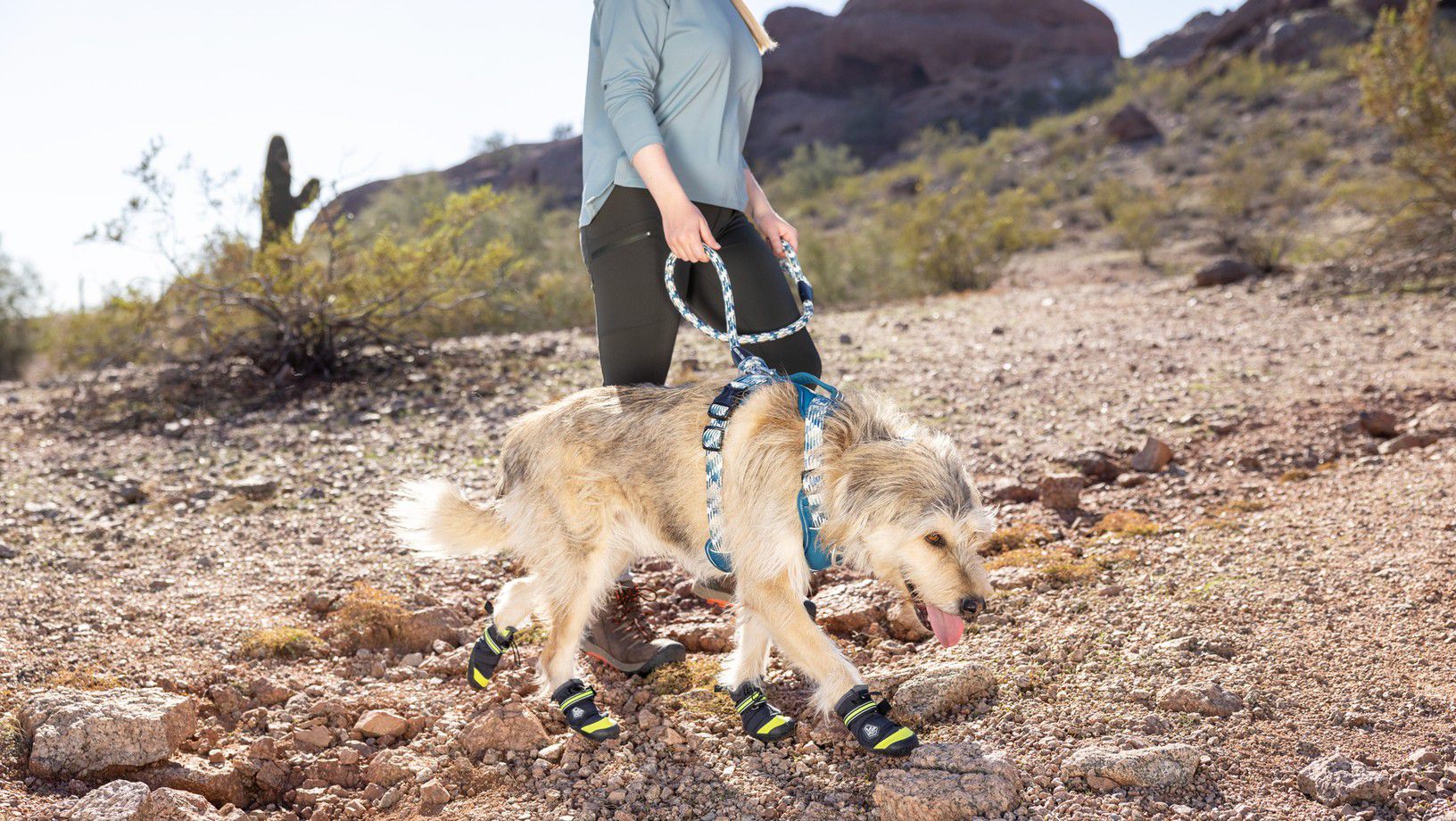
Taking your dog outdoors is one of the best ways to bond and have fun together. Whether you’re hiking on scenic trails, camping under the stars or enjoying a day at the park, these adventures give you both a chance to stay active and enjoy the beauty of nature.
Before venturing with your dog outdoors, be sure your puppy is ready for new experiences and that you have all the gear you need to keep your dog safe and healthy while you’re away from home.
The benefits of taking your dog outdoors
Getting outside with your dog has tons of benefits for both of you.
- Physical exercise: Activities like walking and hiking help to keep your dog fit and healthy. Regular exercise is important for maintaining a healthy weight, building strong muscles and enhancing overall health.
- Mental stimulation: The great outdoors is full of new sights, smells and sounds that will keep your dog engaged. This kind of mental stimulation helps to prevent boredom and avoid unwanted behaviors at home.
- Time for bonding: Exploring the world with your dog outdoors strengthens the bond between the two of you, creates lasting memories and deepens your connection.
- Socialization: Being outside gives your pup a chance to meet new people and other dogs – an excellent opportunity to socialize and learn to behave well in different situations.
- Stress relief: Nature has a calming effect on both people and dogs. Fresh air, beautiful scenery and physical activity all combine to help reduce stress.
Getting ready for outdoor adventures
Follow these suggestions to be prepared before you head with your dog outdoors for a hike or camping trip.
- Check the rules: Not every park, trail or campsite will welcome dogs, so it’s important to check the rules before you go. Find out if there are any leash laws or other restrictions in the areas you plan to visit.
- See the vet: Make sure your dog is healthy and up to date on dog vaccinations and dog flea and tick prevention. Your vet may also recommend other precautions to keep your dog safe, depending on where you’ll be traveling.
- Pack essentials: When taking your dog outdoors, you’ll want a sturdy dog leash and collar, portable dog bowls for food and water, bags for dog waste and enough dog food and treats. Depending on how remote and rough your adventure will be, you may also want to take a first-aid kit and paw protection like booties or wax to protect paw pads.
- Get your pup in shape: If your dog isn’t used to long hikes, start with shorter walks and gradually increase the distance. This will help build up their stamina and toughen their pads.
Tips for hiking with your dog
Hiking is a great way to explore nature with your pup, but it’s important to do some planning before you take your dog outdoors.
- Start early: Hiking early in the day will help avoid the heat and make sure you have plenty of time to finish the trail before it gets dark.
- Use a leash: Even if your dog is well behaved, it’s safer to keep them on a leash than to let them roam free on the trail. This will protect them from wildlife, prevent them from getting lost and respect the needs of other hikers and animals.
- Stay hydrated: Regular hydration for dogs is essential when hiking, especially if it’s hot.
- Watch for fatigue: Dogs can get tired and overheated on tough hikes. If your dog starts panting heavily, drooling or slowing down, it’s time for rest.
- Stick to the trail: Letting your dog wander off the trail can disturb wildlife and plants. It’s important to always clean up after your dog to keep the trail nice for others.
Camping with your dog
Taking your dog camping can be loads of fun, but it requires a little extra prep—especially in colder climates.
- Pick a dog-friendly campsite: Not all sites allow dogs, so be sure to check ahead. Look for sites with amenities like off-leash areas or nearby trails.
- Set up a cozy camp: When setting up camp, create a safe and comfy space for your dog. This could be a spot in your tent or a shaded area where they can relax in a dog carrier or dog tent. In colder temps, add extra insulation like a foam pad, blanket, or insulated mat beneath them.
- Dress for the elements: Cold weather camping calls for proper gear. A warm, well-fitted dog coat and waterproof booties can protect against wind, frostbite, and icy terrain. Look for booties with traction to prevent slipping on snow or frozen ground.
- Fuel for warmth: Dogs burn more calories in cold weather just to stay warm. Pack extra dog food and increase portions if your pup is active outdoors for long periods. High-protein treats are also helpful for quick energy.
- Watch for cold-related issues: Keep an eye out for signs of frostbite (pale or grayish skin, especially on ears, paws, or tail) and hypothermia (shivering, lethargy, weakness). If you notice any of these signs, get your dog warm immediately.
- Security first: Use a leash, tie-out or portable dog pen to keep your dog safe at the campsite. This helps prevent them from wandering off or getting too close to hazards like campfires.
- Nighttime safety: At night, make sure your pup is comfortable and secure inside the tent. A reflective collar or LED light will help you keep track of them in the dark.
- Maintain mealtimes: Feed your pup at regular times and bring dog treats to reward good behavior. Be sure to store food safely to avoid attracting wildlife.
Safety when taking your dog outdoors
Safety is the top priority whenever you take your dog outdoors.
- Protect against pests: Use flea, tick and mosquito prevention to keep your dog safe from common outdoor pests.
- Watch the weather: Check the forecast before you go and avoid extreme temperatures. Be prepared for sudden changes in weather.
- Stay hydrated: Always carry enough water for both of you and offer water often, especially if it’s hot or if the hike is strenuous.
- Know the signs of trouble: Learn to spot signs of heat stroke, dehydration and exhaustion in your dog. If you see any of these signs of distress, stop and rest immediately.
- Be safe around water: If you plan to swim while you’re outside, be sure to review dog water safety guidelines to keep your pup safe in rivers, lakes and oceans.
FAQs.
Can all dogs go hiking and camping?
Most dogs can enjoy hiking and camping, but it depends on their age, breed and health. Older dogs, puppies or dogs with health issues might need shorter, easier hikes and more rest.
How do I know if my dog is ready for a long hike?
Start with shorter walks and gradually increase the distance. If your dog handles longer walks well without getting tired or sore, they’re probably ready for a hike.
What if my dog doesn’t like camping?
Some dogs might not enjoy camping or hiking, especially if they’re not used to being outside for long periods. Start with short trips to see how your dog reacts. If they seem stressed or uncomfortable, you might want to stick to shorter outdoor activities.
Need other supplies while you’re shopping for outdoor supplies? PetSmart also carries dog food, dog beds, dog treats, leashes & harnesses, flea & tick meds and more. Explore PetSmart’s Dog Shop to find everything your pup needs, all in one place.
PetSmart also offers services such as dog grooming services, expert dog training, safe and comfortable PetsHotel stays, and Doggie Day Camp for your pup to play and socialize. Services are available in select locations—check your local PetSmart to see what’s offered near you.
PetSmart offers convenient shopping with Curbside Pickup or in-store pickup. Need something today? We have select items available for Same-Day Delivery in most areas powered by DoorDash. For items you purchase frequently, PetSmart has Autoship that automatically delivers the items you want to your door as often as you’d like. Check the website to see which items are eligible.
Information in this article is not intended to diagnose, treat or cure your pet and is not a substitute for veterinary care provided by a licensed veterinarian. For any medical or health-related advice concerning the care and treatment of your pet, contact your veterinarian.
Shop this article





Related articles