
The Health Benefits of Dog Toothpaste
In this Article
Dog toothpaste is the secret weapon in the battle to keep your pup’s pearly whites clean and their tail wagging. Nobody loves stinky doggy breath or surprise vet bills for dental issues. You can promote good dental health, save money and enjoy clean-smelling breath by brushing your dog’s teeth regularly with a safe, tasty pet toothpaste. The best part? Dog toothpaste comes in flavors like chicken and peanut butter that your pup will love.
Why dental care is important for dogs.
Good dental care isn’t just about fresh breath (though that’s a big bonus). Neglecting your dog’s teeth can lead to plaque buildup, gum disease, tooth loss and even infections that spread to major organs. That’s why it’s important to learn about dental health for dogs and get some routines in place early on. Brushing with dog toothpaste keeps their teeth clean and gums healthy, and it’s a big part of giving your pup a happier, healthier life.
What makes dog toothpaste different?
Dog toothpaste is specially designed to meet your pet’s needs, and it’s worlds apart from the minty stuff humans use:
- Non-toxic ingredients: Human toothpaste contains things like xylitol and fluoride, which can be dangerous or even deadly for dogs. Pet toothpaste skips these harmful ingredients.
- Dog-friendly flavors: Think chicken, beef, peanut butter, or vanilla mint. These flavors turn brushing from a chore into a treat for your dog.
- Safe to swallow: Dogs don’t spit, so their toothpaste is made to be safely ingested without upsetting their tummy.
Types of dog toothpaste.
Dog toothpaste isn’t one-size-fits-all. Here’s a look at the different options available:
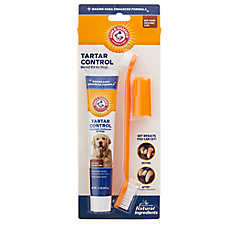
- Enzymatic toothpaste: Packed with enzymes that fight plaque and bacteria, this is a great choice for dogs with tartar issues. It does some of the hard work for you while your dog enjoys the taste.
- Natural toothpaste: These are made with plant-based ingredients and are perfect for pet parents who prefer an all-natural approach. They’re gentle but effective.
- Dental gels: These easy-to-apply gels can be rubbed directly onto your dog’s teeth. They’re a great option if your dog isn’t a fan of brushing.
How to choose the right toothpaste for your dog.
Picking the right dog toothpaste will help make toothbrushing a more pleasant activity for you and your pup.
- Check for safety: Always go for a toothpaste labeled specifically for dogs. Avoid any product with xylitol or fluoride – these ingredients can be dangerously toxic for your furry friend.
- Flavor preference: Does your dog go crazy for peanut butter? Are they a chicken fan or a lover of London broil? Choose a flavor you know they’ll love to make brushing a breeze.
- Special needs: If your dog struggles with tartar, opt for an enzymatic toothpaste. For sensitive gums, a natural or soothing formula may work best.
- Ask your vet: When in doubt, your vet can recommend a toothpaste that’s perfect for your dog’s needs. A toothpaste approved by the Veterinary Oral Health Council (VOHC) is always a good bet.
How to brush your dog’s teeth.
Learning how to brush your dog’s teeth and getting your dog comfortable with a brushing routine can take a little time.
- Start slow: Let your dog sniff and taste the toothpaste first. Use your finger to rub a little on their teeth before introducing a toothbrush.
- Get the right tools: Choose a soft-bristled brush or a finger brush for easy handling.
- Pick a good time: Brush when your dog is calm, like after a walk or playtime. A relaxed dog is a cooperative dog.
- Start small: Begin with just a few teeth and gradually work your way to the whole mouth.
- Brush gently: Gentle brushing is more effective and less likely to upset your pup. Use circular motions and focus on the outer surfaces of the teeth. Don’t stress about the inside surfaces – the tongue often keeps those fairly clean.
- Build a routine: Consistency is key. Try to brush at least 2-3 times a week for the best results. Brushing at the same time every day creates predictability, which can calm your dog.
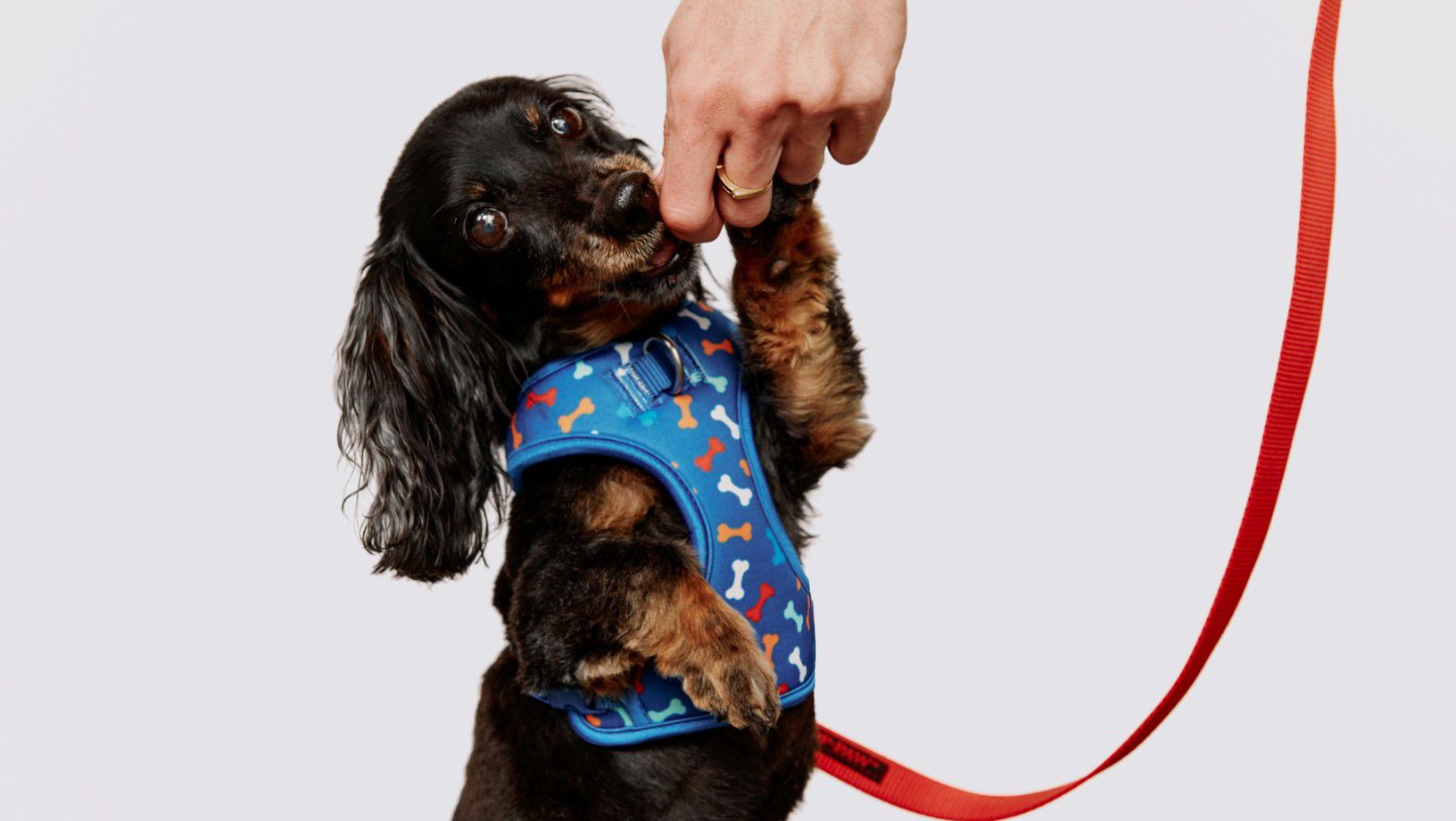
- Reward them: Give lots of praise, pets and maybe a treat when you’re done. Positive reinforcement makes them look forward to the next session.
- Try alternatives: If brushing isn’t working, dental gels or sprays can still make a big difference.
Benefits of using dog toothpaste.
Regularly brushing with dog toothpaste comes with tons of perks:
- Plaque and tartar control: Brushing removes plaque before it hardens into tartar, keeping your dog’s teeth squeaky clean.
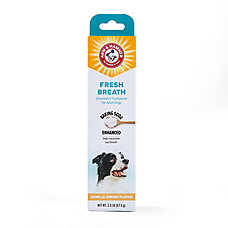
- Fresher breath: Put an end to distasteful ‘doggy breath’ with toothpaste that reduces odor-causing bacteria.
- Prevents tooth loss: Healthy gums and teeth mean fewer painful extractions and a happier dog.
- Better overall health: A clean mouth helps prevent infections that could spread to the heart, kidneys or other vital organs.
FAQs.
What can I use as toothpaste for my dog?
Always use pet toothpaste specifically made for dogs. Never use human toothpaste, as it can contain harmful ingredients like xylitol.
What toothpaste is best for dogs?
The best toothpaste for dogs is one that is VOHC-approved, safe and in a flavor your dog loves, like poultry or peanut butter.
Can I use human toothpaste on my dog?
No. Human toothpaste is not safe for dogs because it contains toxic ingredients like fluoride and xylitol.
What can I use to brush my dog’s teeth?
You’ll need a dog toothbrush and toothpaste to do the job safely and effectively. Finger brushes are also a great option for beginners.
How often should I brush my dog’s teeth?
Aim for 2-3 times a week, though daily brushing is even better.
Can puppy toothpaste be used on adult dogs?
Yes, puppy toothpaste is safe for adult dogs, but make sure it meets their specific oral health needs.
Are there natural alternatives to dog toothpaste?
Yes, some pet toothpaste brands use natural, plant-based ingredients for those who prefer a chemical-free option.
Is brushing necessary if my dog chews on dental dog treats?
Dental dog chews and treats help, but brushing is the gold standard for removing plaque and keeping teeth healthy.
What if my dog refuses to let me brush their teeth?
Introduce brushing gradually and use lots of positive reinforcement. You can also try dental gels or sprays as a backup.
Does dog toothpaste expire?
Yes, check the expiration date on the packaging and replace it when needed.
Is wet dog food bad for dental hygiene?
Wet dog food isn’t necessarily bad for dental hygiene, but it doesn’t help clean teeth like dry kibble might. Because it’s soft and doesn’t require much chewing, wet food can sometimes stick to teeth, which could add to plaque buildup. Regular brushing, dental chews or other dental care routines can help offset any potential problems caused by wet food.
Should I brush my puppies teeth during the teething phase?
Yes, you can brush your puppy’s teeth during the teething phase, but you’ll need to be gentle and patient. Their gums may be tender, so use a soft puppy toothbrush and a dog-safe toothpaste to make the experience comfortable. Starting a brushing routine early helps them get used to it and sets the foundation for healthy adult teeth.
Information in this article is not intended to diagnose, treat or cure your pet and is not a substitute for veterinary care provided by a licensed veterinarian. For any medical or health-related advice concerning the care and treatment of your pet, contact your veterinarian.