
Spring Outdoor Safety for Dogs: Hiking, Parks & Adventure Tips
In this Article
Warmer weather means longer walks, trail adventures, and more time at the dog park. Spring is one of the best seasons to get outside with your dog, but it also brings unique hazards that are easy to overlook when you’re excited to explore. This guide covers everything you need to know before heading out, from spring-specific risks to the right gear for a safe, enjoyable adventure with your pup.
Is your dog ready to hit the trail?
Before your first spring hike, take stock of your dog’s health and fitness. Winter inactivity can mean your pup isn’t quite ready for longer or more demanding trails. A few things to consider:
- Schedule a vet visit. A quick checkup helps confirm your dog is physically ready for increased activity. Your vet can also advise on vaccinations like leptospirosis, rabies, and Lyme, which are especially relevant for dogs spending time in wooded or wet areas.
- Build stamina gradually. Start with shorter, easier outings before working up to longer trails. Paw pads may also need time to toughen up after a quiet winter.
- Know your dog’s limits. Puppies, senior dogs, and flat-faced breeds like bulldogs and French bulldogs may need shorter routes and extra breaks. Puppies whose growth plates haven’t fully closed can be more vulnerable to joint strain from strenuous exercise.
- Update parasite prevention. Spring marks the start of flea and tick season. Make sure your dog’s flea and tick prevention is current before heading outdoors.
Spring-specific hazards to watch for
Spring brings beauty and a few hidden risks. Here’s what to keep on your radar:
Ticks and fleas
As temperatures warm, ticks and fleas become much more active. Ticks can carry conditions like Lyme disease and Rocky Mountain spotted fever, while fleas can also transmit diseases and are commonly found in areas where wildlife such as opossums or skunks are present. Mosquitoes, which become more active in warmer months, can transmit heartworm disease.
Check your dog thoroughly after every outdoor outing, paying close attention to ears, paws, between toes, and around the collar. Talk to your veterinarian about the best dog health and wellness plan for your pup.
Standing water
Puddles, ponds, and slow-moving streams that accumulate after spring rains can harbor leptospirosis, a bacterial infection that can cause serious kidney and liver issues in dogs. It’s also a zoonotic disease, meaning it can be passed to people. Standing water can also expose dogs to parasites and other harmful organisms. Keep your dog from drinking out of puddles or murky water, and bring fresh water from home on every outing.
Foxtails
These barbed grass seed heads are common in spring and early summer, particularly in the western U.S. They can easily lodge in your dog’s ears, nose, paws, or skin. Left undetected, foxtails can burrow deeper and cause serious internal damage. Inspect your dog carefully after any time in tall grass or brush.
Wildlife encounters
Spring is one of the most active seasons for wildlife. Snakes are emerging from winter dormancy, and animals with newborns are more territorial. Keep your dog on a leash, stay on marked trails, and be alert in areas known for wildlife activity.
Temperature swings
Spring days can shift from cool mornings to warm afternoons quickly. Dogs are susceptible to overheating even when temperatures don’t feel extreme, especially after a sedentary winter. Watch for heavy panting, slowing down, or seeking shade, and take breaks in cool spots when needed.
Muddy and unstable terrain
Melting snow and spring rain can make trails slippery or unpredictable. Muddy slopes, hidden ice patches, and loose gravel all increase the risk of slips and strains. Adjust your pace and stay on well-maintained paths whenever possible.
What to pack for a dog-safe hike
The right gear makes every outing safer and more comfortable. Here’s what to bring:
- Harness: A well-fitting harness distributes pressure more evenly than a collar and gives you better control on uneven terrain. Look for an adjustable, padded option with a secure clip. Browse dog harnesses at PetSmart to find the right fit for your pup.
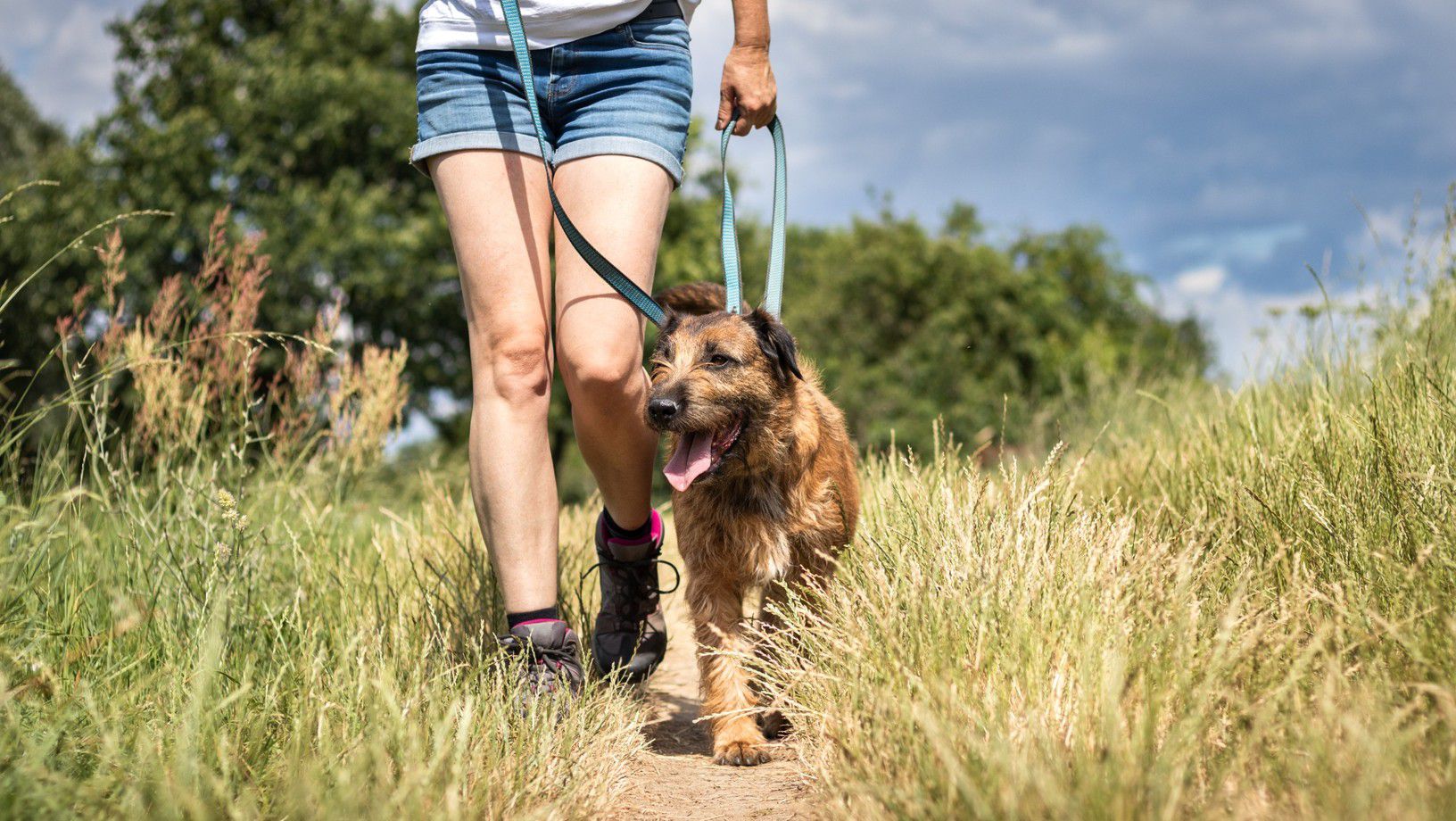
- Leash: A standard 4 to 6-foot leash works well for most trails. A hands-free or waist leash can be a great option if you need your hands free on trickier terrain.
- Water and bowl: Always bring fresh water from home. A portable, collapsible bowl makes it easy to offer your dog regular water breaks without taking up much pack space.
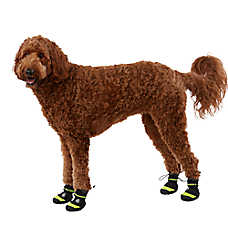
- Boots: Not every dog needs boots, but they can be helpful on rough, rocky, or muddy spring trails. Look for a pair with good grip and a secure fit. Shop dog boots and shoes at PetSmart.
- Dog first aid kit: Include gauze, antiseptic wipes, tweezers (for tick removal), and any medications your dog needs. Know the location of the nearest vet before you set out.
- Waste bags: Always clean up after your dog on trails and at parks. Pack more than you think you’ll need.
Dog park safety tips
Dog parks are a great outlet for social dogs, but they come with their own considerations. Keep these in mind:
- Check vaccination requirements before visiting. Most parks expect dogs to be up to date on rabies and other core vaccines.
- Make sure your dog has a reliable recall command before letting them off leash. The ability to respond to “come” even around distractions is essential for their safety.
- Watch your dog’s body language throughout the visit. Signs of stress or overstimulation are cues to take a break or head home.
- Avoid letting your dog drink from communal water bowls or shared water sources at parks, which can carry bacteria and parasites.
- Keep an eye on interactions. Not every dog at the park wants to play, and even friendly dogs can find themselves in tense situations.
Trail rules and etiquette
Being a responsible trail user protects the environment and keeps everyone safe:
- Know the leash rules. Many trails require leashes by law, particularly in wildlife-sensitive areas. Check trail-specific rules before you go.
- Stay on marked paths. Wandering off trail increases exposure to foxtails, wildlife, and unstable ground, and can disturb nesting animals.
- Yield to other hikers. Step aside and keep your dog close when others pass, especially on narrow paths.
- Pack out all waste. Leave no trace applies to your dog too.
Post-adventure checklist
After every outdoor outing, take a few minutes to check your dog over:
- Tick check: Run your fingers through your dog’s coat and check ears, between toes, around the collar area, and the groin. Remove any ticks promptly using tweezers.
- Paw inspection: Look for cuts, swelling, cracked pads, or embedded foxtails. Give paws a rinse to remove mud, salt, or debris.
- Clean up: A dog paw cleaner makes quick work of muddy paws after a spring hike.
- Monitor for signs of fatigue or soreness: Limping, lethargy, or reluctance to move after a hike may warrant a vet call, especially after a longer or more demanding outing than your dog is used to.
Frequently asked questions (FAQs)
How do I know if a trail allows dogs?
Check the land management agency’s website for the trail or park before you go. All Trails is a popular resource for filtering dog-friendly routes and checking specific leash rules.
Can I let my dog off leash on hiking trails?
Only in areas where it’s specifically permitted and your dog has a strong, reliable recall in distracting environments. Even then, keep them in sight and be prepared to leash them if other hikers or wildlife are nearby.
How much water does my dog need on a hike?
A general guideline is about one ounce of water per pound of body weight per day, with more needed during physical activity. Offer water breaks every 15 to 20 minutes on the trail, especially on warmer days.
What should I do if my dog gets a foxtail?
If you can see a foxtail lodged in your dog’s paw, ear, or skin and it’s accessible, carefully remove it with tweezers. If you’re unsure of the location, if your dog is pawing at their face or sneezing repeatedly, or if the area is swollen or inflamed, contact your veterinarian. Foxtails that migrate into the body require prompt medical attention.
Is it safe to let my dog swim in lakes or rivers in spring?
With some precautions, yes. Avoid stagnant or murky water, which may carry leptospirosis or blue-green algae. Before heading to a lake, check local advisories for algae blooms. Always rinse your dog off after swimming and discourage them from drinking from natural water sources.
What Arcadia Trail gear is best for spring hiking?
For spring conditions, a lightweight reflective harness or quick dry harness is a great starting point. Add all-terrain boots for rocky or muddy trails and a hands-free leash for flexible trail use. Browse the full Arcadia Trail® collection at PetSmart to gear up before your next adventure.
Need other supplies while you’re shopping for outdoor dog gear? PetSmart also carries dog food, dog beds, dog treats, leashes & harnesses, flea & tick meds and more. Explore PetSmart’s Dog Shop to find everything your pup needs, all in one place.
Information in this article is not intended to diagnose, treat or cure your pet and is not a substitute for veterinary care provided by a licensed veterinarian. For any medical or health-related advice concerning the care and treatment of your pet, contact your veterinarian.