Sign up, earn points, get treats
Enable accessibility

Should I Give My Dog Pumpkin For Constipation?
In this Article
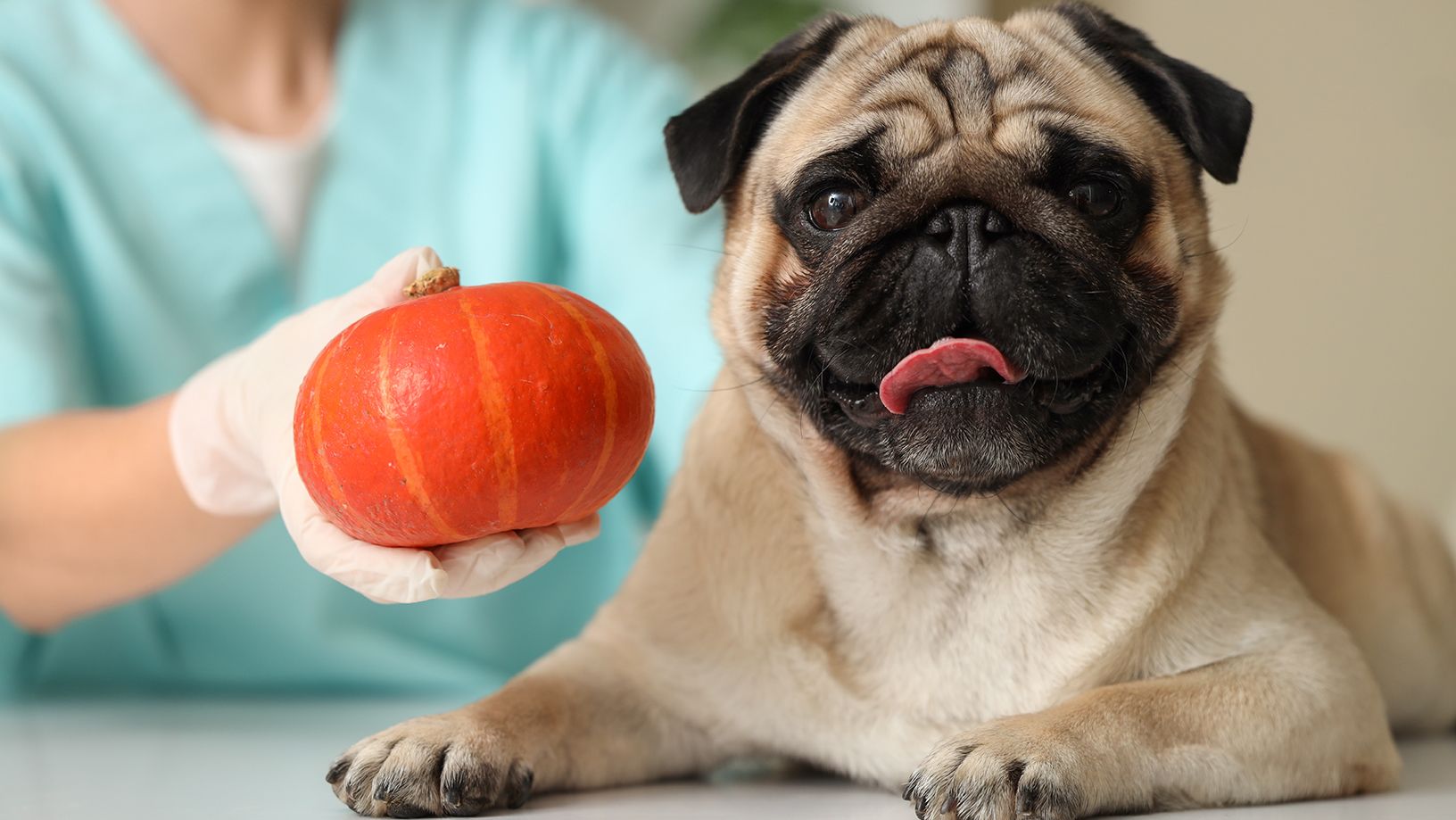
If you’ve ever wondered whether you should give your dog pumpkin for constipation, you’re in good company. Constipation isn’t fun for your pup, and it can leave you feeling worried when potty breaks aren’t going as planned. Luckily, pumpkin – that bright orange veggie we usually see in fall pies and porch displays – can sometimes be just the thing to help your dog’s digestion. Many vets and pet parents recommend it as a gentle, natural way to help your best friend feel more comfortable.
Uh-oh… is my pup constipated?
Constipation in dogs isn’t just about skipping a potty break. There are several little clues your pup might drop (sometimes literally!) that can let you know their tummy is out of sync. Here’s what to watch for if you think your dog might be having trouble.
- Infrequent bowel movements: Dogs usually have their own regular schedule, so if your pup hasn’t gone in more than a day or two, that’s worth noting. Even missing just one bathroom break can signal that things are slowing down in their digestive system.
- Straining or discomfort: A dog that crouches for long stretches without results may be constipated. You might also notice them pacing, whining or appearing restless because they feel the urge to go but can’t.
- Dry or hard stools: Normal stools should be formed but not rock-hard. If what you see looks like little pebbles or feels dry and crumbly, your dog’s digestive system might not be working smoothly. Passing these harder poops can also be uncomfortable for your pup.
- Loss of appetite or energy: When your dog’s digestion is off, it can affect their whole mood. Constipation may cause them to skip meals, turn away from treats or seem less interested in playtime and walks. These changes are often a subtle way of saying they’re not feeling their best.
Why pumpkin is a potty-time hero.
Pumpkin might look like just another veggie, but when your dog’s tummy is out of rhythm, it can play a starring role. One of the biggest reasons pet parents turn to pumpkin is its natural mix of fiber and moisture. Fiber helps bulk up your dog’s stool so it moves more easily through the digestive tract, while the high water content helps soften things along the way. Together, this combo makes it perfectly suitable to give your dog pumpkin for constipation.
Pumpkin does more than fix potty problems.
Pumpkin isn’t just a one-trick treat. While many pet parents reach for it to help ease constipation, its fiber content can also come to the rescue when things are moving a little too quickly. That’s right – pumpkin can help firm up stools during mild diarrhea, thanks to its ability to regulate digestion in both directions. Beyond bathroom benefits, pumpkin makes a nutritious snack all on its own. It’s naturally low in calories and fat, making it a great option for pups who love treats but don’t need the extra calories. Some pet parents even use pumpkin as a tasty food topper to add variety and a nutrient boost to mealtime. With vitamins A, C and E, plus minerals like potassium, pumpkin can support your pup’s immune system and overall wellness.
What kind of pumpkin works best?
When it comes to helping your dog’s tummy, not all forms are pumpkin are equally helpful. The easiest and most reliable option is canned pumpkin for constipation, since it’s smooth, ready to use and simple to mix into your pup’s regular meals. If you’d rather go the fresh route, home-cooked pumpkin works too – just be sure it’s soft, unseasoned and completely cooled before serving. Baking or steaming plain pumpkin is a good way to prepare it at home. What you’ll want to avoid is pumpkin pie filling, which often contains sugar, nutmeg and other spices that can upset your dog’s stomach.
Easy ways to serve pumpkin.
Adding pumpkin to your pup’s diet doesn’t have to be complicated. The simplest method is to mix the recommended portion right into their usual food. Most dogs don’t mind the mild taste, and it blends in smoothly with kibble or wet food. If your dog is a bit picky, you can get creative. Stir a spoonful into dog food as a topper or mix it with a little warm water to create a gravy-like drizzle. Some pet parents freeze plain pumpkin into ice cube trays for a refreshing snack on hot days, while others stuff it into puzzle toys or treat-dispensing feeders to turn digestion support into a playful activity. For extra variety, you can mix pumpkin with small bites of safe veggies like carrots for dogs or celery for dogs, turning snack time into a crunchy, healthy combo.
How much pumpkin is just right?
When you give your dog pumpkin for constipation, size really matters. Small dogs may only need about a teaspoon mixed into their regular meal, while medium to large dogs can often handle one to four tablespoons. Think of it like a sprinkle of help rather than a heaping scoop. It’s always smart to start with a small amount and gradually work your way up if needed. Pumpkin is full of fiber, and too much fiber all at once can upset your pup’s tummy in the opposite way – leading to loose stools or extra trips outside. Moderation is key, so keep it light and let your dog’s system adjust.
When pumpkin isn’t the fix.
Pumpkin is a great first step, but sometimes it isn’t enough. If your pup hasn’t had a bowel movement in more than two days or if you notice straining, whining or signs of pain, it’s time to call your veterinarian. Blood in the stool is another clear signal that your dog needs professional care right away.
Other gentle tips for relieving constipation.
When pumpkin alone isn’t enough, there are a few other simple habits that can make a big difference in keeping your pup’s digestion moving smoothly.
- Hydration helps: Fresh water is essential. Staying hydrated keeps stools soft and easier to pass.
- Movement matters: Exercise stimulates digestion naturally. Daily walks or playtime can work wonders for your pup’s tummy.
- Diet makes a difference: A balanced dog food with enough fiber supports long-term digestive health. If constipation is a recurring issue, talk to your vet about switching foods.
FAQs.
Is pumpkin good for dog constipation?
Yes! Pumpkin is often recommended as a gentle, natural way to help with constipation. Its fiber helps bulk up stools while its moisture keeps them soft, making bathroom breaks easier for your pup. Just remember to stick with plain pumpkin and the right portion for your dog’s size.
How much pumpkin do you give a dog that is constipated?
Small dogs can start with about a teaspoon of pumpkin, while larger dogs may need one to four tablespoons. Always start small and adjust slowly to see how your pup responds.
How long does it take for pumpkin to make dog poop?
For many pups, pumpkin can work within 24 hours, but every dog is different. If your dog is still struggling after two days, it’s time to call your veterinarian.
What are natural laxatives for dogs?
Pumpkin is one of the most popular natural options. Other choices your vet may suggest include adding safe, fiber-rich foods or increasing hydration. Always check with your vet before trying new remedies.
Can too much canned pumpkin cause constipation in dogs?
Yes. While pumpkin is usually helpful, too much fiber can have the opposite effect. Stick to the recommended amounts to avoid tummy troubles.
Is milk good for dog constipation?
Not really. While some pet parents wonder if milk might “loosen things up,” dairy can actually upset a dog’s stomach and lead to diarrhea or other tummy troubles. It’s best to avoid using milk and stick with safer options like pumpkin or vet-approved treatments.
Is yogurt good for dog constipation?
Sometimes. Plain, unsweetened yogurt may support healthy digestion because it contains probiotics, which can help balance gut bacteria. However, not all dogs tolerate dairy well, and too much can cause gas or loose stools. If you want to try it, offer only a small amount and check with your veterinarian first.
Are fruits safe for dogs?
Some fruits are perfectly safe and even healthy for pups, while others can be harmful. Apples, blueberries and watermelon without the seeds are a few examples of safe fruits. Grapes, on the other hand, are toxic and should always be avoided. When in doubt, check with your vet before sharing a fruity snack.
Can dogs have cheese?
Many dogs enjoy cheese as a tasty treat, but not all pups digest it well. Some dogs are lactose intolerant, so too much cheese can cause tummy upset. If you want to offer a nibble, choose small portions of plain, low-fat cheese and keep it occasional.
Can dogs have bananas?
Yes, bananas are safe for dogs in moderation. They’re a sweet, vitamin-rich snack that many pups love, but they are also higher in sugar, so small slices are best. Think of them as an occasional treat rather than a daily staple.
Need other dog supplies while you’re shopping for constipation treatments? PetSmart also carries dog food, dog beds, dog treats, leashes & harnesses, flea & tick meds and more. Explore PetSmart’s Dog Shop to find everything your pup needs, all in one place.
PetSmart also offers services such as dog grooming services, expert dog training, safe and comfortable PetsHotel stays, and Doggie Day Camp for your pup to play and socialize. Services are available in select locations—check your local PetSmart to see what’s offered near you.
PetSmart offers convenient shopping with Curbside Pickup or in-store pickup. Need something today? We have select items available for Same-Day Delivery in most areas powered by DoorDash. For items you purchase frequently, PetSmart has Autoship that automatically delivers the items you want to your door as often as you’d like. Check the website to see which items are eligible.
Information in this article is not intended to diagnose, treat or cure your pet and is not a substitute for veterinary care provided by a licensed veterinarian. For any medical or health-related advice concerning the care and treatment of your pet, contact your veterinarian.
Related articles