
How Cold is Too Cold for Dogs?

In this Article
When the first snowflakes fall, your dog might be wagging their tail at the door, ready for an adventure. But as a pet parent, you might be wondering – how cold is too cold for dogs? While some pups treat snow like their personal playground, others prefer a quick potty break followed by a cozy nap under the blanket. Knowing what’s too chilly (and what’s just fine) helps you keep every tail wagging all winter long. Cold weather doesn’t have to mean canceled walks or cabin fever – it just means finding the right balance between outdoor fun and indoor snuggles.
Some dogs are built for snow days.
Just like people, dogs have their own comfort levels when it comes to cold weather. Some pups are born to romp through the snow, while others prefer to admire it from the window. Understanding your dog’s breed, size and coat type can help you decide when the chill might be too much.
- Breed and coat type: Dogs with thick, double-layered coats – like Huskies, Samoyeds or Saint Bernards – were bred for frosty weather and usually handle the cold just fine. Meanwhile, short-haired breeds like Chihuahuas or Greyhounds don’t have as much built-in insulation. They’ll appreciate a little extra help from comfy sweaters or dog coats to stay warm.
- Size and weight: Small dogs and lean breeds lose heat faster than larger, stockier ones. A tiny terrier might start shivering long before a Lab even notices the temperature drop. Keep this in mind when planning walks or playtime in chilly weather.
- Age and health: Puppies, senior dogs and pets with certain medical conditions can be more sensitive to cold temperatures. They might tire out faster or need shorter outdoor sessions than healthy adult dogs.
- Color and coat density: Darker fur absorbs more warmth from the sun, while lighter coats reflect it. If your pup has a light or thin coat, they may get chilly sooner – even on mild winter days.
Every dog is unique, so pay attention to their behavior and body language. When in doubt, keep outdoor time short and bring on the cozy blankets.
Weather plays a role, too.
Even the toughest snow-loving dog can feel the chill when the weather turns extreme. It’s not just the number on the thermometer that matters – factors like wind, moisture and sunlight all affect how cold it really feels. Knowing what kind of day you’re dealing with helps you decide when it’s safe for your pup to play outdoors and when it’s better to curl up inside instead.
- Wind chill: A strong breeze can make even mild temperatures feel icy. Cold wind cuts through fur and cools your dog’s body faster, especially for small or short-haired breeds. If it’s too blustery for your face, it’s likely too cold for your pup’s paws.
- Moisture and snow: Wet fur loses its insulating power, so dogs who get damp from rain or snow will feel colder much faster. Dry them off thoroughly after walks or snow play to keep them warm and comfy.
- Sunshine or shade: A sunny day can make chilly air feel surprisingly pleasant, while cloudy skies or shady spots drain warmth away. If your pup’s hanging out in the yard, make sure they have a sunny spot to bask in or a sheltered area like a dog house for protection.
- Time of day: Early mornings and late evenings are usually the coldest times. Try scheduling walks or playtime during the warmest part of the day when possible.
Paying attention to these little details makes a big difference in keeping your dog comfortable when temperatures drop.
How to keep your dog warm on cold days.
Cold weather doesn’t have to mean canceled walks or endless couch naps (unless your dog votes for that option). With a few small adjustments, you can help your best friend enjoy winter safely and comfortably.
- Bundle up: A cozy sweater or coat can make a world of difference for short-haired or small dogs. Just make sure it fits snugly but not too tightly, so your pup can still move freely and wag with enthusiasm.
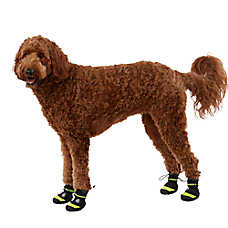
- Protect their paws: Snow, salt and ice can irritate sensitive paw pads. Rinse their feet after walks and try winter dog boots to keep them dry and comfy. They’ll also help with traction on slippery sidewalks.
- Create a warm retreat: Whether it’s a heated bed or a soft blanket nest, give your dog a spot where they can relax after coming in from the cold. If your pup spends time outside, ensure they have an insulated dog house or sheltered space that blocks wind and moisture.
- Stay active inside: Play fetch in the hallway or teach a new trick when it’s too frosty to go out. Keeping your dog mentally and physically engaged helps burn energy even when walks are brief.
Little adjustments like these go a long way toward keeping your pup happy and warm – even when there’s snow on the ground.
Signs your dog is too cold.
Dogs can’t tell us when they’re freezing, but their behavior says plenty. Paying attention to their cues helps you know when it’s time to warm up and head inside. Even the most playful snow pups have their limits, so keep an eye out for these telltale signs.
- Shivering or trembling: Just like humans, dogs shiver when their bodies are trying to generate heat. If your pup starts shaking or looking uncomfortable, it’s a clear sign they’re too cold.
- Tucked tail or hunched posture: Dogs instinctively curl up to conserve warmth. A low tail, hunched back or tucked paws are little ways they’re telling you they need some heat.
- Whining or acting anxious: When a dog’s crying, whining or pawing at the door, they’re probably trying to say, “I’m done out here!” Don’t ignore these cues – it’s their way of asking for comfort.
- Slowing down or stopping: Cold muscles get stiff quickly. If your pup begins lagging behind, refusing to walk or lifting their paws off the ground, it’s time to call it a day.
- Cold ears or body: Touch your dog’s ears, chest or belly. If they feel cool to the touch, bring them inside and warm them up with a blanket or cuddle session.
Learning your dog’s cold-weather limits keeps winter outings fun and safe – no shivers required.
When to stay inside.
Some days are just meant for indoor snuggles. Even the most adventurous dogs need a break from the chill once temperatures drop too low. A good rule of thumb: if it’s too cold for you to be comfortable outside, it’s likely too cold to take your dog outdoors, too.
Many dogs, particularly small or short-haired breeds, start to feel uncomfortable near freezing, and anything under 40 degrees Fahrenheit can become risky. At that point, even thick-coated breeds can be vulnerable to frostbite on their paws, ears and tails. Puppies, seniors and dogs with short hair or medical conditions should stick to quick potty breaks rather than long walks.
Never leave dogs outdoors in freezing weather. Even hardy breeds like Huskies should not remain outside for long periods when temperatures drop below freezing. All dogs need proper shelter that protects them from wind, rain, and snow, but during extreme cold, they should be brought indoors for their health and safety. In some regions, daytime temperatures stay well below freezing—under those conditions, pets should only be outside for brief, supervised potty breaks.
If your dog has to go out, make sure they’re wearing a warm sweater or coat and always dry them off when they come back in. For those who prefer open-air time, use insulated dog doors to make trips outside quick and easy and check their paws afterward for any ice buildup or irritation.
There’s no harm in taking a snow day – especially when it means extra cuddles, warm blankets and maybe even a movie marathon with your best friend.
FAQs.
Can dogs get frostbite or hypothermia?
Yes. Frostbite affects exposed areas like ears, tails and paws. Hypothermia happens when the core temperature drops too low. Warm them slowly and contact your vet if they seem weak, lethargic or unresponsive.
Should I put a coat on my dog in winter?
Short-haired, small or elderly dogs often appreciate an extra layer. Long-haired breeds may not need one unless it’s especially cold or damp.
How long can my dog stay outside in cold weather?
Limit time to 10–15 minutes when it’s below freezing and supervise closely. Always bring them inside if they start shivering or slowing down.
Is it safe to let my dog sleep outside?
In most cases, no. Even a sturdy dog house may not stay warm enough when temperatures drop below freezing. It’s always safest to bring your dog indoors for the night. In areas where daytime temperatures stay below freezing—like parts of Canada or northern states—dogs should not be left outdoors for any extended period, even during the day. Short, supervised outdoor breaks are fine, but pets should always have access to a warm, dry indoor space for their health and safety.
Need other dog supplies while you’re shopping for cold-weather gear for your pup? PetSmart also carries dog food, dog beds, dog treats, leashes & harnesses, flea & tick meds and more. Explore PetSmart’s Dog Shop to find everything your pup needs, all in one place.
PetSmart also offers services such as dog grooming services, expert dog training, safe and comfortable PetsHotel stays, and Doggie Day Camp for your pup to play and socialize. Services are available in select locations—check your local PetSmart to see what’s offered near you.
PetSmart offers convenient shopping with Curbside Pickup or in-store pickup. Need something today? We have select items available for Same-Day Delivery in most areas powered by DoorDash. For items you purchase frequently, PetSmart has Autoship that automatically delivers the items you want to your door as often as you’d like. Check the website to see which items are eligible.
Information in this article is not intended to diagnose, treat or cure your pet and is not a substitute for veterinary care provided by a licensed veterinarian. For any medical or health-related advice concerning the care and treatment of your pet, contact your veterinarian.