
Golden Retriever 101: Temperament, Kid Compatibility and Exercise Needs
In this Article
Golden Retrievers are one of the most beloved family dogs in the country, and it’s not hard to understand why. They’re warm, eager to please, and genuinely enjoy being part of daily life. They’re also a high-energy breed with real exercise requirements. This guide covers Golden Retriever temperament, family compatibility, and what daily life with one actually looks like.
Golden Retriever temperament and personality
Golden Retrievers are people-oriented dogs. They thrive on companionship, tend to be patient and gentle, and are highly trainable and eager to please. That enthusiasm does come with a caveat. Goldens, especially puppies and young adults, can be exuberant and bouncy. Most don’t fully settle into a calmer temperament until they’re around two to three years old. In the meantime, they’re smart, curious, and prone to finding their own entertainment if they’re bored.
Goldens are not natural guard dogs and tend to greet strangers warmly. If you want an affectionate, social companion, that’s a feature. If you’re looking for a protective breed, it’s worth knowing upfront.
Is a Golden Retriever right for your household?
Families with children
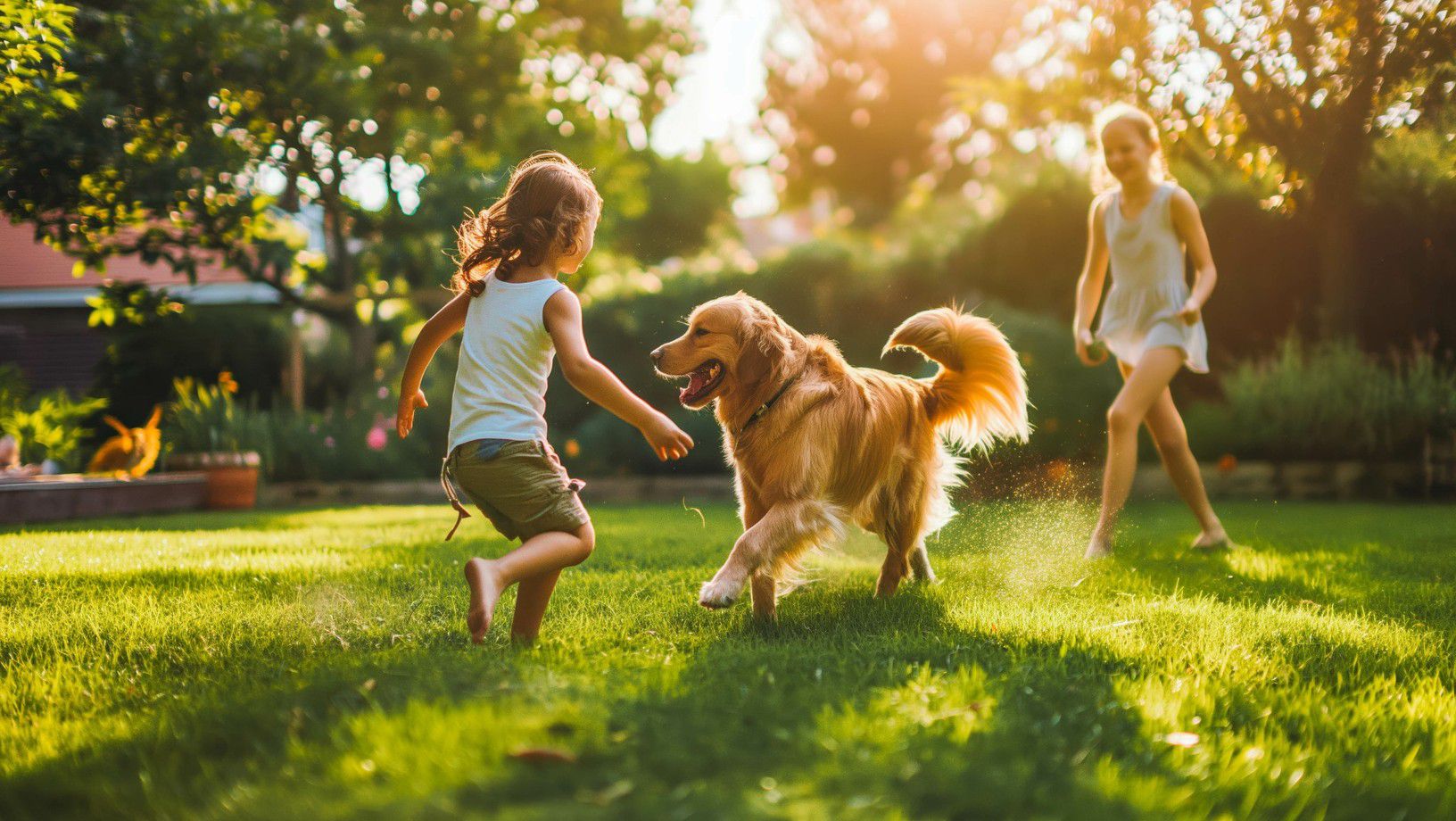
Golden Retrievers have a well-earned reputation as family dogs. They’re typically patient and playful with kids and tend to enjoy the activity that comes with a busy household. Their size and energy, particularly when young, means they can accidentally knock over small children during enthusiastic play. Supervised interactions and teaching children how to engage respectfully with a dog are good habits from the start.
Other pets
Goldens generally get along well with other dogs and can coexist with cats when introduced gradually. Their friendly, sociable nature usually makes multi-pet households manageable with proper introductions and a little patience.
People with active lifestyles
This is where Golden Retrievers shine. They love outdoor activity, whether that’s hiking, swimming, or fetch. Golden Retrievers were originally bred as sporting dogs, and that working drive stays present in the modern breed. Dog toys designed for fetch and retrieval are a natural fit.
Busy households or frequent travelers
Goldens want to be where their people are and don’t do well when left alone for long stretches regularly. If your schedule keeps you away from home for long hours, a dog walker, midday check-in, or Doggie Day Camp will help keep your Golden settled and socialized.
Exercise needs: what to realistically expect
This is one of the most important things to understand before bringing a Golden home. Adult Golden Retrievers need significant daily exercise, typically one to two hours of meaningful activity, not just a short walk around the block. A yard helps, but it doesn’t replace structured exercise. Most Goldens won’t self-exercise in a yard alone and need their people to go with them.
When exercise needs aren’t met, behavior tends to follow. Chewing, digging, and restlessness in Goldens are most often a sign of unmet physical or mental needs, not a temperament problem.
Puppies and exercise
Golden Retriever puppies have different requirements than adults. Their joints and bones are still developing, so high-impact activities like long runs or repetitive jumping should be avoided until they’re physically mature, generally around 12 to 18 months. Short play sessions, gentle walks, and light training are the right approach early on. Your vet can advise on appropriate activity at each stage. See Unleashing the Secrets of Puppy Behavior for more on puppy development.
Mental stimulation matters too
Physical exercise alone isn’t always enough. Goldens are intelligent dogs that benefit from mental challenges. Training sessions, puzzle feeders, and treat-dispensing dog toys are effective outlets on days when a full workout isn’t possible.
Daily care and routine
Grooming
Golden Retrievers have a dense double coat that sheds year-round and more heavily during seasonal transitions. Brushing two to three times a week keeps the coat manageable and reduces shedding. Daily brushing during heavy shedding periods is worth the effort. Ears should be checked and cleaned regularly, and dental care matters at every life stage. See 6 Ways to Groom Your Dog, or explore dog grooming services at your local PetSmart.
Training
Golden Retrievers are among the most trainable breeds. They pick up commands quickly and respond well to both treats and praise. Early training and socialization set the foundation for the well-mannered adult dog this breed is capable of being. Expert dog training classes are a great starting point, especially for puppies, combining structured learning with built-in socialization. Keep dog training treats on hand and use positive reinforcement consistently.
Leash manners
Goldens are enthusiastic walkers and can pull on the leash when young. Working on leash manners early makes walks more enjoyable for everyone. A well-fitted harness helps while you’re building those habits. See How to Choose a Dog Leash, Collar, and Harness and explore collars, leashes and harnesses at PetSmart.
Health considerations
Golden Retrievers are generally a healthy breed, but like all breeds, they have some predispositions worth knowing about. Hip and elbow dysplasia are congenital joint conditions that Golden Retrievers can be born with. Responsible breeders often screen breeding dogs to help reduce the likelihood of passing these conditions to future litters.
Maintaining a healthy weight and providing appropriate exercise throughout your dog’s life supports overall joint health and mobility. Regular veterinary check-ups allow for early detection of potential health issues when intervention may be most effective. Goldens also tend to be food-motivated, which can be helpful for training but means portion control and balanced nutrition are important to prevent unhealthy weight gain.
Frequently asked questions
Are Golden Retrievers good with kids?
Generally, yes. Goldens are patient, playful, and tend to enjoy family activity. Their size and youthful exuberance means supervised play, especially with younger children, is a good habit. Teaching kids how to interact respectfully with any dog helps the relationship go smoothly.
How much exercise does a Golden Retriever need?
Adult Goldens typically need one to two hours of meaningful activity daily. Puppies need less and should avoid high-impact exercise until their joints are mature. See How Much Exercise Does My Dog Need? for general guidance.
When do Golden Retrievers calm down?
Most Goldens start to settle into a calmer temperament around two to three years of age. Consistent exercise, training, and mental stimulation help manage their energy in the meantime.
Are Golden Retrievers good for first-time pet parents?
They can be, given their trainability and people-pleasing nature. The main commitment is meeting their exercise and engagement needs consistently. Goldens are forgiving and adaptable, but they’re not a low-maintenance breed.
Can Golden Retrievers live in an apartment?
Yes, if their daily exercise needs are genuinely met. A small space won’t hold back a well-exercised Golden, but an under-exercised one in any size home will find ways to let you know.
Information in this article is not intended to diagnose, treat or cure your pet and is not a substitute for veterinary care provided by a licensed veterinarian. For any medical or health-related advice concerning the care and treatment of your pet, contact your veterinarian.