
Dog Scabs From Fleas: What To Know
In this Article
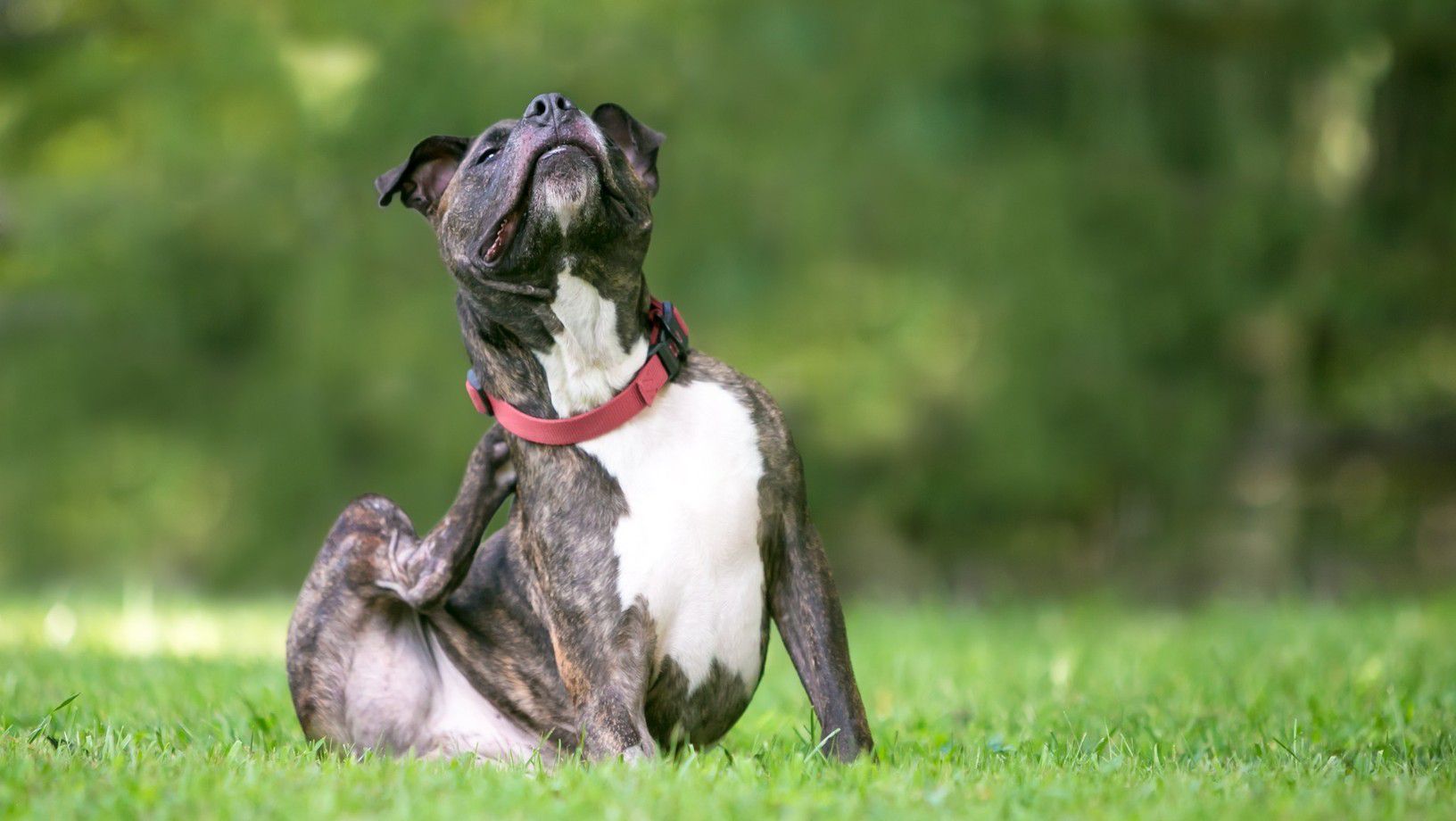
If your dog’s been scratching nonstop and you’re finding little bumps or scabs, those pesky fleas could be to blame. Dog scabs from fleas are super common, but definitely not comfortable for your pup. Luckily, there are easy ways to treat the scabs, stop the itching and prevent fleas from coming back.
Let’s break down what causes a dog’s scabs from fleas, how to spot them and what you can do to help.
What are fleas?
Fleas are tiny, fast-moving bugs that love to hide in your dog’s fur. You might not always see them, but trust us – your dog definitely feels them. These little pests survive by biting your dog and feeding on blood. Gross, right? But that’s not even the worst part.
Flea bites can irritate your dog’s skin, triggering nonstop scratching, chewing or licking. For some dogs, even a single bite can lead to redness, inflammation and those dreaded scabs. That’s especially true for dogs with flea allergy dermatitis, where their body reacts strongly to flea saliva.
Fleas are expert hitchhikers. Dogs can pick them up from other animals, a walk through the park, a playdate with a furry friend or even in your own backyard. Fleas don’t fly, but they jump – and they’re good at it. Once they latch onto your dog, they settle in fast, laying eggs in your dog’s coat, your carpets and bedding. A full-blown flea infestation can happen quickly if you’re not careful. That’s why it’s so important to check your dog regularly and catch fleas early before they start causing discomfort. Keeping up with flea prevention can help avoid dog scabs from fleas, save your pup from a whole lot of itching and keep your home flea-free too.
Signs your dog has fleas
Watch for these common symptoms if you think your dog might have fleas:
- Small scabs or bumps: Especially along the back, tail or neck. Fleas tend to bite around these areas. If your dog’s scratching here and you see scabs, fleas might be the cause.
- Hair loss or bald patches: You might notice your dog losing hair on tail areas or spots where your pup has been biting and scratching. This often goes hand in hand with flea issues.
- Red, irritated skin with black specks: Those tiny black dots? That’s flea dirt (a nicer way of saying flea feces). If you spot it on your dog’s skin or bedding, it’s a sure sign fleas have moved in.
- Other skin concerns: If your dog has dandruff, itchy hot spots or general skin irritation, it might be caused by fleas.
How to get rid of dog scabs from fleas
Getting rid of fleas and soothing your dog’s skin takes a little teamwork, but it’s totally doable:
- Use flea & tick prevention products: Protect your dog with flea control treatments such as topical solutions or oral medications. Keeping fleas away helps stop new scabs from forming.
- Soothe irritated skin with dog-safe shampoo: Look for gentle options with oatmeal or aloe. This helps clean your dog’s skin, calm the itch and heal from those dog scabs from fleas.
- Treat your home to prevent reinfestation: Fleas don’t just live on your dog. Wash bedding, vacuum regularly and treat carpets or furniture to get rid of lingering fleas.
- Talk to your vet for stubborn cases: If your dog has severe scabbing or possible flea allergy dermatitis, your vet can recommend treatments like allergy medications and antibiotics.
Other reasons your dog might have scabs
While dog scabs from fleas are super common, fleas aren’t the only cause of scabby, irritated skin. If you’ve ruled out fleas or treated them but the scabs keep coming back, there could be something else going on. Here are a few other reasons your dog might have scabs:
- Skin allergies: Dogs can be allergic to all sorts of things like pollen, grass, certain foods or even household cleaners. Allergies can make your dog itchy and lead to scabbing from all the scratching and chewing.
- Parasites other than fleas: Mites and ticks can also irritate your dog’s skin. Mange, for example, is caused by mites and often leads to scabs, hair loss and flaky skin.
- Fungal or bacterial infections: Sometimes scabs come from skin infections. You might notice redness, a bad smell or oozing along with the scabs. Infections can develop after excessive scratching or from an untreated hot spot.
- Ringworm: Ringworm is a contagious fungal infection that can cause circular, scabby bald spots.
- Injuries or bug bites: Rough play, small cuts or insect bites can lead to scabs while your dog’s skin heals.
If you’re not sure what’s causing the scabs or they aren’t improving with flea treatment, it’s always a good idea to check with your vet. They can help diagnose the problem and get your dog the right care.
FAQs
How do I get rid of flea scabs on my dog?
Start by using flea prevention to stop new bites and keep their environment clean. Your vet can also suggest specific skin treatments if the scabs aren’t healing or if your dog’s super uncomfortable.
How do I get rid of flea dermatitis on my dog?
Flea dermatitis is an allergic reaction to flea bites. Even one bite can trigger major itching for some dogs. The best approach is a mix of consistent flea prevention, topical treatments, and vet-prescribed treatments if needed.
Will flea scabs go away?
Yes, once the fleas are gone and your dog’s skin has time to heal, those scabs should disappear. But it’s important to keep up with flea control – otherwise, new bites and new scabs can pop up quickly. Flea prevention should be used for at least two months after fleas are seen so that all the generations of fleas that hatch are also treated.
What causes flea scabs in dogs?
Flea bites irritate your dog’s skin, causing redness, itching and scabbing. Some dogs have allergic reactions that make the symptoms worse, leading to lots of scratching and more scabs.
What’s the difference between dog hotspots vs ringworm?
Dog hotspots are red, moist, irritated patches of skin that often appear suddenly from constant licking, chewing or scratching. Ringworm, on the other hand, is a contagious fungal infection that usually causes dry, circular bald spots with scaly or crusty edges. Both can look similar to dog scabs from fleas, so it’s best to ask your vet if you’re unsure.
How do I use apple cider vinegar for my dog’s skin?
Some pet parents use diluted apple cider vinegar to help soothe itchy skin or repel fleas. You can mix equal parts water and apple cider vinegar in a spray bottle and lightly mist your dog’s coat, avoiding open wounds or irritated areas. Always check with your vet before trying this to make sure it’s safe for your dog’s skin.
How do I manage my dog’s shedding?
You can manage your dog’s shedding by brushing them regularly to remove loose fur and reduce the amount that ends up around your home. Using a deshedding tool or grooming brush suited to their coat type works best. A healthy diet with essential fatty acids can also help keep their skin and coat in good condition.
Information in this article is not intended to diagnose, treat or cure your pet and is not a substitute for veterinary care provided by a licensed veterinarian. For any medical or health-related advice concerning the care and treatment of your pet, contact your veterinarian.