
Choosing the Right Dog Dental Chews
In this Article
Dog dental chews are a fun and tasty way to help care for your pup’s pearly whites. They can reduce plaque and tartar buildup, freshen breath and support gum health – all while keeping your dog tail-wagging happy. Regular use of dental chews can help prevent serious dental problems that might need a trip to the vet. But chews and treats are not a magic fix. They should always go hand in hand with brushing and regular veterinary visits. Here’s a guide to choosing the best dental chews for your dog and the role chews play in your pup’s overall dental health.
Why your dog’s dental health matters
Just like their human parents, dogs can have dental problems like bad breath, gum disease and tooth decay. Poor dental care can also lead to more serious health issues, including infections that affect the heart, liver and kidneys.
Taking good care of your pup’s teeth helps ensure they can continue to eat, play and enjoy a long and healthy life that’s free from dental pain. That’s why it’s important to learn about dental health for dogs and how to promote good dental hygiene.
How dog dental chews work
Dog dental chews work their magic by using texture and special ingredients to improve oral health. As your dog gnaws away, the rough surface on a dental chew helps scrape away plaque and tartar, keeping teeth cleaner. Some chews also contain ingredients like enzymes and natural breath fresheners to help fight bacteria and odors. It’s like a mini makeover for their mouth!
Types of dog chews
There are many types of dog chews to fit different dogs based on their size and chewing habits.
- Rawhide chews: These are made from the inner layer of cow or horse hides. They are tough and can keep your dog busy for a long time, which is great for dogs that love to chew. But be cautious – some dogs might break off large chunks, which can be a choking hazard or cause tummy troubles.
- Natural chews: These include bully sticks, dried sweet potato chews and yak milk chews. They are easy to digest and don’t contain artificial ingredients, making them a healthier option for dogs with sensitive stomachs. Plus, they provide some extra nutrients while keeping your dog entertained.
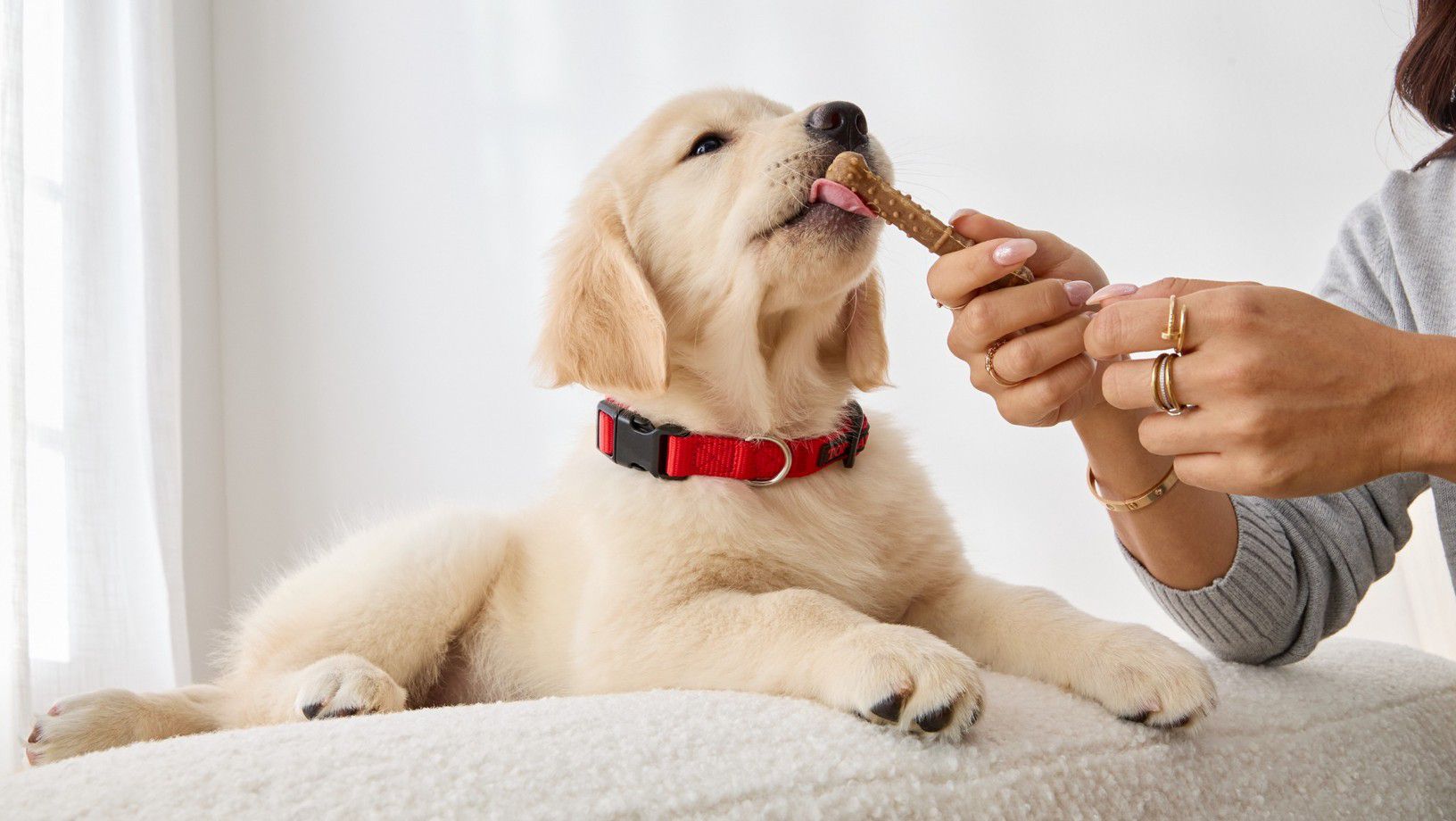
- Dental treats: These dog treats are made to clean teeth and freshen breath while tasting delicious. They come in all kinds of flavors and textures, so you’re sure to find one your dog loves. They also have ingredients that help fight bacteria and improve gum health.
- Rubber or nylon dental chews: If your dog is a power chewer, these tough toys are a great option. They often have ridges and grooves to help clean teeth while giving your pup a satisfying chew session.
Benefits of dog dental chews
Dog dental chews do more than keep your pup’s teeth sparkly white.
- Reduce plaque and tartar: The chewing action helps break down plaque and tartar, keeping your pup’s teeth healthier and reducing the risk of gum disease. This means fewer trips to the vet for costly cleanings.
- Freshen breath: Nobody loves bad doggy breath! Many chews contain ingredients that fight bad breath and promote a healthier mouth, so you can say so long to stinky kisses.
- Stimulate gums: Chewing boosts blood flow to the gums, keeping them strong and healthy. As your pup ages, healthier gums mean a happier dog.
- Provide mental stimulation: Chewing is a natural behavior that helps keep your dog entertained and can prevent boredom. Giving them something appropriate to chew on can also help save your shoes and furniture.
Choosing the right dental chew for your dog
When comparing dog dental chews, keep these things in mind:
- Size and breed: Pick a chew that’s the right size for your dog to prevent choking. Smaller dogs may need softer chews, while bigger dogs need tougher ones.
- Chewing style: Some dogs chew like they mean business, while others prefer a gentle nibble. Knowing your dog’s chewing style will help you choose the safest option.
- Vet recommendations: Your vet can help you pick the best chew for your dog’s specific needs based on their age, breed and dental health.
- VOHC approval: Choosing dental chews with the Veterinary Oral Health Council (VOHC) seal ensures the product has been tested and proven to reduce plaque and tartar. This offers gives you peace of mind that you’re choosing a safe and effective option for your dog.
Limitations of dog dental chews
While dental chews are awesome, they do have their limits:
- Not a replacement for brushing: Chews help, but they can’t reach every part of your dog’s mouth. Brushing with pet-safe toothpaste is still the gold standard for dental care, so learning how to brush your dog’s teeth is a great investment in your pup’s health.
- Risk of overeating: Some dogs love chews a little too much and might gobble them down too fast. This can make them less effective and cause digestive troubles.
- Extra calories: Dental chews can be calorie-packed, so be mindful if your dog is watching their waistline.
- Choking hazards: Some dogs can get too excited and swallow big pieces. Choose the right size and supervise them. Always keep an eye on your pup to make sure they’re chewing safely and not swallowing big chunks.
- Allergies: Some dogs might have sensitivities to ingredients in certain chews, so always check the label and monitor for any reactions.
- Cost: High-quality dental chews can get pricey, especially for big dogs who need them often. It’s worth it, but finding a balance with other dental care methods is key.
Best practices for dog dental health
Dental chews are just one part of keeping your dog’s teeth in tip-top shape.
- Regular brushing: Brush your dog's teeth a few times a week with pet-safe dog toothpaste. It’s the best way to fight plaque and bacteria.
- Vet check-ups: Take your dog for annual dental exams to catch any issues before they get serious. Prevention is key.
- Fresh water: Always have fresh water available to rinse away food particles and bacteria. Hydration helps with overall health, too!
How often should dogs have dental chews?
How often you give dental chews depends on your dog’s needs. Many vets recommend a few times a week, but chews shouldn’t replace regular brushing and vet visits. Think of them as a tasty supplement to your dog's dental routine.
FAQs
Can senior dogs use dental chews?
Yes, but choose softer chews specifically designed for older dogs to make their chewing experience more comfortable.
Are grain-free dental chews better for dogs with allergies?
Grain-free chews can be a good option for dogs with sensitivities, but it’s best to consult your vet first before introducing a new chew to your dog’s diet.
Can dental chews help with teething puppies?
Yes, along with puppy teething toys, there are specific dental chews made for puppies that can soothe their gums during teething.
How can I tell if a dental chew is working?
Look for reduced tartar, fresher breath and healthier gums over time. If you are not getting the results you want, you may need a dental cleaning and should discuss it with your veterinarian.
What happens if my dog swallows a dental chew whole?
Monitor them for signs of distress, and contact your vet if you’re concerned.
Can small dogs use large dental chews?
It’s best to choose chews appropriate for your dog’s size to avoid choking hazards.
Can dental chews prevent gum disease?
They can help reduce the risk, but regular brushing and vet visits are still necessary.
Are dental chews safe for dogs with sensitive stomachs?
Look for chews made with simple, natural ingredients to avoid digestive upset.
Can dental chews whiten my dog’s teeth?
While they won’t whiten teeth, they can reduce surface stains and tartar buildup.
Should I give my dog dental chews daily?
Some chews can be given daily, but it’s best to always follow the product’s guidelines to avoid overfeeding.
Information in this article is not intended to diagnose, treat or cure your pet and is not a substitute for veterinary care provided by a licensed veterinarian. For any medical or health-related advice concerning the care and treatment of your pet, contact your veterinarian.