
Caring for Puppy Teeth: A Complete Guide to Puppy Dental Care

In this Article
Puppy teething is a normal developmental stage, but it can be confusing and sometimes frustrating for pet parents. As puppies grow, their baby teeth gradually fall out and are replaced by permanent adult teeth. During this process, puppies may experience discomfort, increased chewing behavior, and sensitivity in the mouth.
Understanding how teething works, what changes to expect, and how to support your puppy’s dental health can help prevent long-term oral problems and ensure healthy tooth development.
Understanding puppy teething: what to expect
Puppies are born without visible teeth, and their baby teeth (also called deciduous teeth) emerge within the first few weeks of life. These baby teeth are temporary and eventually fall out to make room for adult teeth. Veterinary dental research shows that teething is closely linked to jaw growth and immune development, making this period critical for oral health.
During teething, puppies often chew more frequently because pressure on the gums can relieve discomfort. This behavior is instinctive and should be redirected toward safe chew items rather than discouraged entirely.
Common signs of puppy teething include:
- Increased chewing on objects, furniture, or hands
- Mild gum redness or sensitivity
- Drooling or occasional loss of appetite
- Finding small baby teeth on the floor or in toys
Timeline of puppy teeth development
Most puppies follow a similar pattern, though every puppy is a little different. Watching this timeline helps you and your veterinarian catch problems early.
Typical stages of puppy tooth development include:
- Around 3 months: Baby teeth begin loosening and falling out as adult teeth start to emerge
- Around 4 months: Ongoing tooth replacement, with noticeable chewing behavior
- Around 5 months: Most baby teeth have fallen out, and adult teeth are erupting
- Around 6 months: Most adult teeth are fully developed and in place
If you still see baby teeth after this period, it is a good idea to schedule a veterinary exam.
What are retained baby teeth and why are they a concern?
Retained baby teeth occur when a deciduous tooth does not fall out after the adult tooth has erupted. This condition is most common in small-breed dogs but can occur in any puppy. Veterinary research shows that retained teeth can disrupt normal bite alignment and create spaces where bacteria and food debris accumulate.
Potential complications of retained baby teeth include:
- Increased risk of periodontal disease
- Crowding or misalignment of adult teeth
- Chronic inflammation or infection of the gums
- Long-term dental and jaw issues
Veterinarians often recommend extracting retained baby teeth to prevent future oral health problems, especially if both baby and adult teeth are present simultaneously.
Importance of puppy dental care
Dental health is closely linked to overall health in dogs. Bacteria from the mouth can enter the bloodstream and potentially affect organs such as the heart, liver, and kidneys. Veterinary preventive medicine emphasizes that early dental care significantly reduces the risk of chronic oral disease later in life.
Good dental care during puppyhood helps:
- Prevent tartar and plaque buildup
- Support healthy gum development
- Reduce the likelihood of painful dental conditions
- Establish lifelong oral hygiene habits
Early intervention is far more effective than treating advanced dental disease in adulthood.
Tips for caring for your puppy’s teeth
Supporting your puppy’s dental health requires a combination of home care, safe chewing outlets, and professional veterinary oversight. Veterinary dental guidelines recommend starting oral care early to normalize handling of the mouth. Recommended dental care practices include:
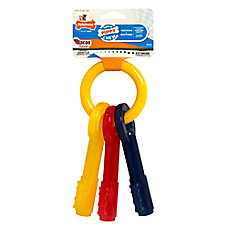
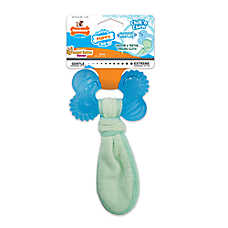
- Provide appropriate chew toys: Durable, puppy-safe chews help relieve teething discomfort and reduce destructive chewing
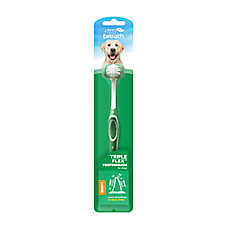
- Brush teeth regularly: Use dog-specific toothbrushes and toothpaste to remove plaque and prevent tartar
- Schedule veterinary dental exams: Regular checkups help detect retained teeth, gum inflammation, and early disease
- Monitor tooth development: Watch for delayed tooth loss or abnormal tooth positioning
Consistency during puppyhood sets the foundation for lifelong dental health.
When to visit the veterinarian
While puppy teething is normal, certain signs may indicate a dental problem requiring professional evaluation. Veterinary guidance stresses that early treatment prevents more serious complications.
Contact your veterinarian if you notice:
- Baby teeth that remain after adult teeth erupt
- Persistent bad breath or gum swelling
- Difficulty eating or excessive drooling
- Signs of pain when chewing or touching the mouth
- Visible tartar buildup at a young age
Your veterinarian can check how your puppy’s teeth are developing, remove retained teeth if needed, and recommend an at-home dental care plan that fits your puppy.
Frequently Asked Questions (FAQs)
When do puppies start teething?
Most puppies begin teething around 3 months of age as their baby teeth start to fall out. The process typically continues until about 6 months, when most adult teeth are fully developed.
Is it normal for puppies to chew everything during teething?
Yes. Chewing is a natural response to gum discomfort and helps relieve pressure as teeth erupt. Veterinary behavior research recommends redirecting chewing to safe toys rather than punishing the behavior.
What are retained baby teeth in puppies?
Retained baby teeth occur when a deciduous tooth remains in place after the adult tooth has erupted. This can lead to crowding, infection, and increased risk of periodontal disease, often requiring veterinary extraction.
How can I prevent dental disease in my puppy?
Preventing dental disease involves regular tooth brushing, safe chew toys, routine veterinary exams, and monitoring tooth development. Early oral care significantly reduces the risk of gum disease later in life.
When should puppies have their first dental checkup?
Puppies typically receive dental evaluations during routine veterinary visits throughout their first year. Veterinarians assess tooth development and identify retained teeth or early signs of gum disease.
Information in this article is not intended to diagnose, treat or cure your pet and is not a substitute for veterinary care provided by a licensed veterinarian. For any medical or health-related advice concerning the care and treatment of your pet, contact your veterinarian.