
The Scoop on Cat Litter
Life with a cat is full of affection, companionship, and joy – except when it comes to the cat litter box. From the odor and mess to the need for frequent changes, dealing with cat litter is no walk in the park. However, finding the right cat litter can make all the difference for you and your feline friend. There are tons of options out there, with litter designed to control odor, promote cleanliness, and keep your kitty comfortable. Here’s a quick tour through all your options when it comes to choosing the right litter for you and your cat.
What is cat litter, exactly?
Cat litter is a material used to absorb moisture and control odors from cat waste. When contained in a litter box, it provides a clean spot for indoor cats to relieve themselves. The primary goal of cat litter is to trap urine, cover feces, and neutralize odors while making it easy for pet parents to clean. Cat litter was invented by Edward Lowe in 1947. Before the invention of cat litter, people typically used sand, dirt, or ashes for their litter boxes. Lowe came up the idea of using absorbent clay, which proved better at absorbing moisture and controlling smells.
Types of cat litter
Today, there are lots of different types of cat litter to choose from.
- Clumping litter: This is the go-to for most cat parents. Made with bentonite clay, it clumps together when your cat does their business, making it super easy to scoop. It’s great for odor control, but it can get a bit dusty. Products like Purina Tidy Cats provides a low-dust option with guaranteed 10-day odor control.
- Lightweight clumping litter: This type of clumping cat litter makes light, tight clumps for easier scooping. For example, Purina Tidy Cats LightWeight is 50% lighter compared to the leading clumping litter.
- Non-clumping: If clumping isn’t your thing, non-clumping litter might be. It’s typically made from clay or silica crystals that absorb moisture rather than forming clumps. It lasts a little longer before needing a full change, but the urine can’t be separated and scooped. There’s less dust, but you’ll need to replace the whole box more frequently. For example, Purina Tidy Cats Non-Clumping Clay Litter features great absorption and powerful odor control, allowing you to avoid scooping for about a week.
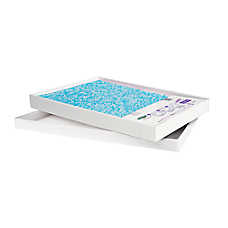
- Silica gel litter: This fancier litter looks like tiny crystals and is great at soaking up moisture and controlling odors. It’s lightweight and long-lasting, but it’s typically pricier than other options. Also, some cats might not love the feel of crystals on their paws. Purina Tidy Cats Tidy Care Alert adds an additional feature: color-changing litter granules with pH Detection Technology that helps you monitor your cat’s health.
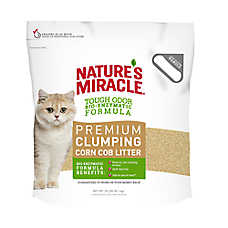
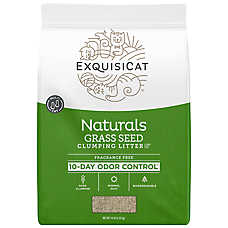
Alternate cat litter options include natural litter that’s made from corn, wheat, wood, or recycled paper. While these options often have environmental benefits, they may not clump as well and they can be less effective at odor control.
Choosing the right litter
Choosing the perfect cat litter is a bit of a balancing act. Here are some tips to help you decide.
- Odor control: Nobody likes a stinky litter box. Clumping and silica gel litters are the champs when it comes to trapping smells.
- Dust levels: Dusty kitty litter can be a real problem, especially for cats with respiratory issues and cat parents that don’t like cleaning dust off every surface. Low-dust options like silica gel are great for reducing airborne particles.
- Ease of cleaning: Clumping litter is your best friend if you like to scoop often. With non-clumping litters, you’ll scoop less frequently but you’ll need to change the box more often.
Cat litter box tips
A well-maintained litter box makes for a happy cat and a less smelly home. Here are some tips for keeping things fresh.
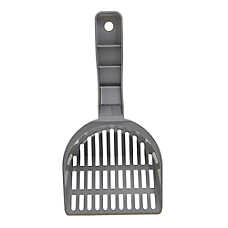
- Scoop daily: Getting rid of waste and clumps once a day will make your cat happier and keep odors at bay. Cats dislike physical obstructions in the litter box more than odor, so regular scooping is important. A self-cleaning litter box is a good option for cat parents that don’t want to deal with litter every day.
- Change regularly: For clumping litter, you may be able to go to 2 to 4 weeks before a full change. Non-clumping litter will need to be swapped out more frequently.
- Wash the box: When you change the litter, don’t forget to clean your cat’s litter box, too. Wash the box with warm water and mild soap. Avoid harsh chemicals, as they can leave odors that your cat might not like.
- Litter depth: 3 to 4 inches is best for clumping cat litter, while 2 to 3 inches is the sweet spot for non-clumping litter.
- Location: Put the box in a quiet place that only your cat can get to. Avoid high-traffic or noisy areas – cats like privacy in the bathroom, too!
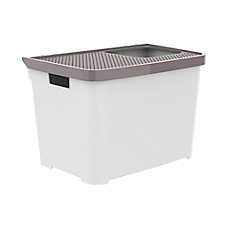
- Size: Your cat litter box should be large enough for your cat to enter and turn around in comfortably.
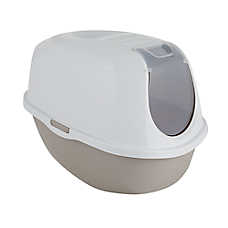
- Number of boxes: For multi-cat households, it’s best to have one more box than the number of cats – for example, three boxes for two cats. Boxes should be located in different areas of the home. Specially designed cat litter box furniture is great at concealing boxes within attractive cabinets or enclosures.
- Monitoring litter conditions: Any sudden change in litter box behavior could indicate a medical concern. When you notice something out of the ordinary, it’s time to consult your veterinarian.
FAQs
What type of litter is best for cats?
The best type of litter depends on your cat’s preferences and any specific needs they may have. Clumping litter is popular for easy cleaning, but some cats prefer non-clumping or natural litters. Test different types to see which one your cat prefers.
What cat litter is best for indoor cats?
Indoor cats often do well with clumping litter because it’s easy to scoop and controls odor effectively. Some indoor cats may also prefer low-dust or natural litters.
How often should you change a cat's litter?
For clumping litter, it’s a good idea to scoop daily and fully replace the litter every 2-4 weeks. Non-clumping litter or natural litters may require more frequent changes, often once a week or more depending on how many cats you have and how much they use the box.
What are some litter box training tips?
To litter train your cat, place the litter box in a quiet, accessible spot. Show your cat where the box is and, after meals or naps, gently place them in the box. Keep the box clean by scooping daily. Avoid punishment if they have accidents – praise and positive reinforcement work best.
What if my cat refuses to use the litter box?
First, check in with a vet to rule out any health issues. If it’s a behavioral response, check that the litter box is clean and in a comfortable, quiet location. Your cat’s anxiety may prevent them using boxes in places where they feel stressed. Experiment with different types of litter, as your cat might have preferences. If the issue persists, check in with a credentialed behaviorist if neither the vet nor the modifications to the litter box environment solve the problem.
Can I flush cat litter down the toilet?
No, most types of cat litter should not be flushed. Even flushable litters can cause plumbing issues, and cat waste may contain harmful parasites like Toxoplasma gondii, which can affect water systems. Always dispose of litter in the trash.
Information in this article is not intended to diagnose, treat or cure your pet and is not a substitute for veterinary care provided by a licensed veterinarian. For any medical or health-related advice concerning the care and treatment of your pet, contact your veterinarian.