

New Year Cat Checklist: Essentials To Welcome a New Cat
In this Article
The New Year brings fresh starts and new beginnings. If you're planning to welcome a cat into your home, now is the perfect time to get organized. Bringing home a new cat requires thoughtful preparation to help them settle in comfortably and build a strong foundation for years together.
Whether you're adopting an adult cat or welcoming a kitten, having the right supplies ready before arrival day makes the transition smoother for everyone. This comprehensive new cat checklist covers everything you need to create a safe, comfortable environment for your new family member.
Cat essentials: what you need before day one
According to the American Association of Feline Practitioners, preparing your home before your cat arrives helps reduce stress and supports a successful transition. Start with these cat essentials that every cat needs from day one.
Food and water supplies
Your cat food choice impacts your cat's health and wellbeing. If you're adopting, ask what food they've been eating and continue with the same type initially. This prevents digestive upset during an already stressful transition. You'll need:
- Food bowls: Stainless steel or ceramic bowls are easiest to clean and won't harbor bacteria like plastic
- Water bowls: Provide fresh water in multiple locations throughout your home
- Food: Stock up on both dry cat food and wet cat food appropriate for your cat's age
- Treats: Keep cat treats on hand for training and bonding
For kittens specifically, make sure you have kitten food formulated for their growth needs. Cornell University College of Veterinary Medicine notes that kittens have different nutritional requirements than adult cats and need food that supports their rapid development.
Litter box setup
A proper litter box setup is essential for successful litter training. You'll need:
- Litter boxes: Plan for one box per cat plus one extra. Browse litter boxes to find the right size for your cat
- Cat litter: Start with unscented clumping litter, which most cats prefer. Check out cat litter options once you learn your cat's preferences
- Litter scoop: For daily cleaning
- Litter mat: Place cat mats and liners under and around boxes to catch tracking
- Waste bags: For disposing of scooped waste
The American Veterinary Medical Association recommends placing litter boxes in quiet, easily accessible locations away from food and water bowls. Avoid high-traffic areas that might make your cat feel vulnerable.
Scratching solutions
Cats need appropriate places to scratch. This natural behavior helps them maintain their claws, stretch their muscles, and mark territory. Provide multiple scratching options right from the start to protect your furniture. Consider:
- Cat scratching posts: Vertical posts wrapped in sisal rope
- Cat trees and condos: Multi-level structures with built-in scratching surfaces
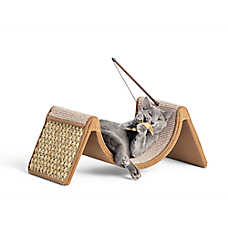
- Horizontal scratchers: Flat cardboard or carpet scratchers for cats who prefer horizontal surfaces
Place scratching posts near areas where your cat sleeps or spends time. Cats naturally scratch after waking up, so having posts nearby encourages appropriate scratching behavior.
Comfort and rest areas
Cats sleep 12-16 hours per day, so comfortable resting spots are essential. Provide multiple options throughout your home so your cat can choose where they feel most secure. You'll want:
- Cat beds: Soft, washable beds in various styles
- Covered beds: Enclosed hideaways for cats who prefer privacy
- Blankets: Washable fleece blankets that can be placed on furniture
Many cats appreciate elevated resting spots where they can observe their surroundings. Cat trees and wall-mounted perches satisfy this instinct while providing comfortable places to nap.
Play and enrichment
Interactive play keeps your cat mentally stimulated and physically active. According to the American Animal Hospital Association, regular play sessions help prevent boredom-related behavior issues and support healthy weight management. Stock up on:
- Cat toys: Variety of toys including wands, balls, and mice
- Interactive toys: Puzzle feeders and toys that dispense treats
- Catnip toys: Many cats respond enthusiastically to catnip
- Laser pointers: For active chase games (always end play sessions with a catchable toy)
Rotate toys regularly to keep them interesting. Put some away and bring out different ones every few weeks to maintain novelty and engagement.
Grooming essentials
Even cats who groom themselves need help maintaining their coat and claws. Gather these cat care essentials:
- Cat grooming supplies: Brushes appropriate for your cat's coat type
- Cat nail clippers: For regular nail trims
- Nail file: To smooth rough edges after trimming
- Cat-safe shampoo: For occasional baths if needed
Start grooming routines early, especially with kittens. Regular handling and gentle grooming sessions help your cat become comfortable with maintenance care as they grow.
Safety and transport
Every cat needs a secure carrier for veterinary visits and travel. Choose a carrier large enough for your cat to stand up and turn around comfortably. Browse cat carriers to find options with top and front loading for easy access. Additional safety items:
- Cat collar with ID tag: Include your current phone number
- Breakaway safety feature: Collars should release if caught on something
- Microchip: Consider permanent identification (discuss with your veterinarian)
New kitten checklist: additional supplies for kittens
If you're welcoming a kitten, this kitten supplies list covers extra items that support their development and safety during those crucial early months. Add to your checklist:
- Smaller dishes: Shallow bowls easier for kittens to access
- Lower litter boxes: Boxes with lower sides for easy entry
- Soft kitten toys: Small, lightweight toys safe for developing teeth
- Heating pad: Young kittens may appreciate extra warmth (use pet-safe heating pads only)
- Baby gates: To restrict access to unsafe areas while they learn boundaries
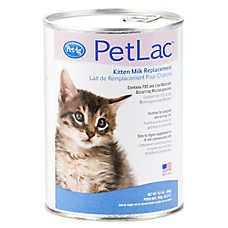
- Kitten formula: If adopting a very young kitten who isn't fully weaned
Kittens need smaller portions fed more frequently than adult cats. Plan for three to four meals per day for kittens under six months, gradually transitioning to twice daily feeding as they mature.
Cat supplies checklist: organizing before arrival
Once you know what to buy for a new cat, organize supplies strategically throughout your home.
Create a safe room
Set up a quiet room where your cat can decompress during their first few days. This temporary sanctuary helps them adjust gradually without becoming overwhelmed by your entire home at once. Place in the safe room:
- Litter box in one corner
- Food and water bowls on the opposite side
- Bed or comfortable resting spot
- Scratching post
- A few toys
- Hiding spots (cardboard boxes work well)
Cat-proof your home
- Before your cat explores beyond the safe room:
- Secure or remove toxic plants
- Hide electrical cords or use cord covers
- Remove small objects that could be swallowed
- Secure window screens
- Check that cabinets with cleaning supplies close securely
- Identify escape routes and ensure doors and windows stay closed
Finding a veterinarian
Establish veterinary care before you need it. According to the American Veterinary Medical Association, new cats should see a veterinarian within the first few weeks after adoption for a health check and to discuss preventive care. Schedule an initial appointment to:
- Verify your cat's health status
- Discuss vaccination schedule
- Review cat flea & tick treatments and parasite prevention
- Plan spay or neuter surgery if not already done
- Get nutrition recommendations
- Ask questions about behavior and care
Budget-friendly tips for new cat essentials
While you want quality supplies, you don't need to spend a fortune on new cat essentials. Here are ways to manage costs while still providing everything your cat needs: Smart shopping strategies:
- Start with basics: Buy essentials first, add specialty items as you learn your cat's preferences
- Use Autoship: Save on recurring items like food and litter with Autoship subscriptions
- DIY toys: Cardboard boxes, paper bags, and crumpled paper make great free toys
- Watch for sales: Stock up on supplies during promotions
- Buy adjustable: Choose collars and some supplies that can grow with kittens
FAQs
How much does it cost to get everything for a new cat?
Initial setup typically costs between $200-500 depending on the quality and quantity of items you purchase. Basic essentials (litter box, food bowls, initial food supply, basic toys) can be acquired for the lower end of this range. Adding premium items like tall cat trees, automatic litter boxes, or extensive toy collections increases costs.
What's the most important thing to have before bringing a cat home?
The litter box setup is most critical. Cats need immediate access to an appropriate place to eliminate. Have the litter box set up and filled with litter before your cat arrives. Everything else can be acquired shortly after if needed, but skipping the litter box can create stress and lead to elimination problems.
Should I buy everything new or can I use secondhand items?
Food and water bowls, litter boxes, and carriers can be purchased secondhand if thoroughly cleaned and sanitized. However, scratching posts and beds may retain scents from previous cats that could stress your new cat. Always buy food, litter, and medications new. Inspect any secondhand items carefully for damage or wear that could pose safety risks.
How long should I keep my new cat in one room?
Most cats benefit from 3-7 days in a safe room, though some adjust faster and others need more time. Watch your cat's body language and behavior. When they seem relaxed, explore the room confidently, and use the litter box consistently, they're ready to gradually explore more space. Let your cat set the pace.
Do indoor cats need collars?
Yes. Even indoor cats should wear collars with ID tags. Cats can slip through open doors, escape during moves, or get out during emergencies. A collar with current contact information gives anyone who finds your cat a way to reach you immediately. Choose breakaway collars that release if caught on something to prevent injury.
How many litter boxes do I really need for one cat?
The standard recommendation is one litter box per cat plus one extra. For a single cat, this means two boxes. This gives your cat options and ensures they always have access to a clean box. Multiple boxes also help if one location becomes uncomfortable or if you have a multi-level home.
Information in this article is not intended to diagnose, treat or cure your pet and is not a substitute for veterinary care provided by a licensed veterinarian. For any medical or health-related advice concerning the care and treatment of your pet, contact your veterinarian.
Shop this article

Related articles
We’re at your service
Find the right care & enrichment