

Litter Box Training Tips
In this Article
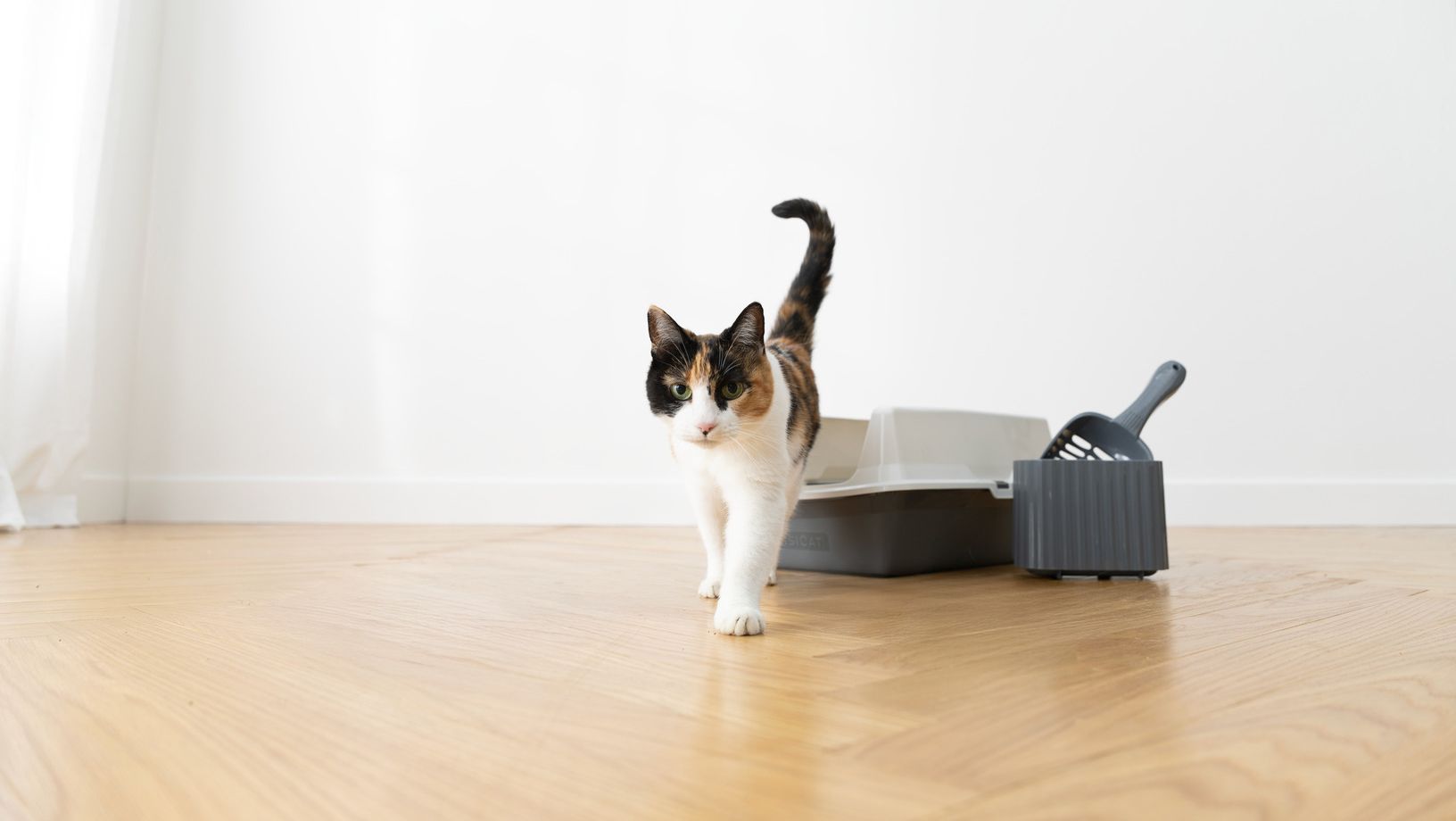
Good news: most kittens come with natural instincts that make litter training easier than you might think. According to the American Veterinary Medical Association, cats have an innate preference for eliminating in soft, sandy substrates and covering their waste. This instinct means your kitten is already primed for success with the right setup and guidance.
Whether you're bringing home a young kitten or helping an older cat adjust to a new litter box, this guide will walk you through everything you need to know for successful litter training.
When to start litter training
Kittens can begin learning to use a litter box as early as three to four weeks old. By the time most kittens are ready for adoption at eight weeks, they've typically already started the process with their mother.
If you're adopting a very young kitten who hasn't been exposed to a litter box, start training as soon as they arrive home. The earlier you begin, the faster they'll develop consistent habits.
What you need to get started
Setting up your kitten for success starts with the right supplies.
Litter box
Choose a box that's easy for your kitten to enter and exit. According to Cornell University College of Veterinary Medicine, the box should be about one and a half times the length of your cat. For kittens, start with a smaller box with low sides. You can upgrade to a larger box as they grow. Once your kitten is consistently using the litter box and meets size and weight requirements, some pet parents choose to transition to an automatic or self-cleaning litter box for added convenience.
Plan for one box per cat, plus one extra. If you have one kitten, start with two boxes in different locations. Explore options in PetSmart's litter boxes section to find the right fit.
Cat litter
Start with unscented, clumping litter. Kittens are sensitive to strong smells, and unscented options are less likely to deter them. Fine-grained litter feels softer on tiny paws and mimics the texture cats prefer naturally. Browse cat litter options to find one that works for your kitten.
Fill the box with two to three inches of litter. Too little won't give your kitten enough material to dig and cover. Too much can feel overwhelming.
Cleaning supplies
Keep enzymatic cleaner on hand for accidents. Regular household cleaners won't eliminate odors that signal to your kitten that a spot is acceptable for elimination. PetSmart carries cat cleaning and repellants designed specifically for pet accidents.
Step-by-step litter training
Step 1: Show your kitten the litter box
Place your kitten in the litter box shortly after they arrive home. Let them explore and sniff. Gently take their paw and make a digging motion in the litter. This demonstrates what the box is for without forcing them. Repeat this introduction several times during the first day, especially after meals, naps, and playtime when kittens typically need to eliminate.
Step 2: Watch for signs they need to go
Kittens show clear signals when they need to use the bathroom:
- Sniffing the ground
- Circling or pacing
- Scratching at the floor
- Meowing or seeming restless
- Squatting
When you notice these behaviors, gently pick up your kitten and place them in the litter box. Stay nearby but give them space to do their business.
Step 3: Reward success
When your kitten uses the litter box correctly, offer quiet praise or a small treat. Keep the reward calm and gentle. Loud celebrations can startle young kittens and create negative associations with the box. Consider keeping cat treats nearby during the first few weeks of training for positive reinforcement.
Step 4: Keep the box clean
Scoop the litter box at least once daily. Cats are naturally clean animals and may avoid a dirty box. According to the American Animal Hospital Association, maintaining a clean litter box is one of the most important factors in successful litter training. Replace all the litter and wash the box with mild soap weekly. Harsh chemicals can leave scents that deter your kitten. Stock up on cat litter and cat waste disposal supplies to make maintenance easier. Some pet parents also explore automatic or self-cleaning litter boxes once their kitten is fully trained, which can help maintain cleanliness between scooping.
Step 5: Be patient with accidents
Accidents happen, especially in the first few weeks. Never punish your kitten for mistakes. Punishment creates fear and anxiety, which can lead to more litter box problems. Clean accidents thoroughly with enzymatic cleaner to remove odors completely. Place your kitten in the litter box after cleaning to reinforce where they should go.
Common litter training challenges
Your kitten avoids the litter box
Several factors can cause litter box avoidance:
- Box location: Place boxes in quiet, accessible areas away from loud appliances or high-traffic zones
- Box cleanliness: Increase scooping frequency if your kitten seems reluctant to use a box
- Litter type: Try switching to a different texture or brand if your kitten consistently avoids the box
- Box size: Make sure your growing kitten still has enough room to turn around comfortably
According to Cornell University College of Veterinary Medicine, some cats prefer uncovered boxes because they provide better visibility and ventilation. If your kitten avoids a covered box, try an open one.
Your kitten goes outside the box consistently
Consistent elimination outside the litter box may signal a medical issue. Urinary tract problems, digestive issues, and other health concerns can cause litter box avoidance. Contact your veterinarian if accidents continue after addressing environmental factors.
Multiple cats create territorial issues
The general rule is one litter box per cat plus one extra. Place boxes in different rooms so each cat has options. This reduces territorial stress and gives shy cats private spaces to eliminate.
Tips for long-term success
- Keep feeding schedules consistent: Regular mealtimes lead to predictable bathroom times
- Start with a very small environment: Keep your kitten confined to a single room or small, contained area until they are consistently using the litter box. Tiny kittens may not be able to travel far in time to reach a box, and too much space early on can lead to accidents.
- Supervise your kitten: During the training period, keep your kitten in a smaller area where you can monitor behavior
- Make changes gradually: If you need to switch litter types or move a box, do it slowly over several days
- Consider your kitten's age: Very young kittens have less bladder control and need more frequent litter box access
- Provide easy access: Don't place boxes on different floors if your kitten is too young to navigate stairs safely
FAQs
How long does it take to litter train a kitten?
Most kittens learn basic litter box habits within a few days to two weeks. Consistency and patience are key. Some kittens pick it up immediately, while others need more time and guidance.
Can I use clumping litter with young kittens?
Clumping litter is generally safe for kittens over eight weeks old. Very young kittens may try to eat litter, so some veterinarians recommend non-clumping options until they're a bit older. Watch your kitten's behavior and consult your veterinarian if you have concerns.
Should I use a covered or uncovered litter box?
Start with an uncovered box for easier access and better ventilation. Many cats prefer open boxes because they can see their surroundings. You can try a covered box later if your cat seems comfortable with the concept.
What if my kitten plays in the litter box?
Some kittens explore the litter box as a new toy. This behavior usually stops once they understand its purpose. Redirect play to appropriate toys and reward your kitten when they use the box correctly. Keep cat toys available in other areas to encourage proper play.
How often should I completely change the litter?
Empty and wash the entire litter box weekly. Some situations may require more frequent changes. If you notice strong odors even with daily scooping, increase the frequency.
When should I worry about litter box problems?
Contact your veterinarian if your kitten strains to urinate, cries while eliminating, has bloody urine, or suddenly stops using the litter box after successful training. These symptoms may indicate medical issues that require treatment.
Information in this article is not intended to diagnose, treat or cure your pet and is not a substitute for veterinary care provided by a licensed veterinarian. For any medical or health-related advice concerning the care and treatment of your pet, contact your veterinarian.
Shop this article


Related articles
We’re at your service
Find the right care & enrichment