Sign up, earn points, get treats
Enable accessibility

A Guide to Cat Vaccinations
In this Article
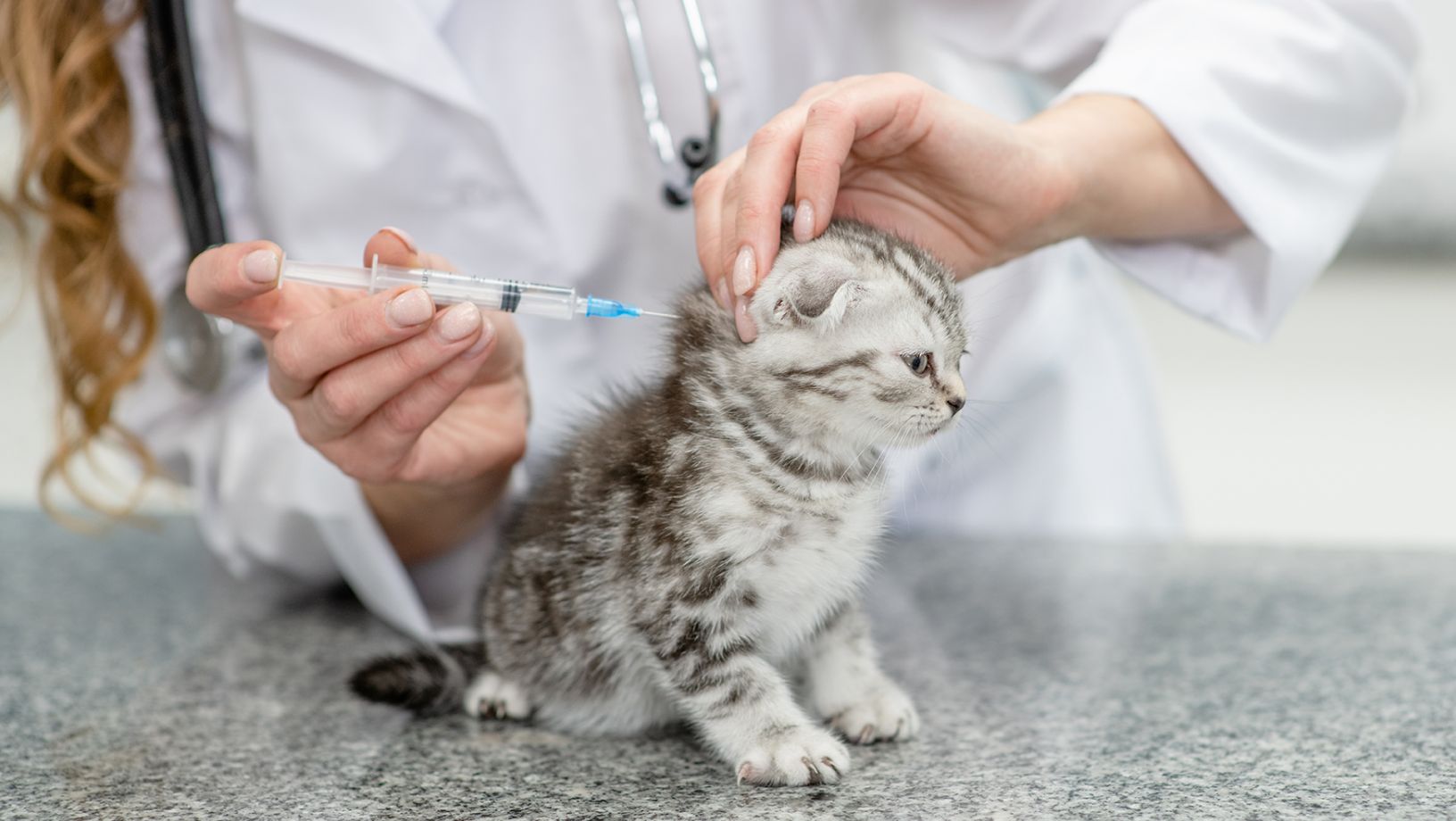
As a cat parent, you want to do everything possible to keep your kitty safe and healthy. Vaccinations are an essential part of that commitment. By protecting your pet against a variety of common but serious illnesses, cat vaccinations promote good health and help you avoid the cost and stress of treating difficult diseases.
When determining what type of cat vaccinations you should get, it’s always important to follow your veterinarian’s instructions – they are the ultimate source of information about what’s best for your kitty.
Why cat vaccinations are important.
Vaccinations help build your cat’s immunity against infectious diseases. Vaccines introduce a small, harmless amount of a disease into your cat’s system – each shot contains antigens that mimic disease-causing organisms without causing the actual disease. This allows your kitty’s immune system to build a memory of the pathogen and prepare defenses against it. If your cat is ever exposed to the actual disease, they’ll have a much higher chance of fighting off infection.
It generally takes about two weeks for a vaccine to become fully effective. During this period, your cat's immune system is building up protection against the disease.
Types of cat vaccinations
Cat vaccinations fall into two main categories: core vaccines and non-core vaccines.
Core vaccines
Core vaccines are essential for every cat, regardless of living environment and whether they go outdoors.
- Feline herpesvirus (FHV-1): This virus causes feline viral rhinotracheitis, a severe upper respiratory infection. Symptoms include sneezing, nasal discharge and eye inflammation. The vaccine helps prevent these symptoms and reduces the severity of the disease.
- Feline calicivirus (FCV): FCV is another common cause of respiratory infections in cats. It can cause ulcers in the mouth, sneezing and discharge from the eyes and nose. Vaccination helps protect against severe symptoms and complications of the virus.
- Feline panleukopenia (FPV): Also known as feline distemper, FPV is highly contagious and often fatal. It attacks the gastrointestinal tract, causing vomiting, diarrhea and severe dehydration. This cat vaccination is highly effective in preventing this deadly disease.
- Rabies: Rabies is a fatal virus that affects the nervous system and can be transmitted to humans through bites or scratches. It causes severe neurological symptoms and is always fatal once clinical signs appear. The rabies vaccine for cats is essential not only for the health of your cat but also for public safety.
Non-core vaccines
Your vet may recommend additional vaccines based on your cat’s lifestyle, environment and risk of exposure. If your cat was a rescue or lived in conditions that put them at a higher risk for coming into contact with certain germs, they might need more protection than other cats. If your cat is an indoor/outdoor cat, they’ll need additional vaccines to protect them from things they might encounter outside of your home.
- Feline leukemia virus (FeLV): FeLV is a virus that can lead to cancer and other severe illnesses in cats. It is spread through close contact, such as grooming and sharing food bowls. FeLV is recommended if you have multiple cats or if you let your cat go outside.
- Feline immunodeficiency virus (FIV): FIV weakens the immune system, making cats more susceptible to other infections. It’s primarily spread through bite wounds. The vaccine is recommended for cats at high risk of exposure, such as those that fight with other cats.
- Chlamydia felis: This bacterium causes conjunctivitis and respiratory issues in cats. Symptoms include eye discharge, sneezing and nasal congestion. The vaccine helps reduce the severity and spread of the infection.
- Bordetella bronchiseptica: Bordetella causes a respiratory disease that’s similar to kennel cough in dogs. It is highly contagious, especially in environments with multiple cats. Vaccination is recommended for cats in shelters or boarding facilities.
- Feline infectious peritonitis (FIP): FIP is caused by a mutation of the feline coronavirus. It is almost always fatal, leading to fluid accumulation in the abdomen or chest. The vaccine is recommended in specific situations where the risk of infection is high.
A typical cat vaccination schedule
When you take your cat to the vet for the first time, the veterinarian will recommend an ideal schedule for your cat, a typical schedule looks something like this:
- 6-8 weeks: Kitten vaccinations begin with an initial dose of FVRCP vaccine for feline viral rhinotracheitis, calicivirus and panleukopenia.
- 10-12 weeks: Kittens receive a second dose of FVRCP.
- 14-16 weeks: Kittens receive a third dose of FVRCP and the rabies vaccine.
- 16-20 weeks: The FeLV vaccine may be recommended for kittens at risk.
- Annually: Cats receive booster doses of core vaccines and FeLV (for at-risk cats).
- Every 1-3 years: Cat receive the rabies vaccine, depending on local regulations and vaccine type.
FAQs
What shots do cats need to be vaccinated?
Cats need core vaccines, including FVRCP (feline viral rhinotracheitis, calicivirus and panleukopenia) and rabies. Non-core vaccines such as FeLV, FIV, chlamydia and Bordetella are recommended based on the cat's risk factors.
Are there any risks associated with cat vaccinations?
Vaccinations are generally safe, but like any medical procedure, they can have side effects. Common side effects of cat shots include mild fever, lethargy and swelling at the injection site. These symptoms typically go away within a few days. Severe side effects are rare but can include autoimmune diseases and allergic reactions in cats.
How often do cats really need vaccinations?
A regular cat vaccination schedule is essential to keeping your cat healthy – and part of the commitment you make when you adopt a cat. Kittens need a series of vaccinations starting at six to eight weeks of age, with boosters every three to four weeks until they are 16 weeks old. Adult cats require annual boosters for some vaccines and every one to three years for others, depending on the vaccine type and the cat's health status.
What should I do if my cat misses a vaccination?
If your cat misses a scheduled vaccination, consult your veterinarian. They can advise on the best course of action to get your cat back on track with their vaccination schedule.
Do indoor cats need to be vaccinated?
Yes, even indoor cats should receive core vaccines. While they have a lower risk of exposure, they can still be exposed to diseases through windows, other pets or even their owners.
What is the 3-in-1 vaccine for cats?
The 3-in-1 vaccine for cats, also known as FVRCP, protects against three diseases: feline viral rhinotracheitis (herpesvirus), calicivirus and panleukopenia (feline distemper). It is a core vaccine recommended for all cats.
How much does a cat vaccination cost?
Cat vaccination costs vary depending on the clinic and location. On average, core vaccines can range from $20 to $50 per shot. Non-core vaccines may cost between $25 and $45 each. It's best to check with your veterinarian for specific pricing.
What are flea shots for cats?
Flea shots for cats, such as those containing lufenuron, help prevent flea infestations by inhibiting the development of flea eggs. These injections provide long-lasting protection, usually for about six months. They are particularly useful for cats that cannot tolerate topical flea and tick treatments.
Need other cat supplies while you’re shopping for your cat? PetSmart also carries cat food, cat litter, litter boxes, cat toys, cat beds & furniture, cat flea & tick treatments and much more. Explore PetSmart’s Cat Shop to find everything your cat needs, all in one place.
PetSmart offers convenient shopping with Curbside Pickup or in-store pickup. Need something today? We have select items available for Same-Day Delivery in most areas powered by DoorDash. For items you purchase frequently, PetSmart has Autoship that automatically delivers the items you want to your door as often as you’d like. Check the website to see which items are eligible.
Information in this article is not intended to diagnose, treat or cure your pet and is not a substitute for veterinary care provided by a licensed veterinarian. For any medical or health-related advice concerning the care and treatment of your pet, contact your veterinarian.
related articles